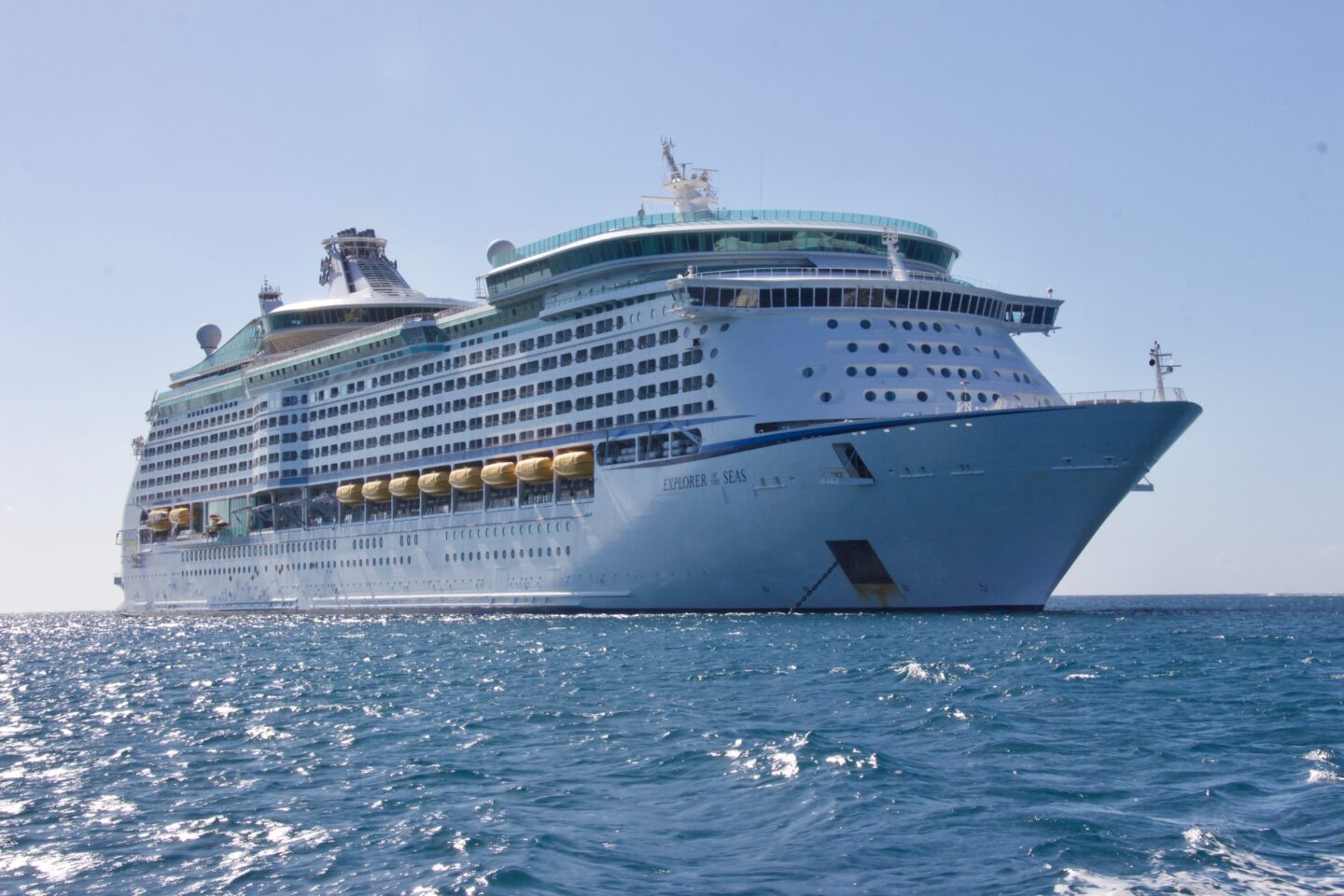
Cruising is an extremely popular way to travel for senior citizens. There are a lot of benefits ranging from not having to go from hotel to hotel when traveling to different cities, lots of entertainment, and personalized service. However, it can pose a lot of challenges, as well.
To make sure that you are able to get the most out of a cruise, it helps to be prepared. Thinking ahead and getting trip cancellation insurance, researching the different types of cruises, and knowing your limits will all help you enjoy peace of mind while aboard. In this article, we will cover a few things to keep in mind.
1 – Physical demands of the ship itself
The cruise ship itself presents challenges for elderly travelers, from navigating the vast expanse of a massive ship, to the strenuous boarding and disembarking process. And, when in port, a lack of elevators and accessible sidewalks can make it difficult to fully explore the city and participate in shore excursions.
However, with a little planning, these obstacles can be overcome. Before setting sail, elderly travelers should research both the ship and the ports to minimize physical difficulties. This may include bringing along a mobility aid, hiring a private tour guide, or even communicating specific needs and limitations to the cruise staff to ensure proper assistance during boarding and disembarking.
Some cruise lines even offer special assistance programs, such as wheelchair and scooter rentals, and transportation services. Consider booking a cabin near essential facilities, such as elevators and dining areas, and take care to choose shore excursions that align with your physical capabilities.
2 – Potential health issues
Cruising can present a range of health challenges for elderly travelers, particularly when it comes to motion sickness and its impact on balance. The constant movement of the ship can also aggravate existing conditions, like arthritis or back pain, making the trip uncomfortable. With limited access to medical facilities and specialized medical staff, individuals with complex medical needs may face additional concerns.
To mitigate these health risks, it is crucial for elderly travelers to seek the advice of their doctor before booking a cruise and to consider purchasing travel insurance.Researching the medical facilities and services available on the ship, staying hydrated, engaging in physical activity, and avoiding overeating can also go a long way in maintaining health and wellness while cruising.
If you are planning to take an excursion, it is important to understand your limits. If you have any physical ailments that could be made worse by heat, cold, or overexertion then it is important to take things easy and enjoy what the ship has to offer for those that need to take things slow.
3 – Limited accessibility in port cities
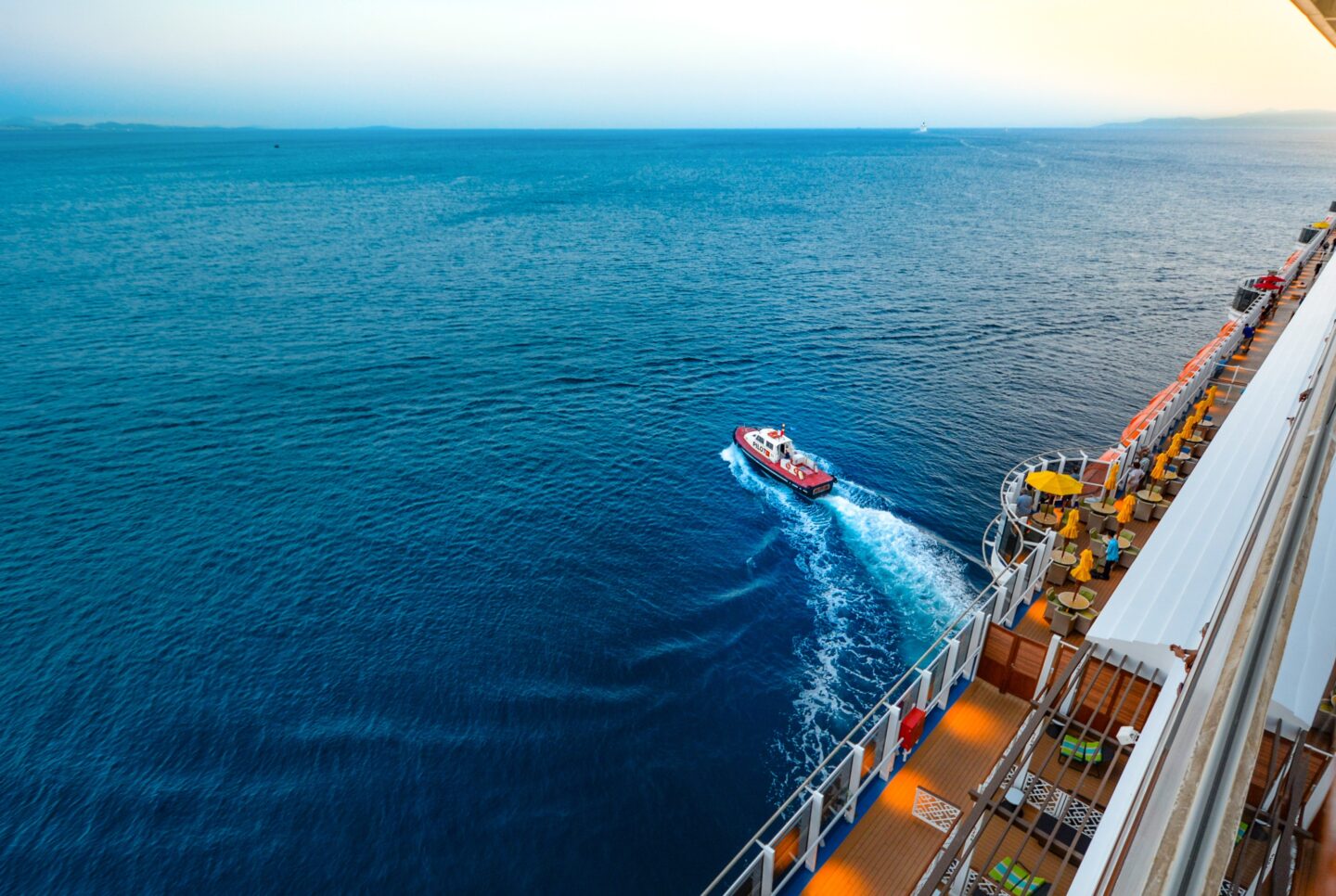
One of the best things about a cruise is going to sleep and waking up in a different city. For some people, the destination can pose some issues, however. For instance, many cruise ships operating in the Mediterranean visit old cities that are not ideal for those with mobility issues.
Although things are improving for people visiting these cities that rely on wheelchairs or other devices, it can still pose a lot of challenges. It’s very important to check with the ship’s itinerary to see what types of excursions are planned for a particular city. Luckily, most operators will make sure to have a special tour or excursion designed with elderly and disabled people in mind.
Rather than winging it by yourself in these destinations, it is a good idea to see if there is anything organized.That would allow you to enjoy the sites in a way that works with your limitations. Otherwise, you risk wasting a lot of time in the destination and add some risk of injury as well.
4 – Find the right cruise
For elderly travelers, finding the right cruise line and ship is key to a safe and comfortable vacation experience. Researching different cruise lines and ships to find one that caters to the needs of older passengers is a must. Features to look for include accessible cabins, on-board medical facilities, and staff trained in assisting elderly travelers.
It’s also important to pay attention to the physical layout of the ship and the availability of elevators to make navigation easier, as well as to review the itinerary and port cities, making sure that the destinations are accessible and suitable for elderly travelers’ needs and interests. Find the best cruises for your luxury trips through silversea cruises.
Conclusion
Taking vacations and traveling are not limited to the able bodied. The elderly and disabled can enjoy getting away from it all, as well. Cruising is a great way to do this as long as you plan ahead. If you have any doubts, talk to some cruise line operators and ask them lots of questions.
Thank you for reading.