
Keeping our homes warm and comfortable is a priority, especially during the colder months. However, traditional heating systems can be inefficient, resulting in high energy bills and unnecessary greenhouse gas emissions.
The good news is that advanced technologies and sustainable practices are transforming home heating and leading the way to a greener future. In this blog post, we’ll explore efficient heating solutions that can work for the modern home.
Embracing Smart Thermostat Technology
Putting in a smart thermostat is one of the easiest ways to make your home’s heating more efficient. Smart thermostats use WiFi and sensors to better control heating and cooling systems. They can set temperatures precisely when you are home or away, learning your habits over time.
Studies have shown smart thermostats can lower heating and cooling costs by an average of 10-12% in America. Besides saving money, they help conserve energy. Home automation systems combined with smart thermostats can save even more energy, up to 30% in a modern home.
Some brands make user-friendly smart thermostats. With flexible settings and easy-to-use phone apps, homeowners can control temperatures no matter where they are. Smart thermostats work with most regular heating systems or can connect to upgraded high-efficiency systems. Their advanced features help keep you comfortable while reducing wasted energy.
Customizable Heating for Optimal Efficiency
Beyond smart thermostats, custom flexible heaters give homeowners more control over temperatures in different areas of their homes. Solutions like in-floor radiant heating are very efficient with a design that directly warms living spaces.
Radiant floor heating systems move hot water through tubes under the floors. Studies show radiant floor heating can be 25-30% more efficient than forced-air HVAC systems. With even and steady warmth rising from the floor, radiant heating prevents hot and cold spots. It also reduces dust circulation that duct systems cause.
Homeowners can further customize temperatures using flexible heaters. These thin, lightweight heating panels can be installed almost anywhere. Custom flexible heaters allow precise temperature control and can reduce energy use by up to 30%. With smart thermostats, the whole system works smoothly.
Harnessing Renewable Energy Sources
As we move toward sustainable living, renewable energy sources are being used more for home heating. Solar power and geothermal energy can provide eco-friendly solutions that also lower costs over time. Here’s a visual representation of the cost differences between various heating system types:
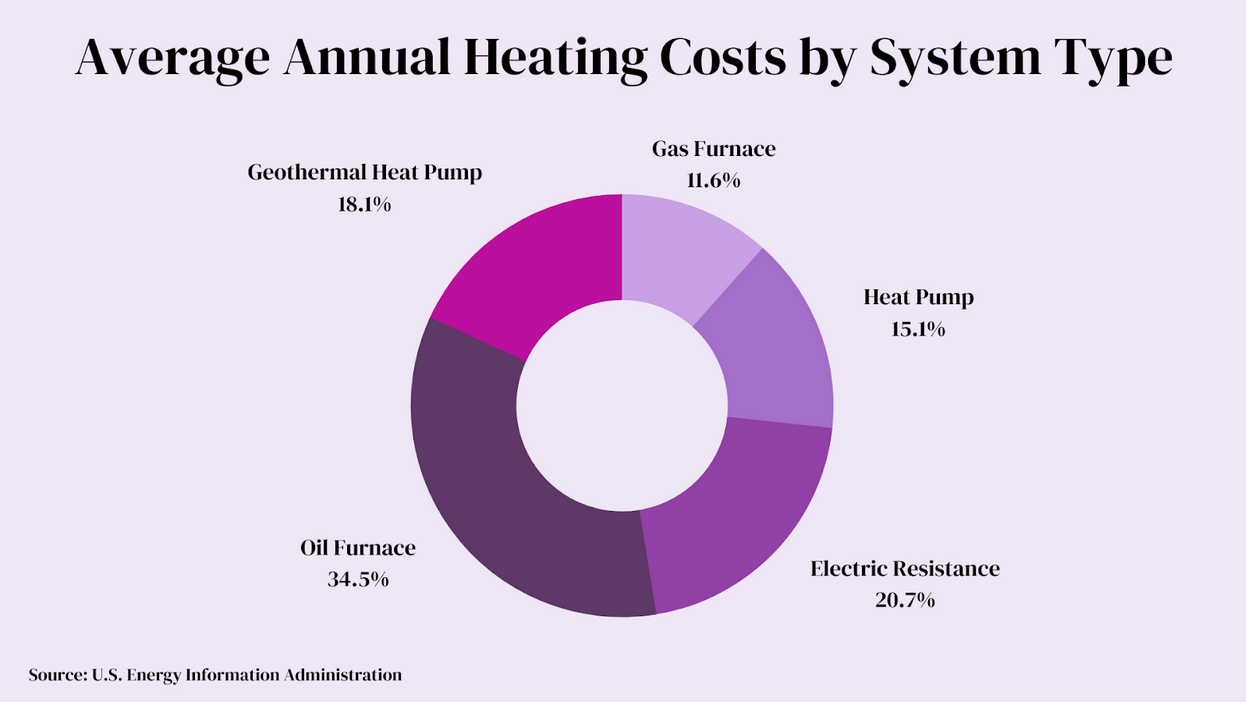
Data Source: U.S. Energy Information Administration
Modern solar heating systems use solar panels to absorb and convert the sun’s warmth into usable heat. Solar panels heat up a fluid that flows through the system, powering in-floor heating or hot water heaters in homes. In good conditions, solar power can provide all the heating a home needs.
Geothermal or ground source heating uses stable temperatures just below the earth’s surface. A geothermal heat pump moves fluid through underground pipes that absorb warmth from the ground. This warmth is then concentrated to provide heating. Geothermal systems are 3-4 times more efficient than regular heating and cooling systems, says the Environmental Protection Agency.
While geothermal and solar power systems cost more upfront, homeowners can save a lot on energy costs over time since they use less. Their environmental benefits are also big.
The Importance of Proper Insulation
To complement advanced heating systems and renewable energy sources, proper insulation is fundamental for energy efficiency. Insulation creates resistance to heat flow and helps retain interior warmth. It also makes heating and cooling systems more effective.
According to the U.S. Department of Energy, good insulation can lower home heating and cooling costs by 10-50% in the majority of homes. Older homes may benefit from blown-in wall insulation or a spray foam insulation upgrade. Modern insulation products like spray polyurethane foam have high R-values, meaning a greater ability to resist heat transfer. With R-values of around R-6 to R-7 per inch, spray foam insulation can fill gaps efficiently while creating an air seal.
Adequate insulation coupled with air sealing can improve home energy efficiency tremendously. Stopping air leaks prevents heated air from escaping and cold external air from entering the home. With good insulation, homeowners can experience a comfortable interior, reduce energy waste, and lower their carbon footprint.
Zoning for Personalized Comfort
An important benefit of today’s advanced heating systems is the ability to make different comfort zones. Zoning divides your home heating into separate areas with individual thermostats that can be controlled separately.
With forced-air systems, motorized dampers channel heated or cooled air only to chosen zones when someone wants it. Hydronic radiant heating systems allow even more precise control by adjusting the temperature in each zone through a manifold that regulates water flow.
Zoning allows customized comfort and convenience. Now every family member can pick their perfect temperature based on personal preference, lifestyle, and needs. Zoning can also save energy by avoiding over-heating or over-cooling unused spaces. Through an app, homeowners can monitor and change temperatures however they want.

Tips for Efficiency and Smooth Operation
To sustain optimal performance, it is important to properly maintain your home heating solutions. Here are some key efficiency and maintenance tips:
- Have your heating system tuned up before winter for peak efficiency.
- Check air filters monthly and change them per manufacturer instructions.
- Vacuum radiators, vents, and baseboard heaters to remove dust buildup.
- Inspect radiator pipes and valves for leaks and repair accordingly.
- For radiant floor heating, keep floor areas clutter-free and avoid piercing tubing.
- Caulk and weatherstrip windows, doors, and openings to prevent air leaks.
- Have insulation levels assessed and upgraded if necessary.
- Monitor smart thermostats to identify and adjust heating patterns.
- Clean debris around outdoor heat pumps and ensure proper drainage.
- Check that ventilation systems are clear.
Frequently Asked Questions
- What are the environmental benefits of sustainable heating solutions?
Renewable energy sources like solar and geothermal reduce reliance on fossil fuels for home heating. This lowers greenhouse gas emissions and fights climate change. Solar power and geothermal heat pumps can reduce a home’s carbon footprint by up to 50%.
- How much do insulation upgrades typically cost?
The cost depends on the type of insulation and coverage area needed. Attic insulation averages $1 to $1.50 per square foot. Wall insulation runs $1 to $3 per square foot. High-performance spray foam insulation costs $3 to $7 per square foot installed. Tax credits, rebates, and long-term savings on energy bills offset costs.
- Should I repair or replace my old heating equipment?
Have a professional assess the condition of your heating system. Upgrading to an ENERGY STAR model or high-efficiency system often makes sense for old, inefficient heating. But a simple tune-up and maintenance can extend the lifespan of equipment in decent shape. Compare repair costs to projected energy savings from an upgraded system.
The Future is Efficient
Home heating has changed a lot. New technologies like smart thermostats, radiant floor heating, and customizable zone controls let homeowners be more comfortable and save energy. When combined with sustainable energy sources and good insulation, modern homes can be cozy and eco-friendly.
As we try to lower our environmental impact, these efficient heating and renewable energies lead to a greener future. Homeowners who invest in long-term efficiency gain from using less energy and saving money. With practical upgrades, we can all take part in more sustainable living, one house at a time.
Thank you for reading.







