
Navigating the complex world of personal injury lawsuits can often feel overwhelming. These legal battles typically arise when someone is harmed due to another’s negligence, leading to a quest for compensation. Understanding the court process in these cases is crucial, as it empowers individuals to make informed decisions.
Learning about the court procedure can help, but it is still not a replacement for a lawyer. It is important to work with reputed law firms, such as Nicolet Law Accident & Injury Lawyers, who can help you obtain fair compensation.
This article aims to educate people on what happens in court during a personal injury lawsuit, offering clear insights into each stage of the court process.
Initiating the Legal Action
Starting a personal injury lawsuit is a crucial step toward seeking justice. It begins with filing a complaint, a document outlining the injury, and alleging how the defendant’s actions caused harm.
This complaint must be accompanied by crucial information, such as evidence of injury, medical reports, and any relevant witness statements. These documents form the foundation of the case, setting the stage for what follows in the courtroom.
The Discovery Stage
The discovery stage is where both sides gather crucial information. It’s a meticulous process involving exchanging documents, such as medical records and accident reports, and may include depositions, where witnesses give sworn testimonies.
This stage is vital for uncovering evidence like photographic proof of injuries, eyewitness accounts, and expert opinions. Such evidence is instrumental in painting a clear picture of the incident and shaping the direction of the lawsuit.
Motions Before the Trial
Before the trial commences, both parties may file pre-trial motions, which are requests for the court to make certain decisions. These can range from motions to dismiss the case for legal deficiencies to motions for summary judgment, where a party argues there’s no need for a trial as the facts are undisputed.
These motions are pivotal as they can significantly alter the lawsuit’s course, potentially even resolving some issues before the trial begins.
Negotiating a Settlement
Settlement negotiations are a common and critical phase in personal injury lawsuits. These discussions offer a chance to resolve the case without a full trial. Factors influencing whether to settle or proceed to trial include:
- The strength of the evidence: Stronger evidence may encourage a settlement.
- Risk tolerance: Weighing the certainty of a payment against the unpredictability of a trial verdict.
- Financial considerations: Assessing the costs of continued litigation versus immediate settlement.
- Emotional and physical toll: Considering the personal impact of a lengthy trial process.
The Trial Process
The trial phase is a structured process where the legal dispute is thoroughly examined and resolved. Here’s a step-by-step guide:
Opening Statements
- Plaintiff’s presentation: Outlines their case and evidence to prove the defendant’s liability.
- Defendant’s rebuttal: Provides their perspective and defense against the allegations.
Presenting Evidence
- Plaintiff’s evidence: Includes witness testimonies, medical records, and expert opinions.
- Defendant’s counter-evidence: Offers their proof to dispute the plaintiff’s claims.
Closing Arguments
- Summarization: Both sides summarize their cases, emphasizing key points to persuade the jury.
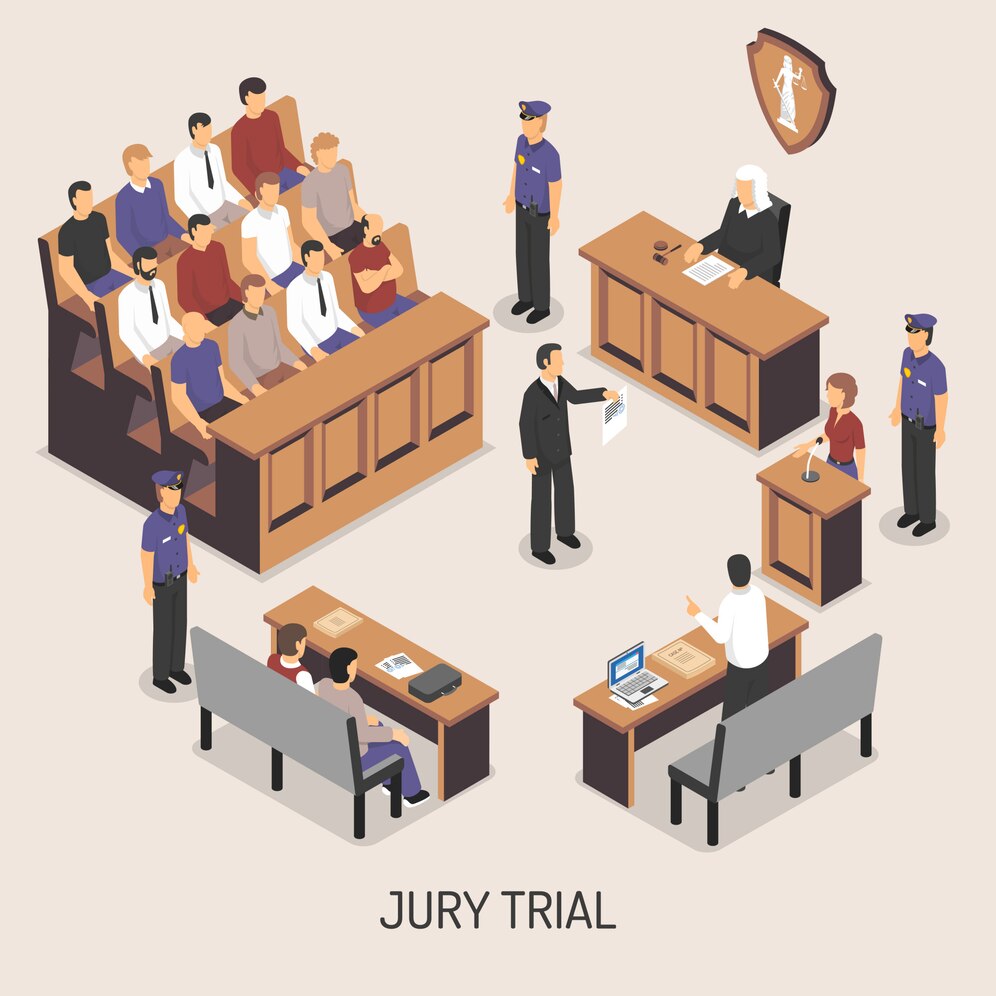
Roles in the Trial
- Judge: Oversees the trial, ensuring legal procedures are followed, and sometimes decides the case if there’s no jury.
- Jury: The jury deliberates on the evidence presented, ultimately determining the verdict in most personal injury cases.
- Plaintiff: The injured party is responsible for proving their case against the defendant.
- Defendant: Allegedly responsible for the injury, tasked with defending against the plaintiff’s claims.
This structured approach ensures a fair and comprehensive examination of all aspects of the case.
Judgment and Potential Appeals
After the trial concludes, the verdict is handed down, determining whether the defendant is liable for the plaintiff’s injuries and the amount of compensation, if any. Understanding the ruling and its implications is vital for both parties involved.
If either side is dissatisfied with the outcome, there’s the option to appeal. The appeals process involves presenting arguments to a higher court and challenging the trial court’s decision based on legal errors or misinterpretations of the law. It’s a legal avenue that allows for a second evaluation of the case.
Final Thoughts
In a personal injury lawsuit, understanding the process is paramount. We’ve explored the key stages, from initiation to potential appeals, shedding light on the intricate journey through the legal system. Navigating this terrain may seem daunting, but with the proper guidance and knowledge, individuals can protect their rights and seek the justice they deserve.
Thank you for reading.







