The article is developed in partnership with BetterHelp.
There are many more ways to conduct psychotherapy than sitting on a chair (or lying on a couch) in the same room with a therapist while you get peppered with questions about your childhood. While this brand of therapy certainly has its place among therapeutic modalities, many more types of therapy, including free online therapy, are available for your unique needs and goals. One of these, which might suit you quite well, is art therapy.
Creating art can give us a profound sense of accomplishment. Scientific research has also shown that creative expression may help our bodies decrease the amount of cortisol in our systems, which can lower our stress levels. Creatively expressing ourselves can tap into our subconscious minds and communicate ideas or feelings that might be hard to put into words.
For these reasons and more, art therapy can be an effective way to confront various mental health conditions and manage challenging symptoms. Art produced in the context of therapy is not meant to be judged by critics. The more insightful part of art therapy often lies in the creative process and discussions that arise during a session.
Keep reading for a rough walk-through of a typical art therapy session. To learn more about art therapy and how to get started, peruse your online therapy options through BetterHelp.
The First Appointment
During your first art therapy appointment, you may not produce any art. The initial session with a therapist, regardless of the type of therapy, usually consists of information gathering. You will probably communicate your therapy goals to your therapist and divulge important background details about your life. One of the primary goals of the first few sessions is to ensure that the client and therapist can have a positive therapeutic relationship.
Choosing Your Medium
As you and your therapist become acquainted, they may start zeroing in on some topics, emotions, or circumstances relevant to your choosing to partake in art therapy. Based on this information and how your therapist would like to proceed, you might create the art in the office during your sessions or make something on your own time and bring the finished product to your therapist for analysis and discussion.
Your therapist should provide the materials if you create the art during your session. You might be given free rein to choose your materials (paintbrushes, colored pencils, markers, or clay, to give a few examples) or given suggestions by your therapist.
Accordingly, your therapist might give you a prompt to inspire your work. A prompt might be something like anger, insecurity, hopelessness, or another challenging feeling you encounter. There might be other times when something is on your mind, and you want to address that in your next art therapy session.
Creating Your Art
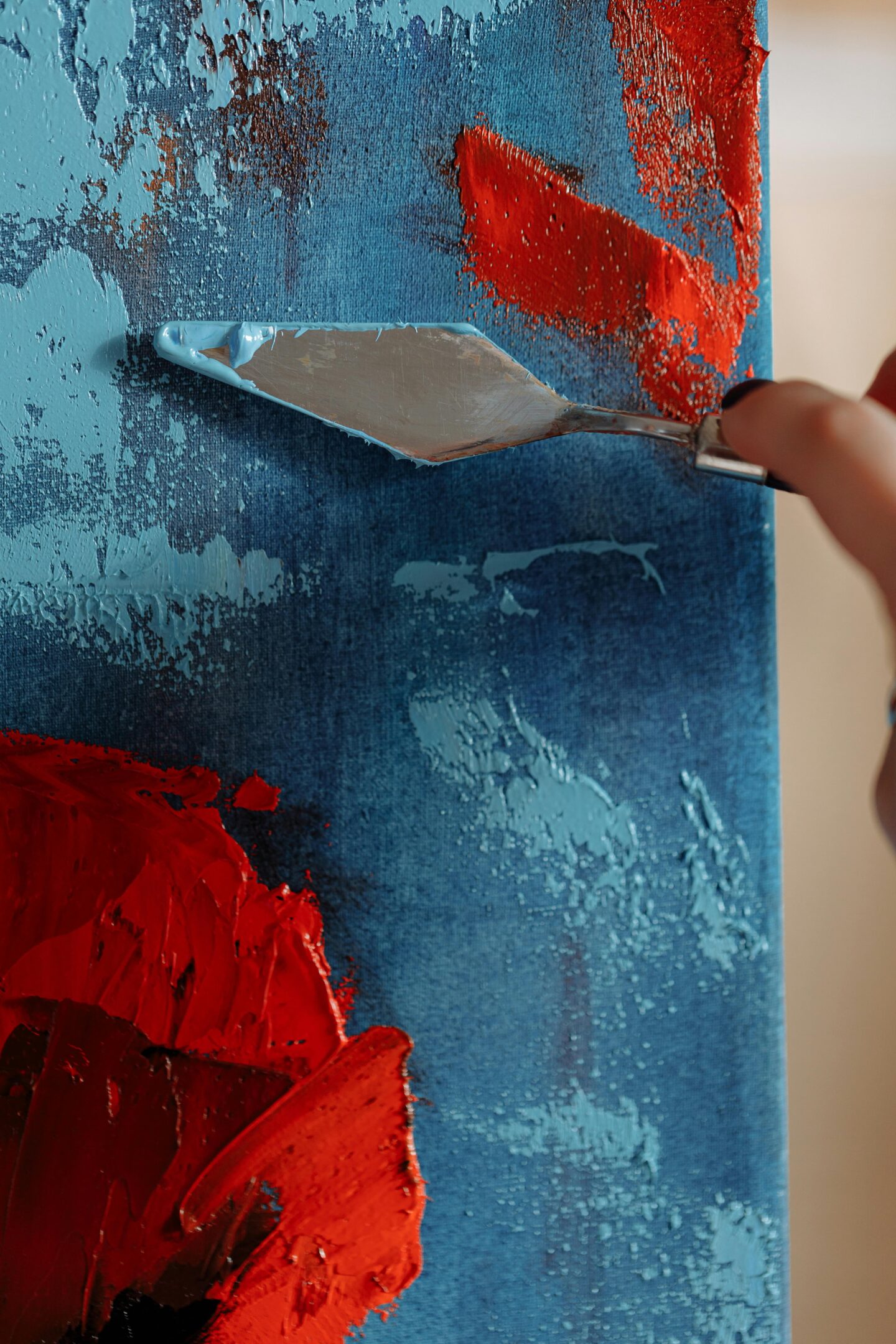
If you create art during your session, your therapist will primarily observe the process without speaking very much. You should feel as unrestrained as possible within the bounds of practicality while you create. Things about your art you might feel are insignificant may be of great interest to your therapist and a key discussion point once the work is complete.
Analysis And Discussion
Once you’ve completed the piece of art to your satisfaction, your therapist will likely spend some time discussing it. This discussion allows your therapist to bring up any noteworthy observations they made while you were creating. Again, critiquing the art should be the last thing any art therapist does.
Absent anything specific your therapist wants to discuss, they will probably ask about the general feelings and emotions you experienced while creating. They might inquire about specific memories or people you thought of or ask whether you felt differently after the session than before.
After discussing the artwork, your therapist might ask you to take it home or store it somewhere safe and private. Future sessions might involve discussing past works and how they compare to similar works.
Thank you for reading.