Installing a new air conditioning system is a significant investment that can greatly enhance the comfort and energy efficiency of your home or office. Today, there practically isn’t a household that hasn’t installed an air conditioning system, especially in the U.S. According to findings, in forty U.S. States, 80% of the population have an AC installed.
Installing an AC system is a major investment that, if maintained well, could last for a very long time. This article discusses the basics of installing a new heating and cooling system.
Finding Reliable AC Services
Before diving into the installation process, it’s essential to find reputable and reliable providers of AC services. By doing so, you can rest assured the people you hire for the job are professionals, have extensive experience in the field, and can vouch for their work.
From paying attention to licensing and certifications to understanding the estimates, there are quite a few aspects to consider before installing an AC. When searching for reliable AC service Austin, conduct thorough research on local AC installation companies by consulting customer reviews, ratings, and feedback to gauge their reputation and reliability. Also look out for recommendations from friends, family, or neighbors who recently installed new AC systems themselves.
Site Inspection and Assessment
Before any installation begins, an HVAC professional should conduct an initial site assessment of your home to inspect its layout, size, and cooling requirements in order to select an AC system that best fulfills these requirements.
Selecting an AC System
Following their site inspection, your technician will advise the best system to suit your home based on factors including size of space, number of rooms requiring cooling, energy efficiency goals and budget restrictions. They may provide options such as central air conditioning systems, mini-split systems or window units as possible solutions.
Sizing and Load Calculation
Sizing your AC system correctly for efficient cooling is of vital importance. Your technician will conduct load calculations to ascertain what cooling capacity your home requires. An oversized or undersized system could result in energy inefficiencies, inadequate cooling, wear-and-tear issues on its components as well as increased wear on overall system components.
Duct Evaluation
For properties equipped with central AC systems, technicians will evaluate your existing ductwork to check for leaks, blockages or insulation problems that might impact its performance or efficiency. In case any deficiencies exist, repairs or modifications may be advised upon.
Installation Day Prep
On your appointed installation date, our technician will come prepared with all necessary equipment, tools, and materials. They will take measures to protect your home such as placing drop cloths to minimize disruption during their visit.
Removing Existing Equipment
Should there already be an AC system installed, a technician must first remove it before beginning installation of their new AC unit. This may involve disengaging electrical connections or taking steps such as dismantling and disposing of old units.
Installing the New AC System
A technician from AC Installation Services Buford will ensure the new air conditioning system is installed according to manufacturer specs and industry best practices, such as positioning and securing both indoor and outdoor units, connecting refrigerant lines (if applicable), installing ductwork (if relevant) as necessary, and verifying proper electrical connections.
Testing and Adjustments
Once installation has been completed, the technician will conduct extensive tests on the system to verify its proper functionality. These include checking for refrigerant leaks, airflow verification, and temperature differential measurements. Additionally, there would be tests on calibrating the unit’s thermostat and making any necessary changes that would enhance system efficiency and maximize its potential performance.
Instruction and Maintenance Guidelines
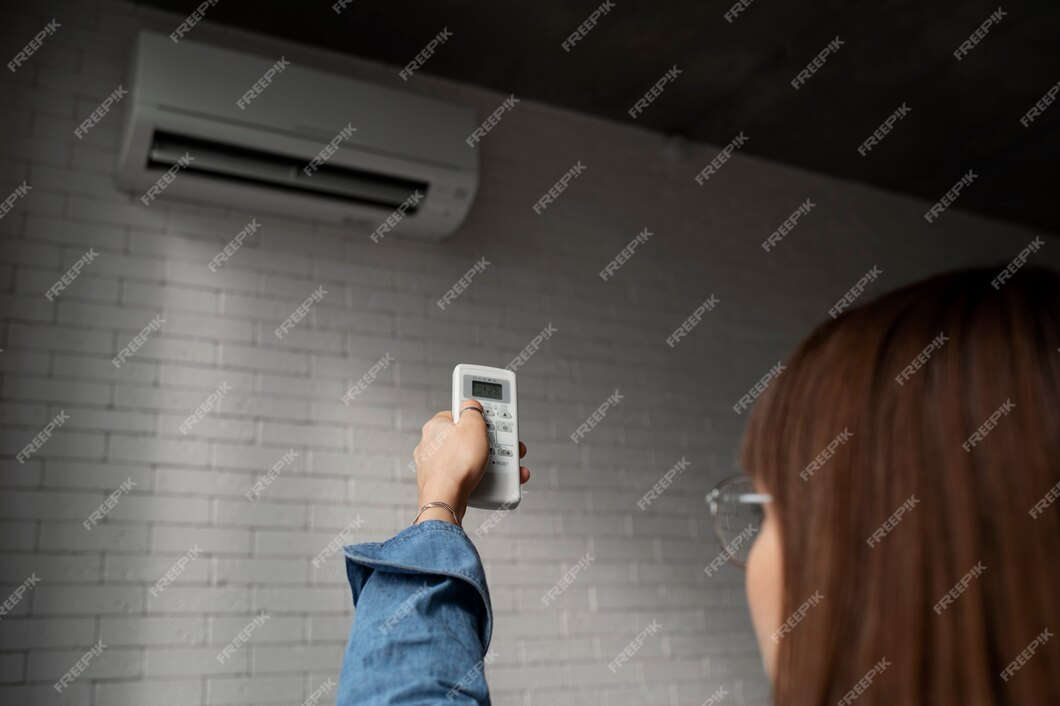
Following installation and testing, the technicians will give instructions for using and maintaining your new air conditioner system. They’ll explain how to program the thermostat, make settings adjustments and perform basic maintenance tasks such as changing filters regularly or doing some thorough cleaning. They may also offer maintenance guidelines and schedule future service appointments as necessary.
In Conclusion
Installation of an air conditioning system is a significant undertaking for homeowners seeking greater comfort and energy efficiency, but with proper knowledge of the installation process and working with reliable service providers they can achieve success in its application.
From initial site inspection and system selection through testing and maintenance guidelines; each step in this journey matters and when professionally done can yield improved indoor comfort as well as reduced energy bills. Furthermore, skilled technicians should also be hired for safe installation to guarantee long-term benefits in living spaces.
Thank you for reading.