
Are you ready to embark on a journey to transform your old furniture into cherished treasures? With a little creativity and elbow grease, you can revitalize your home décor without breaking the bank. In this DIY guide, we’ll explore the art of furniture restoration, offering valuable tips and techniques to breathe new life into your beloved pieces.
What Makes Old Furniture Valuable?
Old furniture holds a unique charm and character that modern pieces often lack. From intricate craftsmanship to timeless design, vintage furniture pieces tell stories of bygone eras, adding depth and personality to any space.
Why Is Some Old Furniture Worth Restoring?
While some old furniture may appear worn or outdated, it often possesses inherent value that transcends its outward appearance. Whether it’s a family heirloom or a rare find with historical significance, restoring old furniture allows you to preserve its legacy and enhance its beauty for generations to come.
How to Know if It’s Worth Restoring Old Furniture?
Before diving into a restoration project, it’s essential to assess the condition and potential of the piece. Consider factors such as structural integrity, sentimental value, and feasibility of restoration. If the piece holds sentimental or historical significance, or if it possesses quality craftsmanship that is worth preserving, it’s likely worth restoring.
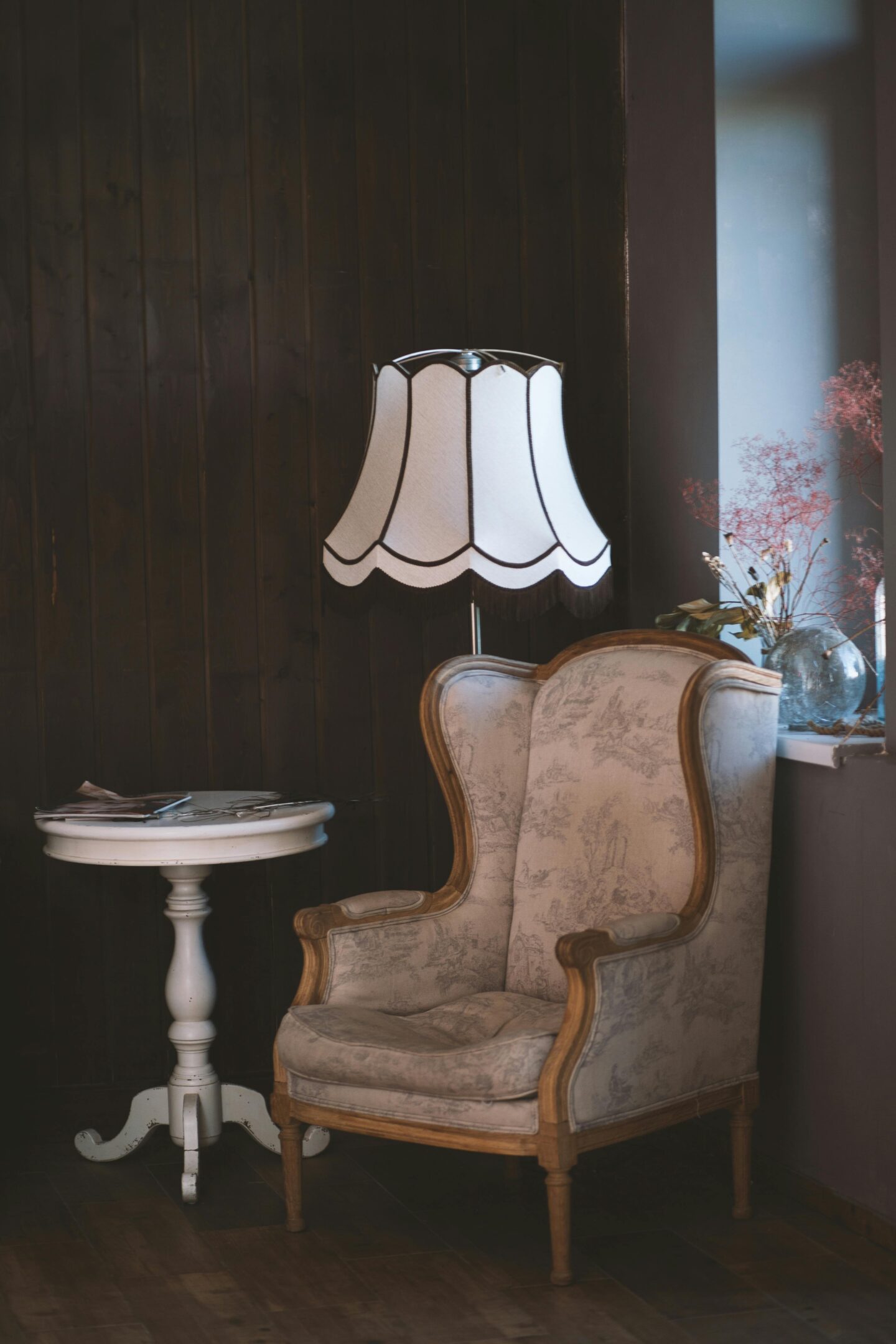
How to Inspect Old Furniture That Needs Revamping?
Begin by thoroughly inspecting the furniture for any signs of damage, such as cracks, scratches, or loose joints. Assess the overall condition of the piece, paying attention to areas that may require special attention during the restoration process. Take note of any upholstery or cushioning that may need to be replaced or refreshed.
Furniture Restoration Materials to Make Your Old Furniture Look New
One of the key materials essential for furniture restoration is foam, particularly for upholstery projects. Upholstery foam provides cushioning and support for seating and can be easily customized to fit the dimensions of your furniture piece. Whether you’re reviving a tired sofa or refurbishing a vintage armchair, foam cushions can breathe new life into old furniture with minimal effort and cost.
3 Steps to Restoring Old Furniture:
- Preparation: Begin by thoroughly cleaning the furniture surface to remove dirt, grime, and old finishes. Sand the surface lightly to smooth out imperfections and create a clean canvas for refinishing.
- Repair: Address any structural issues or damage, such as loose joints or missing hardware. Use wood filler to fill in cracks or holes, and tighten screws or replace hardware as needed.
- Refinish: Apply a fresh coat of paint, stain, or varnish to enhance the appearance of the furniture. Consider experimenting with different finishes or techniques to achieve the desired look, whether it’s a distressed vintage vibe or a sleek modern aesthetic.
Restoring old furniture is a rewarding endeavour that allows you to breathe new life into beloved pieces while adding character and charm to your home. By following these simple steps and utilizing materials like foam for upholstery, you can transform outdated furniture into timeless treasures that will be cherished for years to come.
Thank you for reading.







