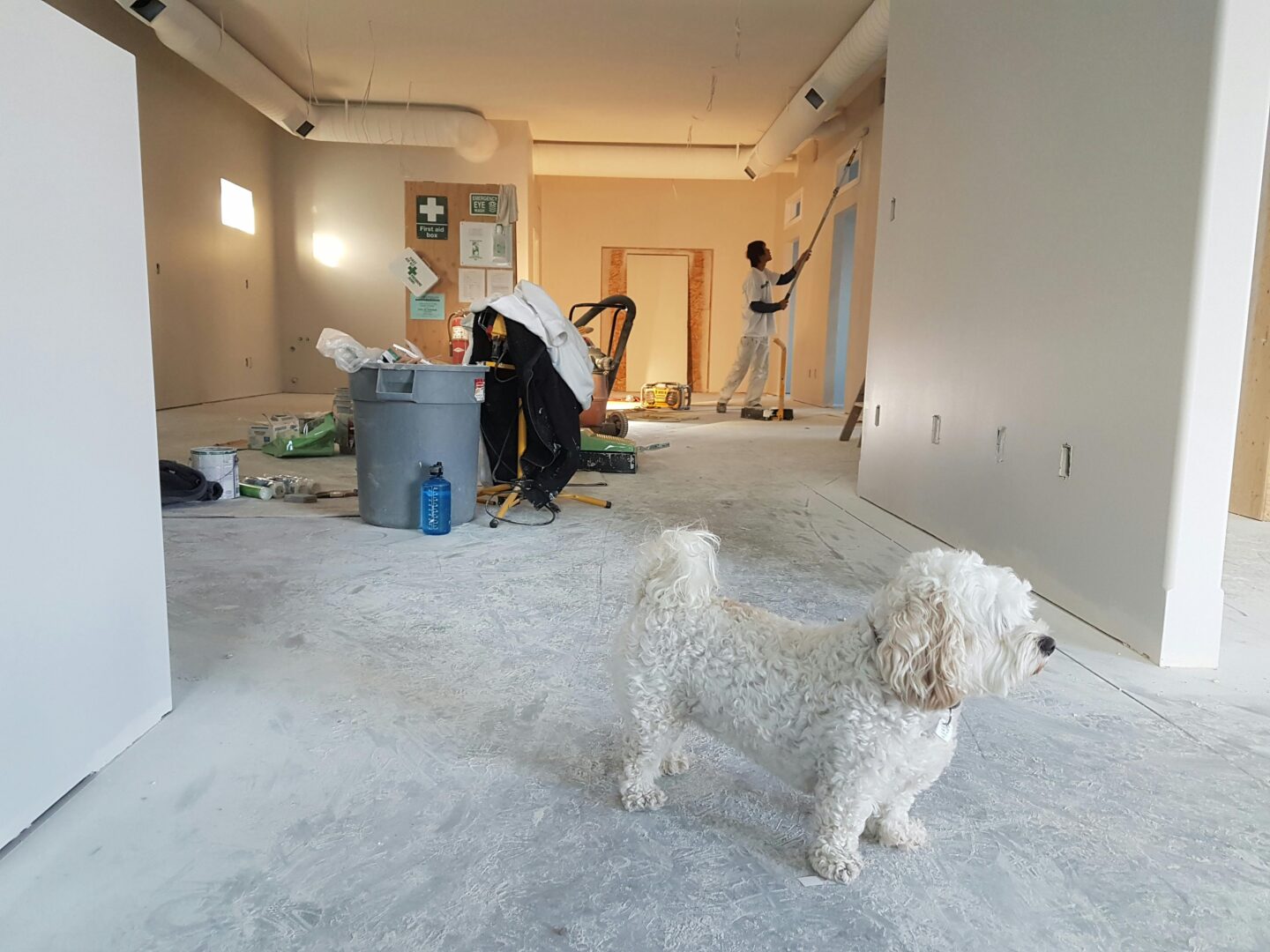
Many homeowners find home renovations exciting, as they can rejuvenate familiar spaces and increase property value. Despite challenges like rising inflation affecting spending, statistics show global homeowners are still investing heavily in upgrades. This commitment highlights the importance of creating functional and attractive living spaces.
Although transforming a home is tempting, it comes with challenges like exceeding budgets and delays. By recognizing these issues early on, homeowners can manage renovations better, ensuring they enhance both their lifestyle and home value.
Eliminate Clutter Before Starting
Before you start renovating your home, it’s crucial to declutter. Getting rid of unnecessary items not only simplifies the workspace but also protects your belongings from dust and damage. This initial cleanup can speed up the renovation process significantly because workers won’t have as many obstacles to deal with.
A tidy environment also makes the job site safer by reducing the risk of accidents like tripping over items scattered around the house. Moving furniture and personal items to a storage facility is a smart move. It clears up a lot of space for contractors and keeps your items safe. Moreover, a decluttered space allows you and your team to better visualize the project, resulting in more effective planning and execution. By temporarily moving out items, you can also experiment with different layouts or designs, which might be difficult in a cluttered space.
Set a Realistic Budget
It’s important to set a practical budget to prevent overspending during home renovations. You need to calculate a budget that includes everything—the materials, labor, and unexpected costs. Planning thoroughly helps you avoid surprises that might otherwise interrupt your project.
In addition, a well-planned budget helps you to identify which tasks are crucial and which ones can be flexible. It is advisable to allocate an additional 10-20% of your budget for any unforeseen costs that may arise. By smartly managing your expenses, you guarantee all parts of the work get finished while maintaining the good quality or look of your house.
Choose the Right Contractor
Choosing the right contractor is essential to ensure your renovation project is successful. Make sure the contractor you hire holds a current license, has strong references, and can show examples of their past work. Checking these details is important to gauge their skill and dependability. While it might be appealing to go with the cheapest offer, this can often result in poor-quality work.
Taking time to find a contractor whose abilities and professionalism align with your needs can greatly improve your renovation’s outcome. A good contractor will be clear about their methods and keep you updated throughout the process, avoiding any unexpected issues. They will also swiftly address any problems that come up, reducing inconvenience and stress for you.
Avoid Over-Customization
Making your home unique is important, but be careful not to overdo it as this could potentially make selling more difficult in the future. Deeply specific decisions might not appeal to others when the time comes for you to move on.
It’s about finding the right balance—opt for styles that showcase your individuality but could also catch the eye of many. By doing this, you’ll enjoy your home while keeping it a smart financial choice.
Timing Is Everything
The right timing for your renovation can make things go more smoothly and save you money. Some renovations are best done at certain times of the year. For example, late spring or summer is great for painting and exterior work because of the weather.
Moreover, contractors and suppliers might give discounts during their less busy times. Planning your project carefully can avoid delays and make sure the work is done in the best possible weather conditions for each task.
Understand Permit Requirements
Ensure you grasp the permit rules. Some homeowners forget to get the needed permits before they start renovating. This mistake could cause legal issues and big delays, even making you redo work you thought was finished.
Learn about your area’s building codes and permit rules. Make sure your contractor gets all the necessary permits before they begin your project. This careful approach guarantees your renovations meet local laws and standards, protecting your investment.

Final Thoughts
Ultimately, approaching home renovation with thorough preparation and patience can turn what might seem overwhelming into a rewarding experience. Simplify your space, set a practical budget, select a reputable contractor, and grasp the legal aspects to smoothly manage the renovation process. Success hinges on meticulous planning and adaptability. Enjoy the transformation journey as you create your ideal home.
Thank you for reading.







