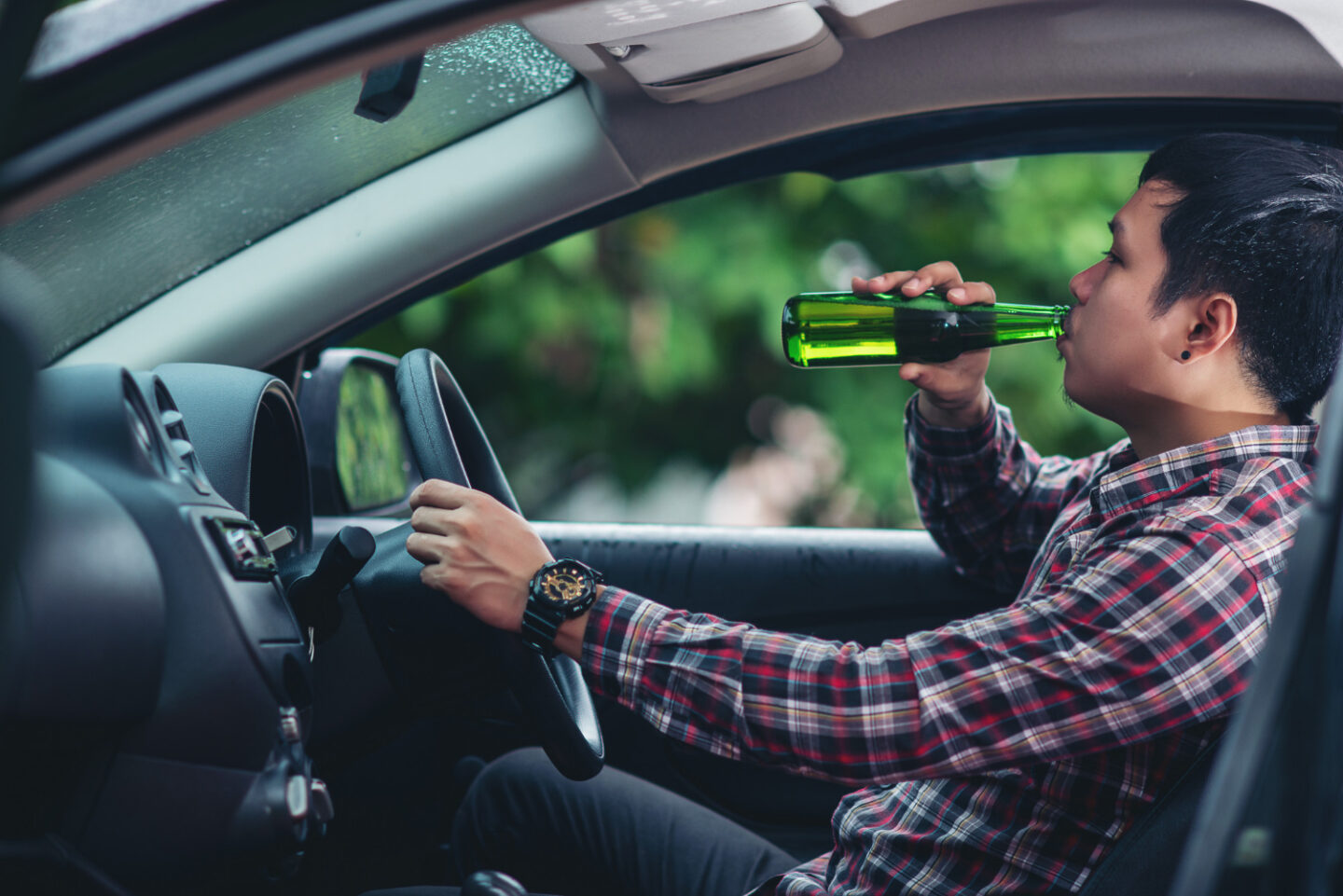
Driving while intoxicated (DUI) is a grave infraction that puts everyone on the road in danger. Drunk driving is still a major problem, in spite of strict laws and restrictions. They result in numerous accidents and fatalities every year.
It’s critical to contact a drunk driving accident attorney if you or a loved one has been in one of these situations. This helps in pursuing justice while having your rights protected.
Being aware of the warning signs of an intoxicated driver can help you stay safe and report reckless driving to the concerned authorities. Here’s how to recognize the warning indicators of a drunk driver.
Erratic Lane Changes
Unpredictable lane changes are one of the most prevalent indicators of a drunk driver. This type of conduct involves changing lanes abruptly, drifting into adjacent lanes, and making excessive lane corrections. Drunk drivers frequently have poor judgment and motor abilities, which makes it difficult for them to stay in their lane or keep a steady course.
Speed Variations
Inconsistent speeds are usually associated with driving while intoxicated. Drunk drivers could speed up and then abruptly slow down for no apparent reason. This unpredictable behavior may indicate decreased cognitive function because drunk drivers have trouble accurately judging distance and speed.
Slow Response to Traffic Signs
Reactions to traffic lights may be slow for impaired drivers. They may stop at stop signs or red lights much too late, or they may stay still for a long time after the light turns green. This slow reaction time raises the possibility of crashes and traffic disruptions.
Driving without Headlights at Night
It is obvious that poor judgment is involved while driving at night without headlights. Most sober drivers understand that using headlights after dark improves visibility and increases safety. However, if a drunk driver forgets to switch on their headlights, they put themselves and other drivers on the road at serious risk.
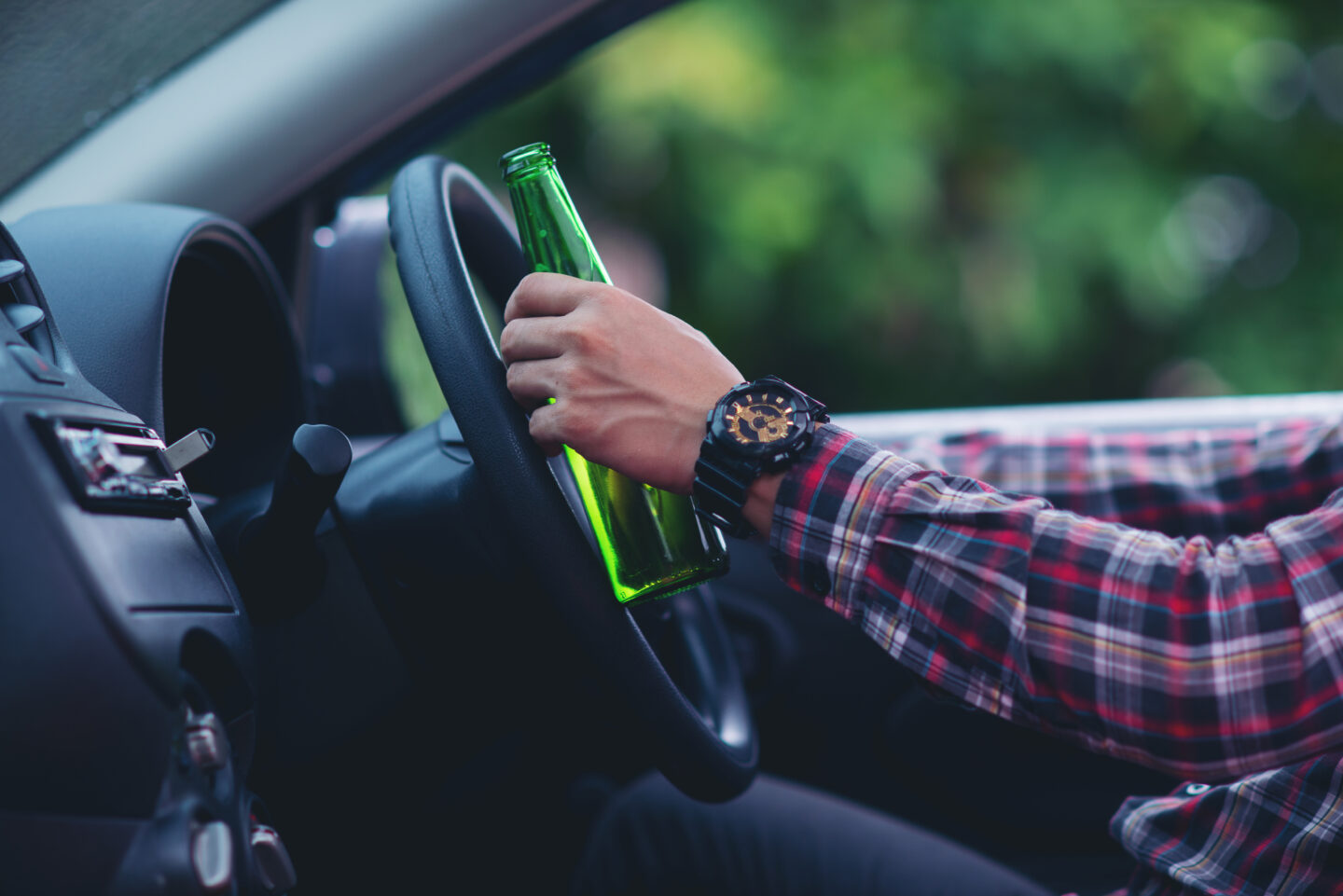
Close Calls and Near Misses
Drunk drivers frequently have near misses with oncoming traffic, pedestrians, or immovable objects. They might regularly swerve to avoid collisions or miscalculate how far other cars are, which could result in close encounters. These occurrences point to a loss of spatial awareness and coordination, which are typical signs of alcohol impairment.
Tailgating
Drunk drivers have been known to tailgate or follow other cars too closely. There is a greater chance of rear-end incidents because of their poor judgment and delayed reaction times, which can make it difficult for them to maintain a safe following distance.
Conclusion
Accidents and fatalities can be avoided by exercising caution and recognizing the warning signs of drunk drivers. Among other things, ensure you take note of the drunk driver’s license plate number, keep a safe driving distance from the suspected drunk driver, and do not confront them.
If you or someone you know has been impacted by an incident involving drunk driving, remember to get in touch with a public intoxication defense attorney to discuss your legal options and ensure your rights are protected.
Thank you for reading.







