Any business organization should always enjoy an energy-efficient and comfortable working environment, whether small or big. Traditional central systems for commercial air conditioning that most office buildings are equipped with have some serious shortcomings regarding the diverse commercial spaces of today. Split AC units were introduced on the market to solve these problems; they also come with several benefits. Let’s delve deeper into why the trend of picking up split air conditioner units is growing so quickly for commercial applications.
Split AC Units: A Perfect Fit for Modern Commercial Spaces
Unlike central air conditioning systems, which are designed to cool the entire building via a series of ducts, split AC units are designed to target specific zones. This eliminates all energy wasted on cooling areas that don’t need it, which can add up to a considerable amount. For example, take a large office building with meeting rooms that have occasional use. Using a central AC system, the building is constantly cooled, whether or not the rooms are in use. With split units, temperature control can be independent for each zone, hence providing significant savings on energy usage and utility costs.
Easy to Install: Less Inconvenience, More Freedom
Traditional central air conditioning often involves installing heavy ductwork, which interrupts work being done at the premises. A split AC unit, on the other hand, does not require an intricate duct system. That matters for compliance as well as convenience, because every duct crossing a fire rated wall or floor needs a fire damper and certified fire stopping around the opening, and each one becomes a point that has to be surveyed and maintained. Typically, these only require the connection of an outdoor condenser unit with refrigerant lines and condensate drains to strategically located indoor air handling units. This simple AC installation process means a lower level of disruption, permitting a faster implementation with less impact on daily operations.
Application Flexibility and Design Options
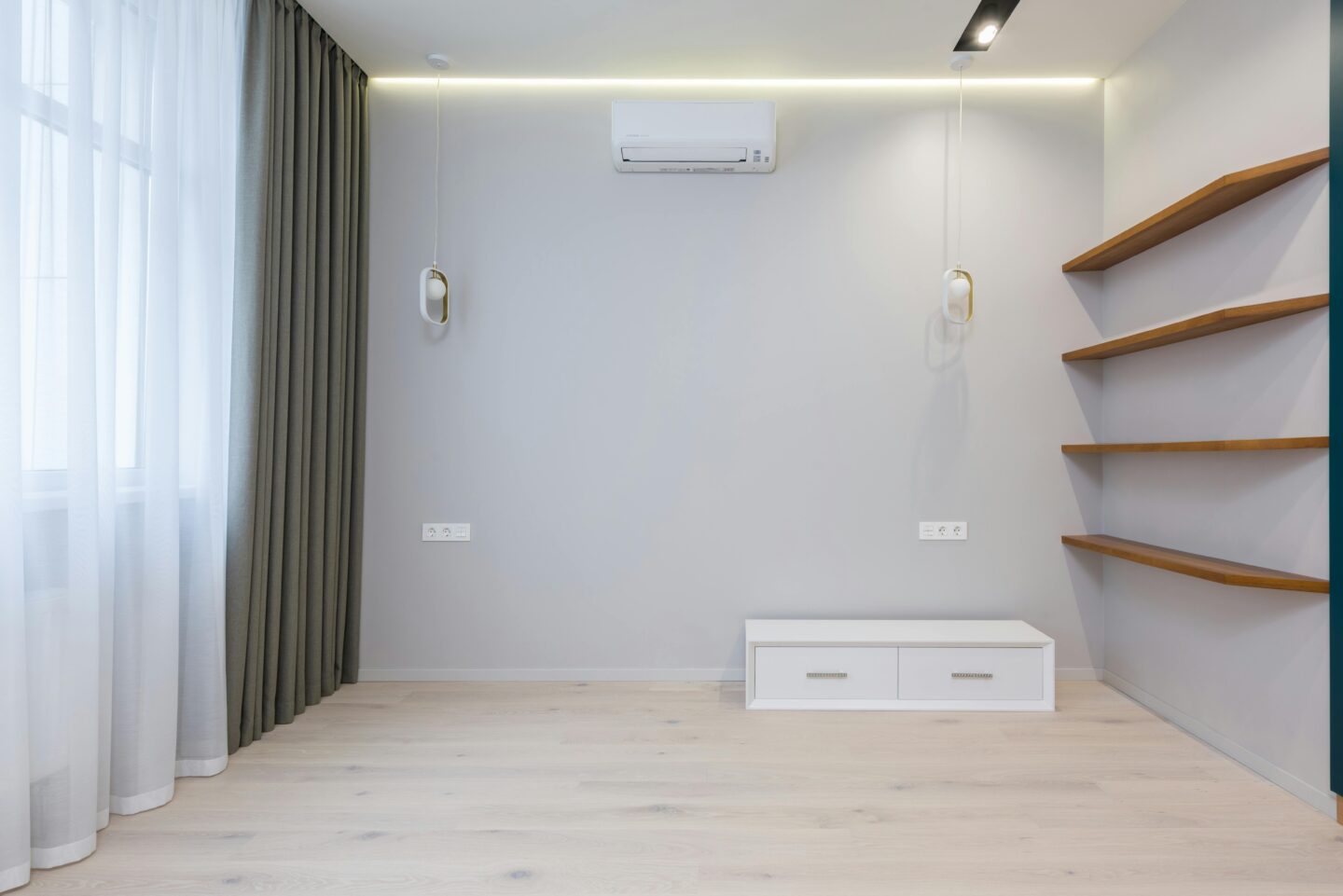
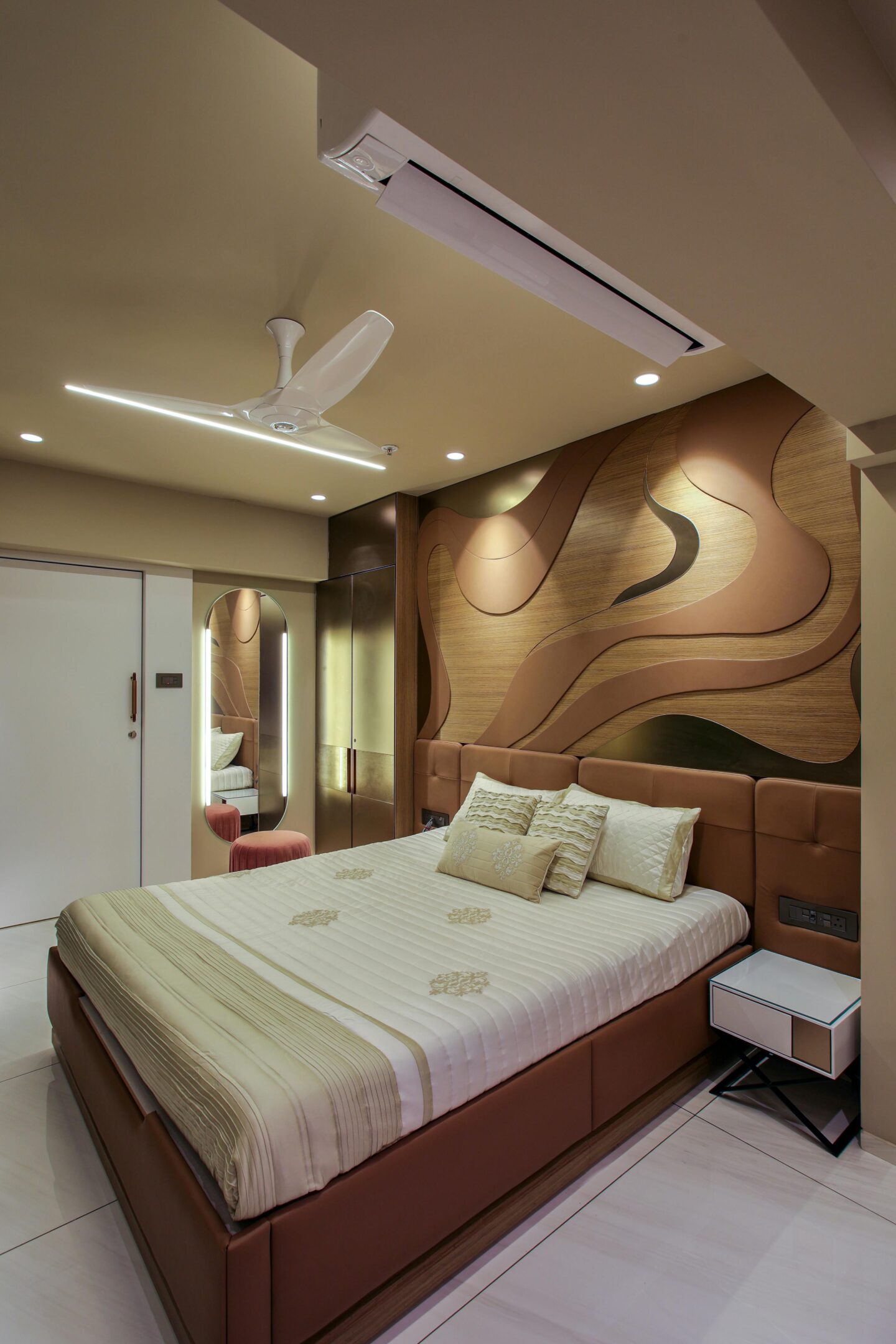
Commercial spaces are of different shapes and sizes. The Split AC units have no parallel flexibility to accommodate such differences. With their modular nature, and whether wall-, ceiling-, or even floor-mounted cassettes are considered, they blend perfectly with existing décors. This ensures efficient airflow independent of ceiling heights and architectural constraints. Furthermore, split systems cater to a wider range of cooling capacities. In a commercial space, different split units may be installed, but not as per requirement. For example, in such an application, a server room requires a high-power machine for perfect temperature control, while the customer waiting room needs a less noisy, lower-capacity model.
Zone Control: Personalized Comfort for Increased Productivity
One of the greatest benefits that split AC units bring is the personalized temperature control afforded in different zones. This negates the battle for a comfortable temperature, which rages when centrally controlled systems are in place. For example, think about an office where employees prefer different temperatures. That means a split system is providing individual comfort and probably increasing productivity. For restaurants, split units will keep the dining area at a comfortable temperature independent of the heat emanating from the kitchen.
Less Noise Pollution for More Peaceful Surroundings
As mentioned earlier, central air conditioning systems have compressors known to be noisy, and they are generally located inside the building. Split units are designed to house the noisier condenser unit outside the building. The indoor units mainly consist of fans and evaporator coils, which operate much more quietly and hence provide a more calm environment to work for the employees as well as the customers. This is very helpful in retail stores, restaurants, or any office, for that matter, where one wants a working environment free of distractions.
Split AC units are relatively easy to maintain compared to central air conditioning. The modular construction makes it easy to service individual units without affecting the rest of the system. Further, these split units do not need elaborate ductwork that usually needs cleaning or replacement as leaked ducts from traditional cooling systems. The indoor units’ air filters are supposed to be regularly cleaned and maintained to optimize efficiency and maintain satisfactory air quality.
Addressing the Possible Drawbacks
Among the many good reasons why a split AC system is beneficial to a commercial environment, there are some drawbacks to keep in mind: The first cost of a split system can be a little higher than a central air conditioning system, especially in large spaces. However, it results in long-term energy conservation and reduces maintenance costs, which over time surpass this initial high cost. Also, there might be some restrictions in the architecture concerning the arrangement of condensers outdoors. Therefore, hiring a licensed HVAC professional can be the best approach, and they will make the necessary careful judgments to choose from a solution that is suitable for your unique needs, budget, and other considerations.
Thank you for reading.







