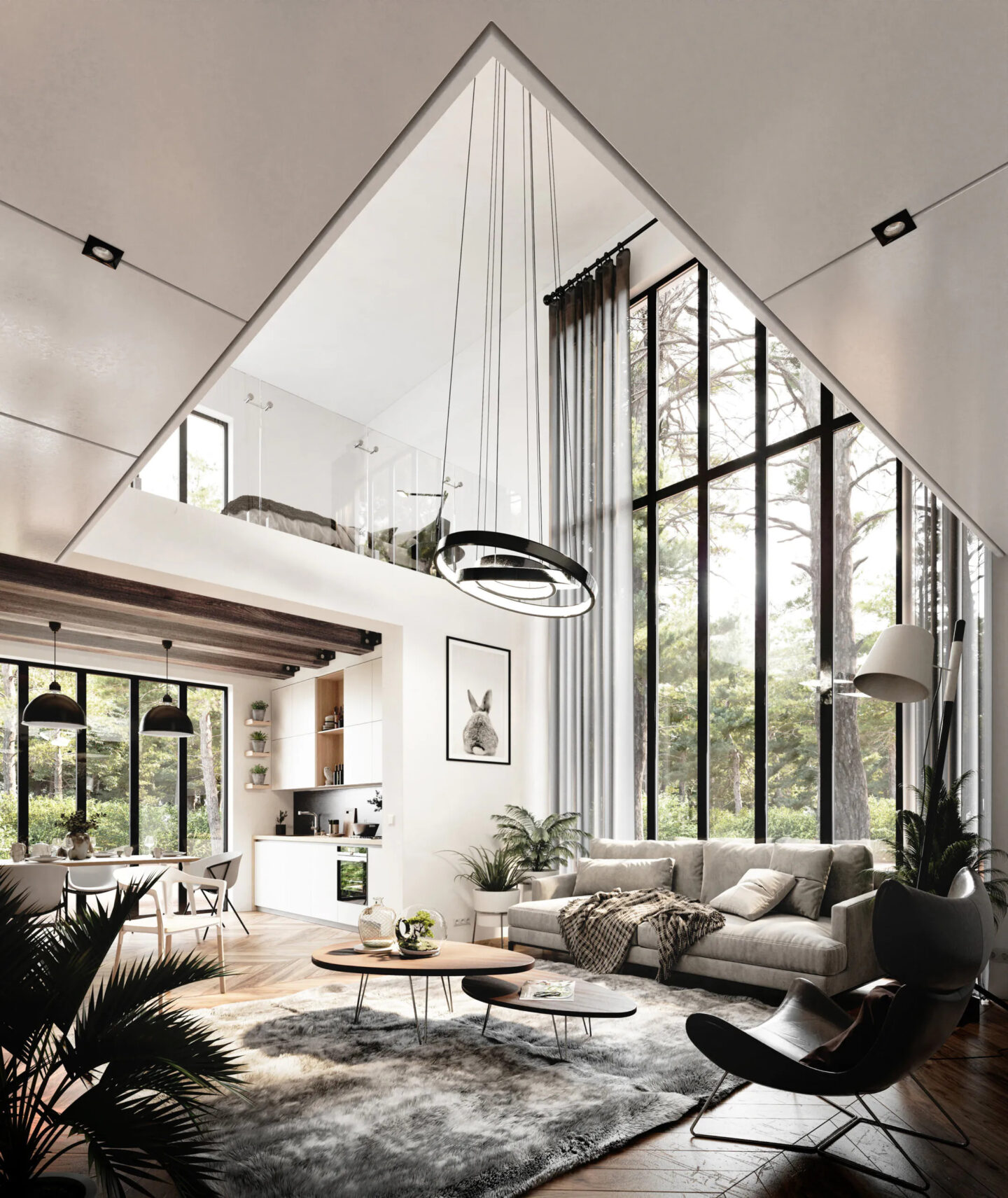
Interior design has evolved dramatically from 2000 to 2024, reflecting changes in lifestyle, technology, and cultural influences. In 2024, interior design is all about blending comfort, sustainability, and individuality. Starting in the 2000s, designs have evolved from the era of minimalism and neutral tones and the 2010s, which can be named as a rise of open concepts and personalization, then to the 2020s, which reflect sustainability, comfort, and biophilic design.
The cozy simplicity of warm minimalism, or the natural elegance of organic modern—this 2024 year’s trends have something for every taste. These styles are a response to how we live now—seeking spaces that not only look good but also feel good to be in. With the calming appeal of Japandi, there’s a shift toward creating homes that tell a personal story while still embracing innovation. This article will give you information about the most popular design styles of 2024, breaking down their characteristics, materials, and the influences behind them. Plus, with the help of interior 3D rendering, it’s easier than ever to bring these styles to life and customize your home to fit your vision.
1. Mid-Century Modern
This style is truly timeless and continues to be a favorite for 2024. Mid-Century Modern design is characterized by its focus on simplicity and functionality. Clean lines, organic forms, and minimalist yet functional furniture are key features. The beauty lies in how this style captures the optimism and innovation of the 1950s and 1960s.
- Characteristics: It blends simplicity with statement furniture pieces. The design often incorporates open plans, large windows, and a focus on bringing the outdoors in.
- Materials: Natural wood, often in light to medium tones, is a key material. Other materials like metal, leather, and glass are also common. Furniture pieces tend to be well-crafted and enduring.
- Influence: The mid-century design movement, was heavily influenced by modernist architects like Le Corbusier and Scandinavian minimalism. The era’s post-WWII optimism and advancements in materials and manufacturing greatly influenced this style’s growth
2. Warm Minimalism
Minimalism has always focused on “less is more,” but in 2024, there’s an added emphasis on comfort and coziness. Warm minimalism brings in soft textures and neutral colors to balance the sleek, clean lines traditionally associated with the minimalist aesthetic. This trend highlights mindfulness and intentional living by encouraging clutter-free environments.
- Characteristics: Spaces are uncluttered, focusing on functionality. However, there’s more emphasis on warmth—soft fabrics, calming color schemes such as milky, creamy, and cozy elements are added to soften the clean look.
- Materials: Light woods, soft textiles like wool or cotton, and neutral tones dominate. You might also find ceramics or woven textures for a subtle, earthy feel.
- Influence: Scandinavian design remains a major influence, but with a new focus on balance and comfort, drawing from the Japanese philosophy of “wabi-sabi,” which embraces imperfection
3. Organic Modern
This style is perfect for those who appreciate modern aesthetics but want to feel connected to nature. Organic Modern mixes clean lines with natural materials to create spaces that feel both structured and grounded. Including plants and greens in space that connect to nature and involve its energy in the building.
- Characteristics: The emphasis is on neutral color schemes and streamlined designs. However, natural textures and organic shapes soften the space, making it more inviting and livable. The interplay between sleek and raw elements is key.
- Materials: You’ll see a lot of wood (especially with natural finishes), stone, plants, and woven textiles. The idea is to bring the outdoors inside in a sophisticated way.
- Influence: Organic modern design is influenced by the growing biophilic design trend, which prioritizes the connection between humans and nature. It’s also rooted in modernist principles, where form follows function
4. Japandi
Japandi is a hybrid style combining the best of Japanese minimalism and Scandinavian coziness. It’s all about creating calm, serene spaces that prioritize functionality while feeling warm and inviting. Japandi’s focus is on craftsmanship, simplicity, and a strong connection to nature, making it one of the most relaxing design trends of 2024.
- Characteristics: The look is clean and uncluttered, featuring low-profile furniture, open spaces, and plenty of light. Textures like soft linens, wool, and natural wood bring warmth to otherwise minimalist spaces.
- Materials: Light woods like oak or bamboo are popular, paired with handcrafted pottery, stone accents, and cotton or linen fabrics. Muted, earthy tones dominate the color palette.
- Influence: Japandi is the perfect blend of Scandinavian “hygge” (coziness) and Japanese “wabi-sabi” (the beauty of imperfection). It also reflects the current global focus on sustainability
5. English Country
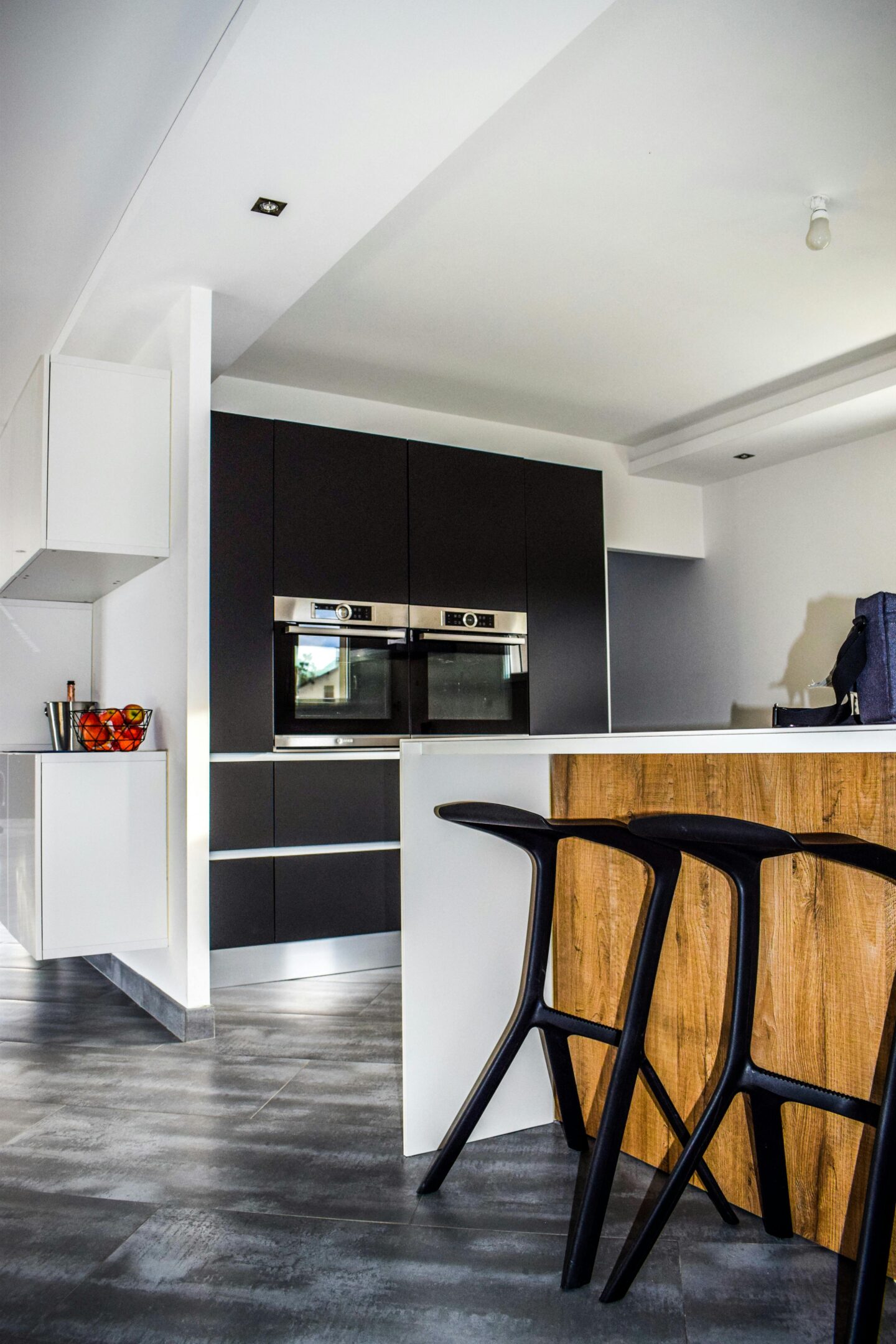
English Country offers a cozy, lived-in look that feels like a charming countryside cottage. It’s all about layers of texture, floral patterns, and vintage charm. This style encourages a more personal, less polished approach to decorating.
- Characteristics: English Country focuses on comfort and warmth, using a lot of traditional elements like overstuffed sofas, large rugs, and classic, patterned wallpaper. Rooms feel full of history, with every piece of furniture telling a story.
- Materials: Expect a lot of natural materials—wood, linen, and cotton—paired with chintz fabrics, florals, and antiques. There’s also a big focus on upcycling or using reclaimed materials to give spaces a more personal, sustainable touch.
- Influence: This style draws heavily from traditional English country homes, particularly Georgian and Victorian influences, which focus on the layering of textures and the use of heritage pieces
6. Curvilinear Furniture
Curvy, flowing furniture is taking the spotlight in 2024, adding softness and fluidity to interior spaces. This trend is all about creating movement and breaking up the rigid lines that have dominated modern design for years.
- Characteristics: Rounded sofas, sculptural chairs, and fluid tables are the key features here. The look is modern yet inviting, with a focus on comfort.
- Materials: You’ll find plush fabrics like velvet and soft wool covering curved shapes. Metals like brass and natural materials such as wood often complement these pieces.
- Influence: This trend is inspired by Art Deco and organic design principles, which favor curves and flowing forms. It’s also a response to the hard edges of minimalist and industrial designs, offering a more inviting, soft aesthetic
3D Interior Rendering in 2024
With all these trending styles, it’s now easier than ever to bring your vision to life with 3D interior rendering. This technology allows you to visualize how different styles and design elements come together in your space, helping you make design decisions without second-guessing. For those looking to dive deeper, an experience in an interior design bootcamp can teach you how to harness these tools effectively, empowering you to refine your skills and create stunning, cohesive designs.
- Characteristics: 3D renderings provide lifelike images of interiors, capturing every detail from lighting and textures to furniture and materials. You can experiment with different layouts, color schemes, and furniture pieces to see what works best before committing.
- Materials: Digital models simulate real-world materials like wood, metal, and fabrics. The beauty is that you can visualize exactly how they’ll look in your space under different lighting and angles.
- Influence: The rise of digital design tools and software has revolutionized how designers work. It provides homeowners with a more interactive and immersive experience, ensuring that their homes align perfectly with their vision.
Lastly, 3D interior rendering has become an essential tool for the design world. 3D rendering allows for experimentation, making it easier to design your dream space toward personal expression, comfort, and a return to nature in home design.
Thank you for reading.







