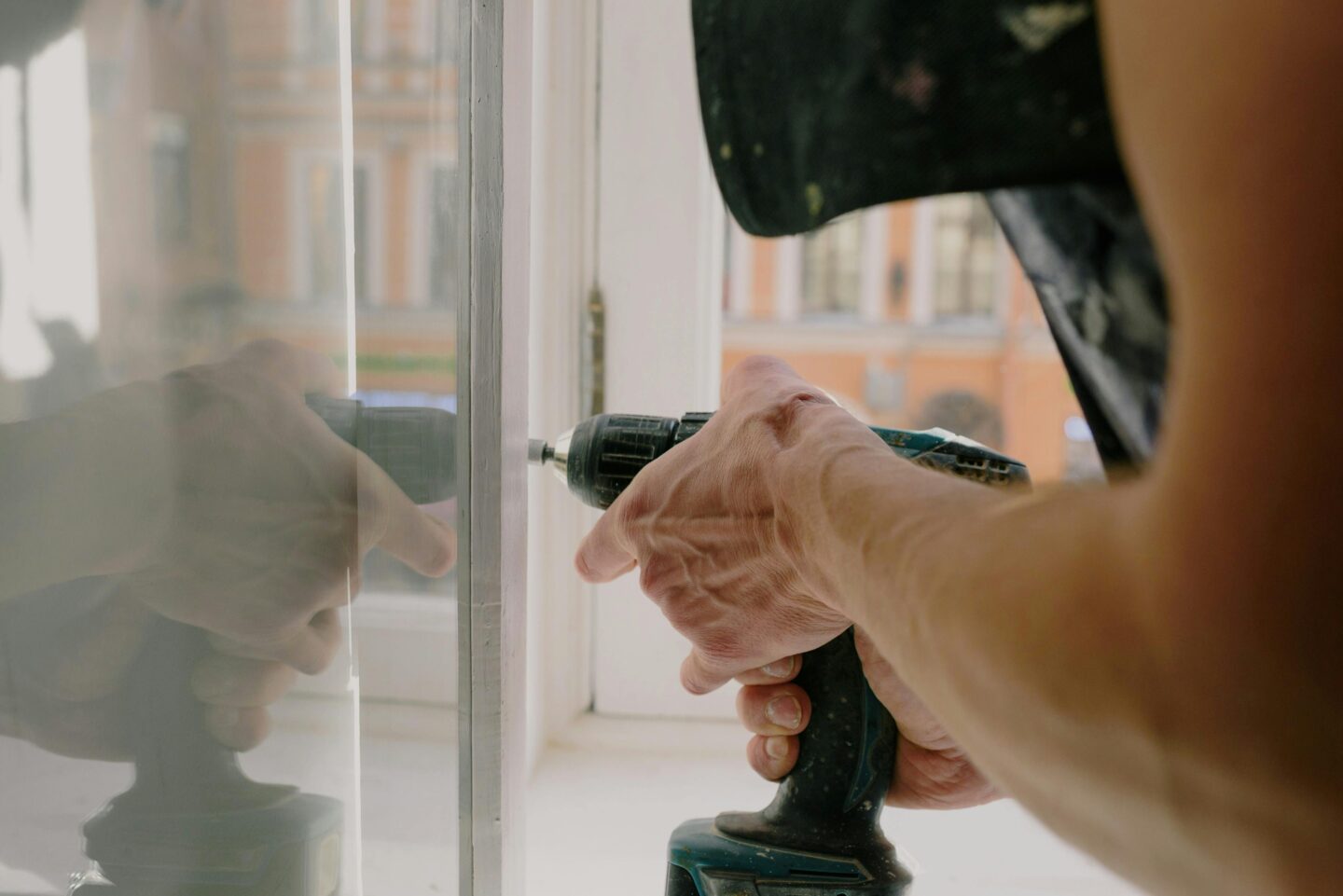
A home is one of the biggest investments people make, so it’s important to take proper care of it year-round. Every season brings unique maintenance tasks that help protect the structure and improve its longevity. By following a seasonal checklist, homeowners can address small issues before they become major repairs, saving both time and money.
This guide will walk you through seasonal maintenance tasks that are essential for keeping your home in great condition.
1. Spring: Inspect and Clean Gutters
As the winter frost melts away, spring is the perfect time to inspect and clean your gutters. Over the colder months, debris like leaves, dirt, and twigs can build up, leading to clogs that prevent proper drainage. If water isn’t able to flow freely, it could cause damage to your home’s foundation, siding, or even your landscaping.
To prevent this, use a ladder to carefully inspect your gutters and downspouts. Remove any debris you find, and check for signs of damage, such as rust or cracks. If there’s significant buildup, you may need to call in a professional to thoroughly clean your gutters. Regular maintenance will ensure your gutters last longer and work more efficiently, especially when heavy spring rains arrive.
2. Spring: Check for Plumbing Issues
Spring is also a good time to assess your home’s plumbing system for any hidden issues that may have developed over the winter. Freezing temperatures can cause pipes to crack, and you might not notice leaks until the weather warms up. Ignoring these problems could lead to more extensive damage later, such as mold growth or water damage to your walls and floors.
Start by inspecting visible pipes, faucets, and outdoor hoses for any signs of wear or leaks. Don’t forget to check under sinks and around appliances like washing machines and dishwashers. If you spot any issues, it’s best to get them fixed right away. Companies like Baethke Plumbing offer professional services to address plumbing concerns before they escalate, saving you from costly repairs down the line.
3. Summer: Maintain Your Lawn and Garden
When summer arrives, maintaining your lawn and garden should be a priority. A well-maintained yard not only improves your home’s curb appeal but also helps prevent potential damage to your property. Overgrown bushes, trees, and shrubs can obstruct windows, damage siding, or even crack your foundation if roots grow too close to the structure.
To keep things in check, regularly trim back any greenery that touches your home. This will also help prevent insects and rodents from finding their way inside. Mowing the lawn frequently will keep it healthy and manageable, and don’t forget to water it during dry periods. If you have flower beds, take the time to pull weeds and fertilize them so that they continue to thrive.
4. Fall: Clean Your Fireplace and Chimney
Before winter arrives, it’s important to prepare your fireplace and chimney for the colder months. A buildup of soot or debris in the chimney can pose a serious fire hazard, so cleaning it before you light your first fire of the season is crucial.
Hire a professional chimney sweep to inspect and clean the chimney, removing any creosote buildup. Creosote is a byproduct of burning wood that can accumulate over time and increase the risk of chimney fires. Also, check that the damper is functioning properly to prevent drafts when the fireplace is not in use. Taking these steps will ensure your fireplace is safe and ready to provide warmth throughout the winter months.
5. Fall: Prepare Your Roof for Winter
Before winter’s harsh weather arrives, your roof needs a thorough inspection. Any damaged or missing shingles should be addressed immediately to prevent leaks or water damage when snow and ice accumulate. Even small gaps in your roof can let in moisture, which may lead to mold, mildew, or rot, compromising the structure of your home.
Start by looking for loose or missing shingles, sagging areas, or other visible damage. If you’re not comfortable climbing onto the roof, consider hiring a professional roofer to perform the inspection and make necessary repairs. Ensuring your roof is in top condition before winter sets in will protect your home and avoid more expensive issues down the line.

6. Winter: Seal and Insulate
During winter, your home’s insulation plays a key role in keeping the cold out and the warmth in. If your insulation is inadequate, you could end up with higher energy bills and a drafty, uncomfortable home. Take the time to check your attic, walls, and basement for sufficient insulation and address any gaps where heat might escape.
Sealing cracks or gaps around windows, doors, and vents is another effective way to prevent heat loss. Applying weather stripping around doors and window frames is a simple but important step to improve energy efficiency. This extra layer of protection will ensure your home stays warm and your energy costs remain manageable during the cold months.
7. Year-Round: Test Smoke and Carbon Monoxide Detectors
Regardless of the season, maintaining functional smoke and carbon monoxide detectors is crucial for your family’s safety. These devices provide early warnings in case of fires or gas leaks, potentially saving lives. Testing them regularly and replacing the batteries at least once a year ensures they are always operational.
If your detectors are over ten years old, it’s recommended to replace them entirely, as they may no longer work effectively. Install detectors in key areas such as bedrooms, hallways, and the kitchen. This small but essential task is an easy way to protect your home and ensure the safety of everyone inside.
In conclusion, by following this seasonal home maintenance checklist, homeowners can protect their investment and avoid costly repairs throughout the year. A proactive approach to maintenance can save you time, money, and stress, making homeownership a more enjoyable experience.
Thank you for reading.







