Keeping a clean and healthy home is essential for both comfort and overall well-being. By focusing on key areas, homeowners can create a space that feels inviting and also promotes good health. This guide highlights some important spots in the home that need regular attention to maintain hygiene and cleanliness.
Kitchen Maintenance
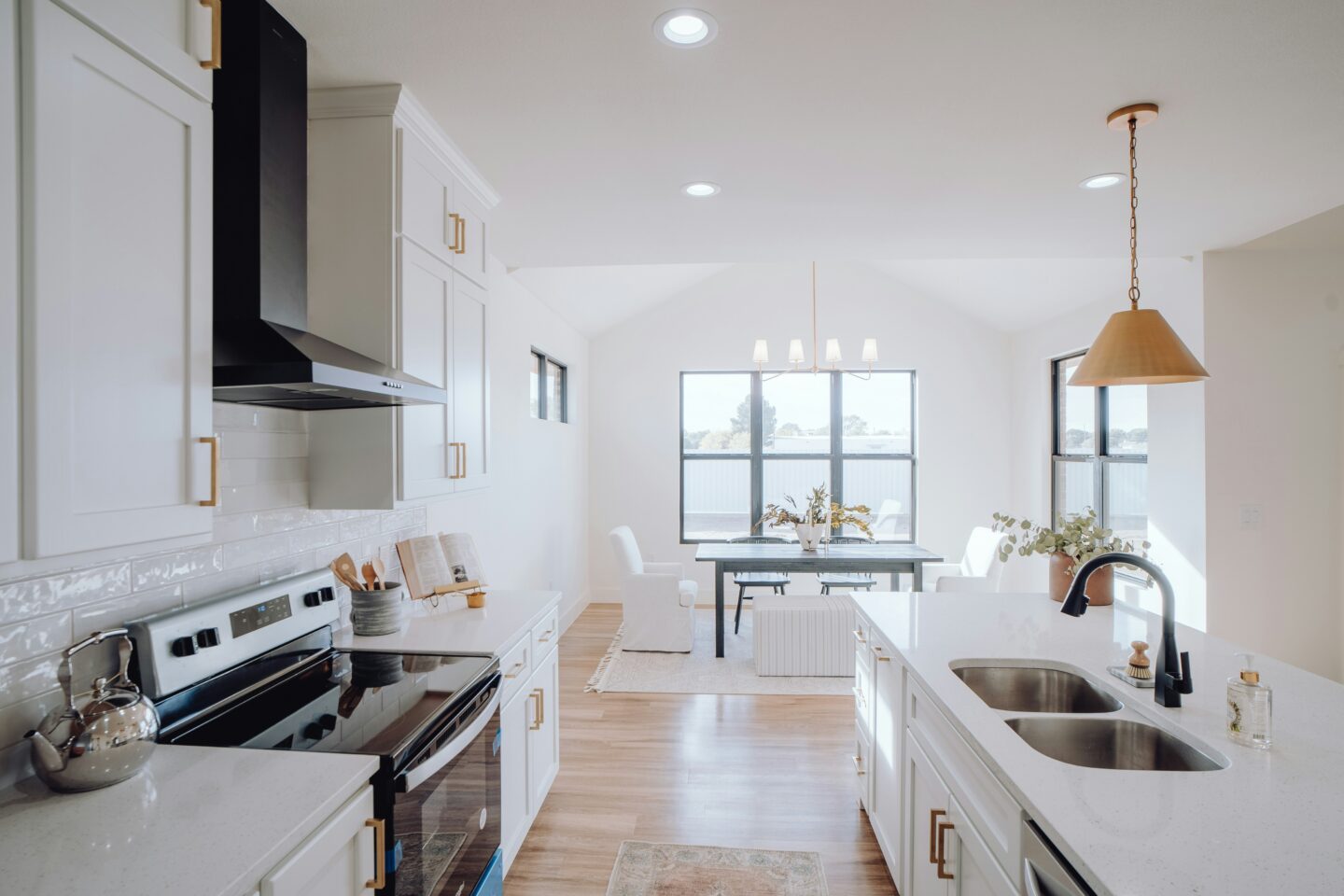
The kitchen is one of the most used areas in any home, and it’s a place where germs and bacteria can easily accumulate. Because it is a food preparation space, maintaining cleanliness here is important for health and safety. Regularly wiping down countertops is a basic but effective practice to remove bacteria and food particles. Use a disinfectant to clean handles, such as those on the refrigerator, cabinets, and stove, as these are often touched and can spread germs.
Appliances like the stove, oven, and microwave also need regular attention. Grease and spills can build up quickly, creating a breeding ground for bacteria. Cleaning these surfaces frequently helps prevent this and keeps your kitchen looking fresh. The refrigerator should also be cleaned out on a regular basis.
Regularly deep-cleaning the sink and using a drain cleaner can help keep this area fresh and functional. Also, remember to properly store food and utensils. Keeping food items sealed and organizing utensils reduces the risk of cross-contamination and makes the kitchen easier to manage.
Bathroom Care and Upgrades
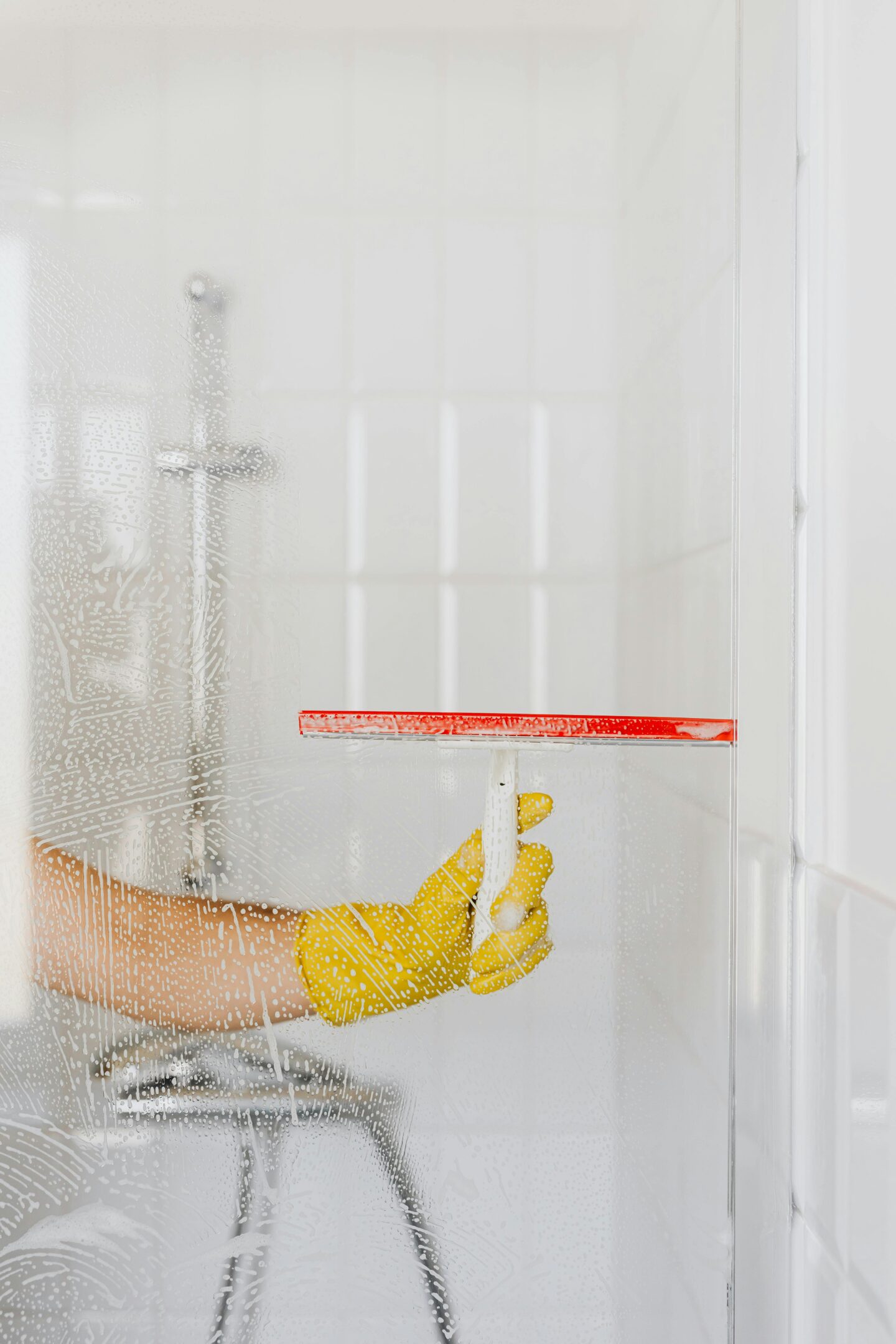
Bathrooms are another area that require consistent attention. They are high-moisture environments where mold and bacteria can thrive if not properly managed. Regular cleaning of surfaces like sinks, countertops, and shower walls is important for preventing buildup and keeping the bathroom hygienic. Using mold-resistant cleaners can help keep these areas clean.
While regular cleaning is important, making a few upgrades can transform the space into a more manageable environment. For instance, bathroom remodeling can be a great way to introduce easy-to-clean surfaces and improve overall hygiene. Installing tiles with sealed grout lines reduces the chances of mold growth and makes cleaning quicker and easier.
Adding better ventilation systems through remodeling can also make a big difference in preventing moisture buildup, which often leads to mold and mildew. Upgrading old fixtures, such as faucets and showerheads, can improve water flow and reduce the chances of leaks, which often cause hidden mold issues.
For added safety and convenience, consider installing non-slip flooring during a remodel. This helps prevent accidents in a wet environment and makes the bathroom easier to clean. With these simple upgrades, the bathroom becomes not just cleaner but also a safer and more functional part of the home.
Bedroom Hygiene
The bedroom is where you rest and recharge, so maintaining a clean space is vital for health and comfort. Dust and allergens can quickly accumulate on surfaces, bedding, and in carpets, affecting sleep quality. To keep the bedroom fresh, start with the basics—regularly washing bedding, including sheets, pillowcases, and blankets. Washing these items at least once a week helps reduce dust mites and other allergens.
Vacuuming carpets and rugs is another essential step, especially if you have pets. Carpets can trap dust, hair, and dirt, so frequent vacuuming helps maintain a cleaner environment. If you have hard floors, sweeping and mopping regularly will keep dust levels down. It’s also a good idea to dust furniture, such as nightstands, dressers, and shelves, since these areas can easily gather dust and affect air quality.
Decluttering the closet is an often-overlooked task, but it plays an important role in keeping the bedroom clean. Cluttered spaces collect dust, and disorganized clothing can attract pests. Keeping closets organized reduces these risks and helps create a more open, breathable atmosphere. Lastly, inspect the bedroom for signs of pests, like bed bugs or mites, and address any issues quickly to maintain a healthy sleeping environment.
Living Room Upkeep
The living room is a high-traffic area where dust and dirt can build up quickly. As a space where people gather, it’s important to maintain cleanliness to promote a comfortable and inviting atmosphere. Start by vacuuming furniture, such as sofas and chairs, to remove dust, crumbs, and pet hair. For leather or fabric couches, wiping them down or using a fabric cleaner keeps them looking fresh and reduces allergens.
Rugs and carpets should also be vacuumed frequently to keep the space clean. Dirt from shoes and daily use can accumulate, and regular vacuuming helps maintain a tidy look while minimizing allergens. Also, pay attention to frequently touched surfaces like remote controls, light switches, and doorknobs. Wiping these down with disinfectant reduces the spread of germs, keeping the living room a healthier space for everyone.
Keeping the living room organized is another key aspect of maintenance. Managing cables from electronics, for instance, helps avoid clutter and potential tripping hazards. Organizing books, magazines, and other items reduces dust and keeps the room looking neat. By taking these steps, you create a cleaner and more welcoming environment for both daily living and entertaining guests.
Air Quality and Ventilation
Maintaining good air quality is crucial for a healthy home. Poor ventilation and high humidity can lead to mold growth and affect respiratory health. One of the simplest ways to improve air quality is to clean or replace HVAC filters regularly. Filters can trap dust, allergens, and other particles, so keeping them clean is important for circulating fresh air throughout your home.
Using air purifiers can also make a big difference, especially if you live in an area with poor outdoor air quality. These devices help reduce allergens, dust, and pet dander, making the air cleaner and more breathable.
Proper ventilation is also key. Regularly opening windows to let in fresh air can help lower humidity levels and prevent the buildup of indoor pollutants. In spaces like kitchens and bathrooms, using exhaust fans helps remove moisture, reducing the risk of mold and mildew. Keeping windows clean allows sunlight to enter, which can naturally reduce bacteria and mold growth.
Houseplants are another simple way to improve indoor air quality. Plants like spider plants, peace lilies, and snake plants are known for filtering toxins and adding oxygen, contributing to a fresher atmosphere.
By focusing on these key areas, homeowners can create a cleaner and healthier environment. Simple steps, such as regular cleaning routines, decluttering, and improving ventilation, make a significant impact. A proactive approach to these areas helps create a comfortable, safe, and enjoyable home space for all.
Thank you for reading.







