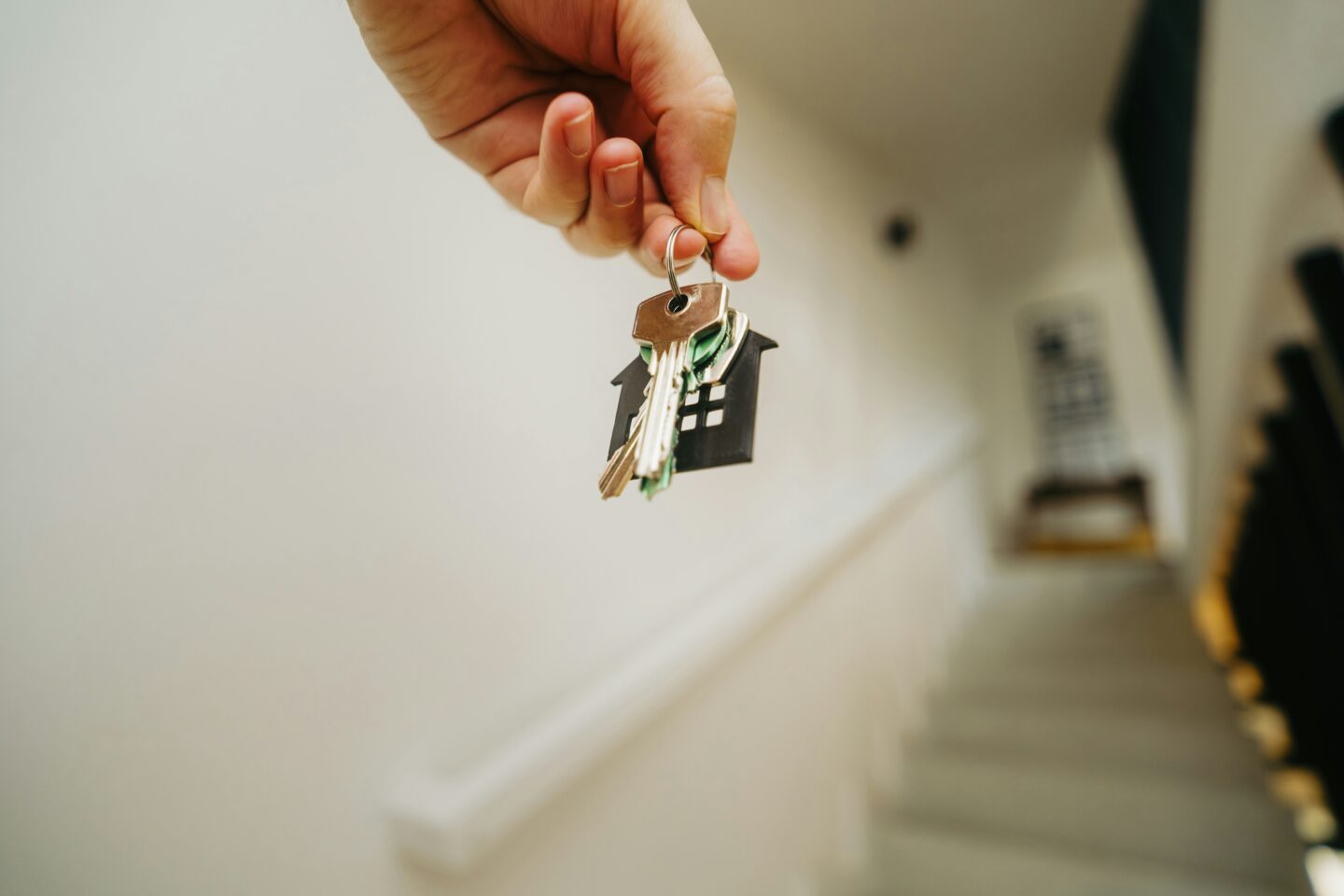
Owning a home is one of the most significant financial investments a person can make. However, purchasing a home is just the beginning—maintaining and increasing its value over time is what truly builds wealth. Whether you plan to sell in the future or want to enhance your living space, strategic upgrades, and maintenance can yield long-term financial benefits.
Home value appreciation depends on various factors, including market trends, location, and the effort put into improvements. By taking smart steps, homeowners can ensure their property remains a valuable asset for years to come.
Beyond market conditions, a home’s value is also influenced by how well it is maintained and upgraded over time. Investing in essential renovations, energy efficiency, and curb appeal can significantly impact property appreciation.
Regular upkeep prevents costly repairs and enhances a home’s longevity, while strategic improvements can make it more attractive to potential buyers. Understanding which upgrades provide the best return on investment allows homeowners to make informed decisions that contribute to sustained financial growth. Let’s discuss this further.
Understanding Home Equity and Its Impact on Value
Home equity is a crucial factor in determining a home’s financial value. It represents the difference between the property’s current market price and the remaining mortgage balance.
As homeowners make payments and as property values rise due to market trends or strategic improvements, equity builds, strengthening financial stability and opening opportunities for further investment.
One way homeowners can access this equity is through HELOC. You might be asking: What is a home equity line of credit (HELOC)? It is a revolving credit line that allows homeowners to borrow against their equity as needed, much like a credit card.
Unlike a traditional loan, a HELOC offers flexibility, letting homeowners withdraw funds when necessary, making it an effective option for financing major projects such as home renovations or property upgrades. When used strategically, a HELOC can help fund improvements that contribute to long-term appreciation rather than short-term enhancements.
Strategic Home Improvements for Long-Term Value
Not all renovations contribute equally to a home’s value. While some projects yield a high return on investment (ROI), others may not offer substantial gains. To maximize value, homeowners should focus on improvements that enhance functionality, efficiency, and appeal.
1. Kitchen and Bathroom Upgrades
Kitchens and bathrooms are two of the most important areas for home value appreciation. Modernizing these spaces can yield significant returns, as they are high-traffic and essential parts of the home. Key upgrades include:
- Installing energy-efficient appliances
- Updating cabinetry and countertops
- Enhancing lighting and plumbing fixtures
- Improving storage solutions
A functional, aesthetically pleasing kitchen and bathroom increase buyer appeal and overall market value. Even minor updates, such as replacing outdated hardware or adding a fresh coat of paint, can make a noticeable difference.
2. Energy-Efficient Enhancements
Energy efficiency is an increasingly important factor for homeowners and buyers. Upgrading a home to be more energy-efficient not only reduces utility bills but also adds value. Smart energy investments include:
- Installing solar panels
- Upgrading insulation and windows for better temperature control
- Using energy-efficient lighting and appliances
- Adding smart thermostats for improved energy management
These improvements make homes more sustainable and attractive to environmentally conscious buyers. Additionally, they provide long-term savings, making the home more cost-effective to maintain.
3. Curb Appeal and Landscaping
First impressions matter, and curb appeal plays a significant role in determining a home’s value. A well-maintained exterior increases property desirability and contributes to long-term appreciation. Enhancements to consider:
- Regular lawn maintenance and landscaping
- Updating the front door and exterior paint
- Adding outdoor lighting for aesthetics and security
- Repairing or upgrading the driveway and walkways
A visually appealing exterior not only enhances the homeowner’s experience but also makes a property more inviting to potential buyers in the future.
4. Structural and Functional Upgrades
While cosmetic changes are important, structural and functional integrity should not be overlooked. A home with strong foundational elements will maintain its value over time. Key improvements include:
- Roof replacement or maintenance
- Updating electrical and plumbing systems
- Reinforcing the foundation
- Installing a modern HVAC system
These upgrades ensure a home remains safe, functional, and up to code, which is crucial for long-term value appreciation.
Smart Maintenance to Preserve Home Value
Beyond renovations, routine maintenance is essential for protecting a home’s value. A well-maintained property prevents minor issues from escalating into costly repairs. Regular inspections and timely upkeep contribute to overall longevity.
1. Routine Inspections and Preventative Repairs
Consistently inspecting the home for potential issues can save homeowners from expensive repairs. Key areas to monitor include:
- Plumbing leaks and water damage
- Roof condition and potential leaks
Addressing minor problems early ensures that they do not develop into major structural concerns.
2. Seasonal Maintenance
Different seasons bring varying challenges for homeowners. Proactive seasonal maintenance helps prevent wear and tear. Essential tasks include:
- Cleaning gutters to prevent water damage
- Sealing windows and doors to improve insulation
- Servicing heating and cooling systems before peak seasons
- Checking for pest infestations
These preventive measures ensure that the home remains in optimal condition throughout the year.
3. Keeping Up with Market Trends
Market conditions and buyer preferences influence home value. Staying informed about design trends and technological advancements can help homeowners make strategic updates. Popular trends include:
- Open-concept living spaces
- Smart home technology integration
- Eco-friendly materials and sustainable living features
Adapting to market trends ensures that a home remains competitive and desirable to future buyers.
The Role of Neighborhood and Market Trends
While individual home improvements are important, external factors also impact property value. The neighborhood and surrounding market conditions play a significant role in appreciation. Factors to consider include:
- Local economic growth and job opportunities
- School district quality and amenities
Monitoring these trends helps homeowners make informed decisions about long-term investment strategies.
Timing the Sale for Maximum Returns
For homeowners planning to sell, timing is key. Market conditions fluctuate, and selling during a seller’s market can yield higher returns. Considerations for optimal selling time include:
- Evaluating local real estate trends
- Assessing interest rates and lending conditions
- Preparing the home for staging and marketing
Properly timing a sale ensures that homeowners maximize their return on investment and capitalize on favorable market conditions.
All in all, maximizing a home’s value over time requires a strategic combination of renovations, maintenance, and awareness of market trends.
By focusing on high-impact improvements, energy efficiency, and structural integrity, homeowners can ensure their property appreciates steadily.
Thank you for reading.