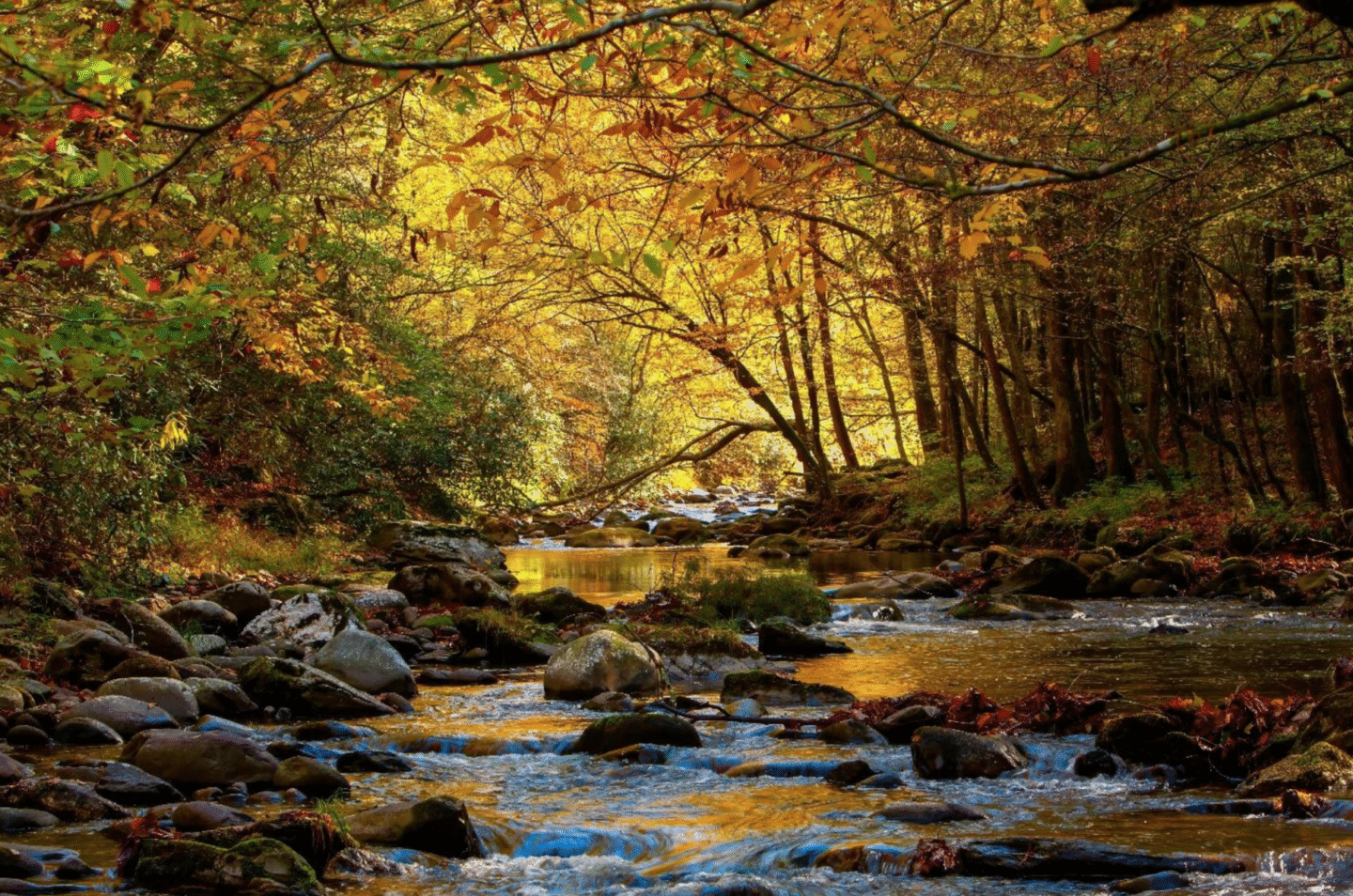
Travel doesn’t always deliver the break people hope for. Long flights, packed itineraries, and constant activity often replace one kind of busy with another. That’s why mountain trips, especially the kind you return to every year, have started to stand out. They don’t rely on constant planning. They offer a rhythm that’s slower, quieter, and easier to settle into.
The Smoky Mountains are one of the places that make this kind of trip possible. People come back year after year not because the scenery changes but because the feeling does. Returning to familiar trails, local spots, and the same accommodations doesn’t feel repetitive. It feels grounding. Instead of a different destination each time, the mountains become a touchpoint. And that annual pause becomes something you carry with you, even after you leave.
Fewer Daily Choices
At home, there are decisions all day long—what time to get up, what to eat, how to manage work, and where to spend the remaining hours. Even small decisions pile up. During a mountain trip, those daily choices tend to shrink. You wear what’s already out. You eat what’s simple. You decide what to do after you’ve started doing it.
That drop in decision-making creates a kind of mental space that’s hard to find during the week. You’re not choosing between options all the time. You’re just moving through the day in a way that feels less demanding.
Low-Pressure Hiking
Hiking in the Smoky Mountains doesn’t ask for extra preparation or a goal. Most trails are straightforward, easy to navigate, and allow space to move at your own pace. Some people walk just far enough to hear the sound of running water. Others find a trail that leads to a view and stay there for a while. There’s no reward for speed, and there is no need to track distance. Walking in the mountains becomes more about the setting than the steps.
For those staying at Camp RiversLanding, getting to those trails takes little effort. Many of the best paths are nearby, which means you can step outside and be on a trail in no time. That kind of access takes away the pressure of turning a hike into a full-day event. You don’t have to schedule it. You don’t have to plan around it. It becomes a natural part of the day, something you do because it fits.
More Walking, Less Driving
Most people spend a lot of time in cars—commuting, running errands, navigating traffic. It’s normal to drive more than you walk. But in the mountains, that flips. Whether it’s walking to a trailhead, heading downtown, or just wandering around the property where you’re staying, walking starts to make more sense.
This shift doesn’t require much effort. It happens naturally because the surroundings encourage it. You’re not trying to hit a step count or turn walking into a workout. It becomes part of how you experience the place. You’re not stuck in a seat, waiting for lights to change or trying to find parking. You’re moving at a slower pace because you can, and that small change affects the rest of the day.
Views Change the Focus
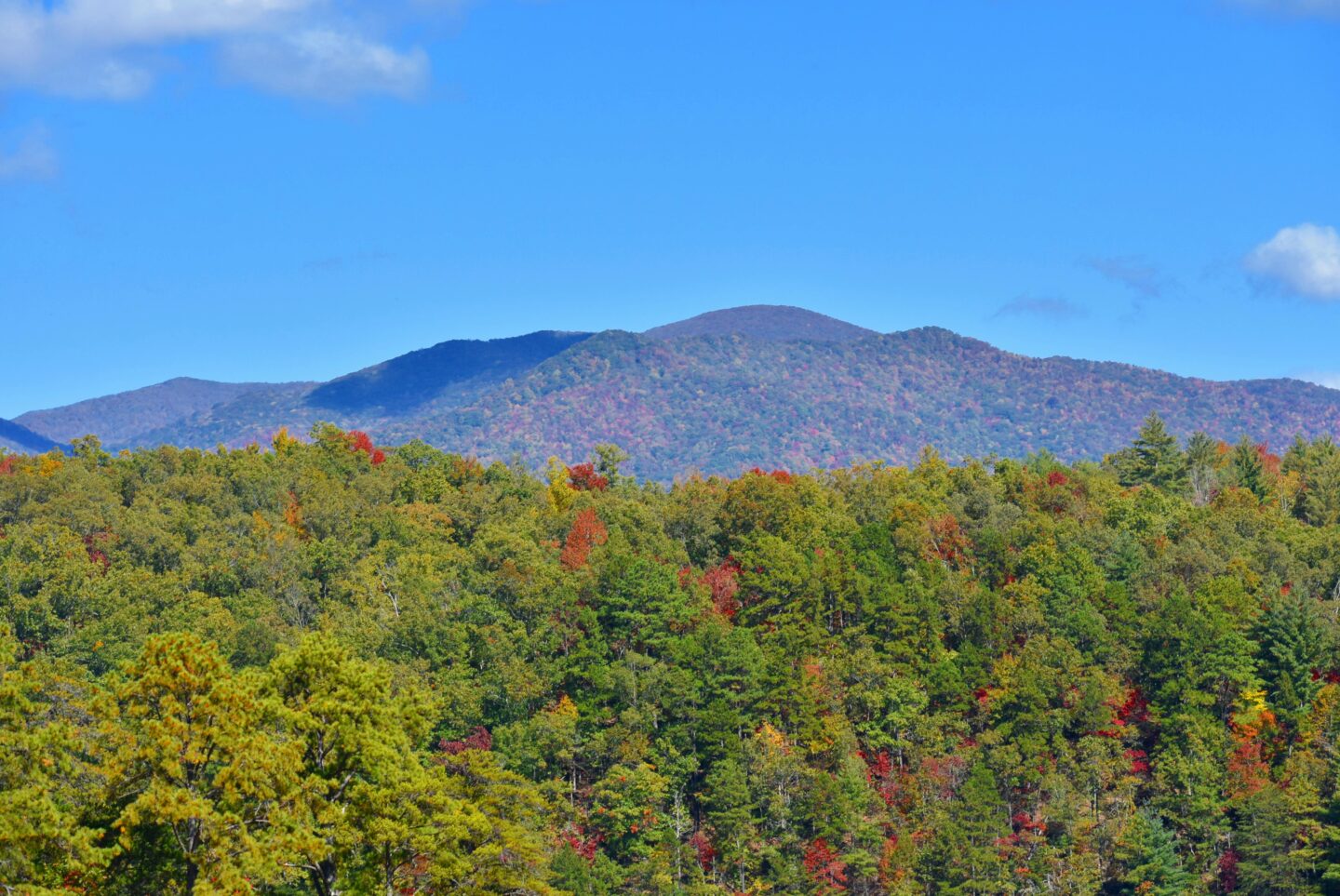
Screens, signs, and schedules fill most days with the same visual noise. In the mountains, that noise disappears. Open skies, changing lights, and wide views replace the clutter. These views don’t need commentary or photos. They’re just there, and they’re hard to ignore.
Looking out across the Smokies doesn’t shift anything in a dramatic way. It’s more subtle than that. The longer you look, the less urgency you feel. It’s not about being amazed but having something in front of you that holds your attention without asking for anything in return. That kind of focus doesn’t follow you into everyday life on its own, but it’s a good place to return to when things feel overcomplicated again.
Quiet Sounds Stay with You
Most places are filled with background noise—phones, TVs, traffic, conversations you didn’t ask to hear. In the mountains, that noise fades without you having to make an effort. What’s left is softer: wind through trees, water moving nearby, birds, footsteps on dirt paths. It’s not silence, but it’s close.
These sounds don’t need to be noticed to make a difference. They just settle into the day. And when the trip is over, you might not remember a specific sound, but you’ll remember how the place felt when it was quiet.
Unrushed Days Feel Longer
Busy schedules can make a full day disappear. One meeting runs into the next, then it’s dinner, then it’s night. In the mountains, that timeline falls apart. There’s still a beginning and end to the day, but the middle stretches in a way that feels unfamiliar—in a good way.
It’s not because you’re doing more. In fact, it’s usually the opposite. It’s because the hours aren’t packed. You might spend most of the afternoon doing something simple and not feel like you lost anything.
Space Clears Your Head
Being physically distant from everyday surroundings changes how you think. It doesn’t solve problems or create breakthroughs but gives you room to notice things you usually don’t. When you’re not surrounded by reminders of what needs to get done, your thoughts shift.
The Smokies are wide and open in a way that doesn’t require attention. You’re not pushed to think or reflect, but the space allows for it anyway. That physical separation from daily life makes a difference, especially when it becomes something you do every year. It becomes a pause you can rely on.
Returning Feels Familiar
Some trips are one-time events built around novelty. Annual mountain trips aren’t like that. They get better when you repeat them. You remember which trail is your favorite and which coffee shop makes the best early breakfast, which in turn leads to the river without needing a map.
That kind of familiarity takes the pressure off. You’re not there to discover but to revisit. There’s something grounding about having a place outside your normal life that you return to just for the sake of it. It doesn’t need to be exciting to be meaningful.
Calm Lasts Longer
You don’t always notice it right away, but something about a slow trip sticks with you. Even when work picks back up, and the calendar fills again, there’s a quiet that lingers for a little while. Maybe it’s from the pace, or the space, or just the time away from noise.
Mountain trips don’t change everything, but they do give you something to carry back. It might be a better night’s sleep, a new way of spending your weekend, or just a feeling you want to get back to.
Taking one trip a year to the mountains isn’t about escaping but creating space that doesn’t exist in regular life. The views, the walking, the quiet—none of it needs to be planned out or explained. It just happens, and that’s what makes it work.
Thank you for reading.







