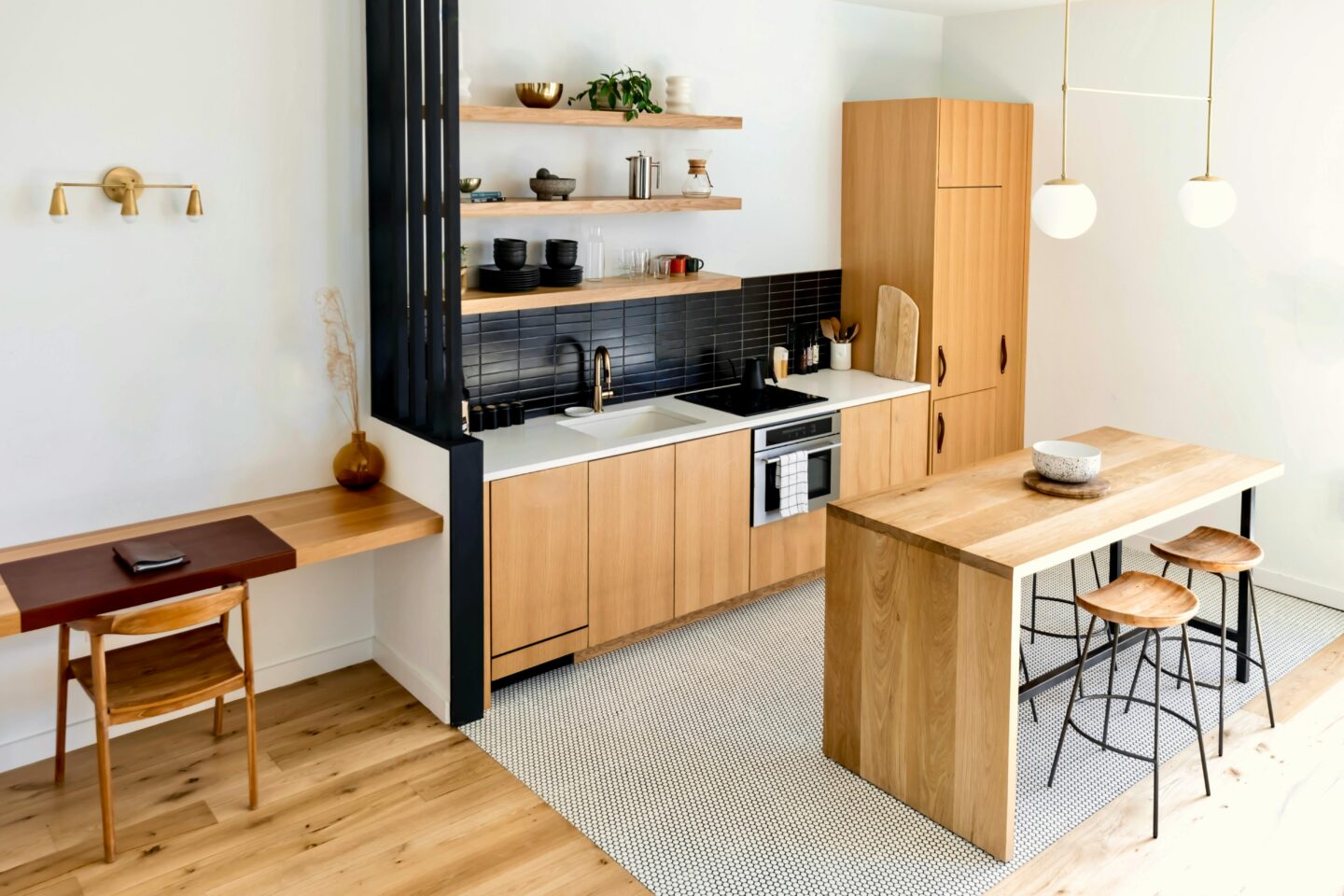
Creating a home that feels both functional and stylish starts long before choosing furniture or accessories. The key to a well-designed space is careful planning, beginning with the floor plan. Your home’s flooring, layout, and flow set the tone for how each room will function and feel. Taking the time to map out your space ensures that every element, from walls to lighting and furniture, works together to create a cohesive, practical, and inviting home.
Whether you’re building from scratch, renovating, or simply refreshing a room, thinking ahead can prevent costly mistakes and help you make the most of every square metre.
Start with your floor plan
The floor plan is the blueprint of your home. It dictates how people move through each space, the placement of furniture, and how natural light and airflow circulate. When drafting or reviewing a floor plan, consider:
- Traffic flow between rooms and areas
- Positioning of windows, doors, and built-in features
- Natural focal points such as fireplaces or large windows
- Zones for specific activities like dining, lounging, or working
Even small details, such as where to place power outlets or lighting switches, can influence how functional your space feels. Your choice of flooring, such as Luxury Vinyl Plank (LVP), should also be considered at this stage, as extending consistent flooring throughout your home can improve flow, create cohesion, and enhance the overall design. A well-thought-out floor plan ensures that every area is both practical and enjoyable to use.
Think about proportions and scale
Once you have a floor plan, the next step is considering the size and scale of your furniture, fixtures, and accessories. Oversized pieces in a small room can make the space feel cramped, while tiny furniture in a large room can seem lost. Measuring your rooms carefully and sketching out where each item will sit helps you visualise the space and avoid overcrowding. Don’t forget to leave enough circulation space so people can move comfortably without obstruction.
Functional zoning for every room
Zoning is the process of defining areas within a room for different functions. Open-plan living spaces, for example, can benefit from clear distinctions between dining, lounging, and working areas.
Tips for effective zoning
- Use rugs to define seating or dining areas
- Arrange furniture to create natural boundaries
- Employ lighting to differentiate zones, such as pendant lights over a dining table
- Consider partial walls or screens for added separation without blocking light
Zoning ensures that each corner of your home serves a purpose, contributing to a space that feels organised and intentional.
Choosing the right wall
Not every wall in a room is suited to being the star of the show. Typically, the best candidate is the wall you see first when entering a space, or one that naturally draws the eye due to its size or position. In a bedroom, this is often the wall behind the bed. In a living room, it could be the wall behind the sofa or the fireplace. Avoid choosing walls with too many windows or doors as these can interrupt the visual impact. You want a relatively clean, uninterrupted surface to work with so your statement can shine.
Coordinating your statement wall with your home’s flooring, such as laminate or timber floors, can further enhance the room’s aesthetic. Laminate flooring is versatile, durable, and comes in a range of finishes that complement both modern and traditional designs. Its smooth surface provides a perfect backdrop for bold colours or textured walls, helping the entire space feel cohesive and thoughtfully designed.
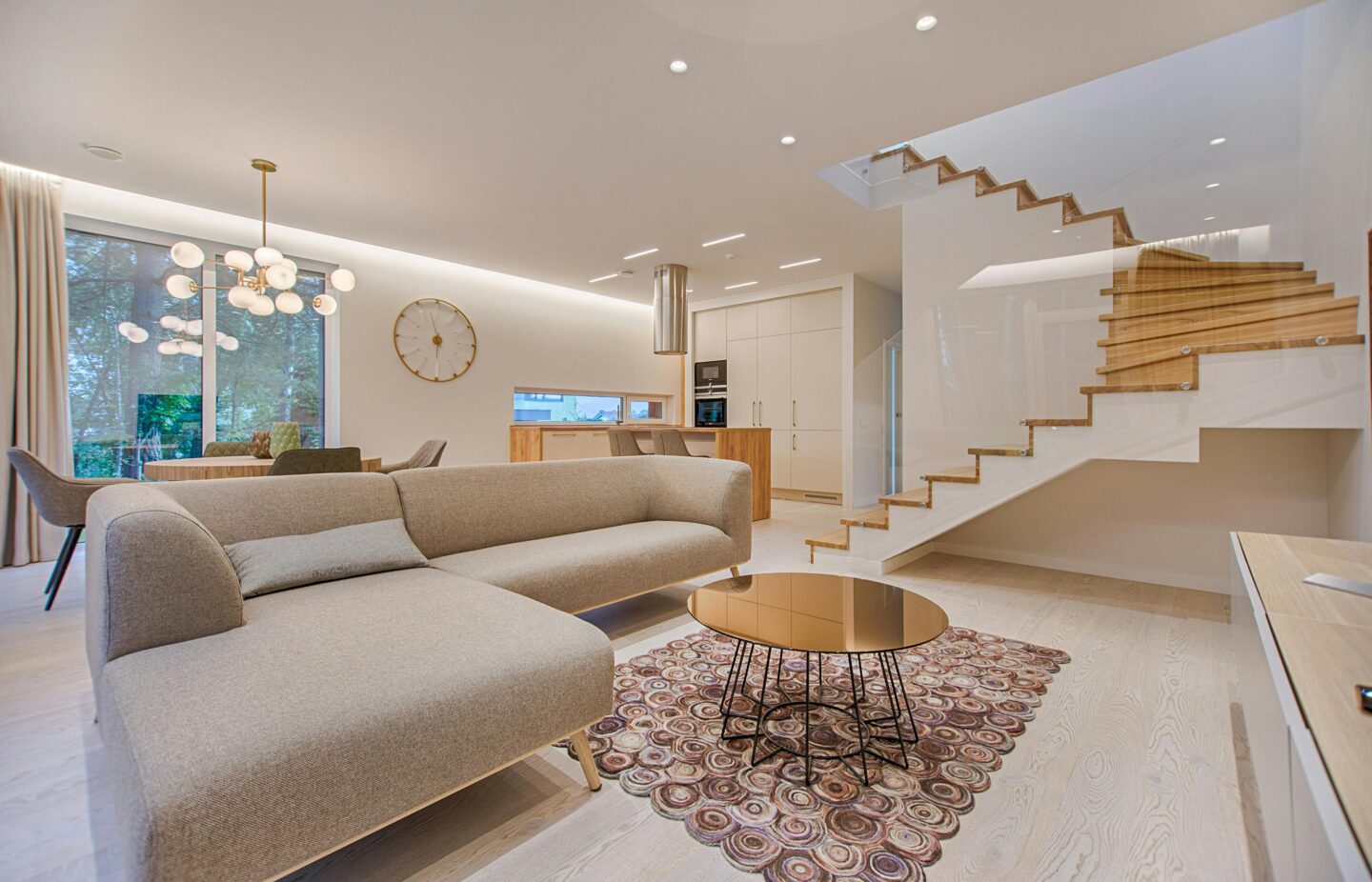
Choosing colour and texture
Colour and texture play a major role in shaping the mood of your home. When selecting wall colours, furniture finishes, and textiles, think about how they interact with your home’s flooring. For example, warm timber floors pair beautifully with earthy tones, while cool grey flooring complements soft blues, greens, and neutrals.
Textures, whether in upholstery, rugs, or wall treatments, add depth and interest to your space. Mixing soft fabrics with harder materials like wood, metal, or stone creates balance and visual appeal.
Statement walls are not limited to colour alone. Texture can be just as impactful, adding depth, character, and visual interest to a room. From natural materials like timber and stone to modern 3D panels or textured wallpapers, incorporating tactile elements can transform a flat surface into a focal point.
Carefully chosen textures complement your furnishings, lighting, and home flooring, helping to create a cohesive and dynamic space that feels intentional and inviting.
Lighting your space
Lighting is more than just a practical necessity; it transforms the way your home feels. Layering different types of lighting, such as ambient, task, and accent lights, allows you to adjust the atmosphere depending on the time of day or activity.
Here are a few lighting options to consider:
- Recessed ceiling lights for general illumination
- Desk lamps, under-cabinet lighting, or bedside lamps for tasks
- Wall sconces, picture lights, or pendant lights to highlight features
A well-lit home not only feels inviting but also enhances the colours, textures, and design features you have carefully chosen.
Accessorise thoughtfully
Once the larger design elements are in place, accessories help personalise your space. Artworks, cushions, rugs, and décor objects add character and personality, completing the look.
When accessorising, keep scale and proportion in mind. Avoid overcrowding surfaces or walls. Choose a few standout pieces that complement your colour palette and furniture, creating a curated and cohesive finish. Consider layering textures and materials, such as a woven basket for storage, a soft pouf for extra seating, or a small lamp with a unique design. Just be mindful not to overcrowd small spaces, allowing each element to breathe and be appreciated.
Bringing your vision to life
Mapping out your perfect space is a combination of careful planning, thoughtful selection of furniture and finishes, and attention to detail. By starting with a floor plan, considering scale and zoning, layering colour, texture, and lighting, and finishing with well-chosen accessories, your home can become both functional and beautiful.
A well-planned home ensures that every element, from your home flooring to the smallest décor piece, works together to create a space you love to live in. Thoughtful design allows your home to reflect your personality while remaining practical for everyday life.
Thank you for reading.







