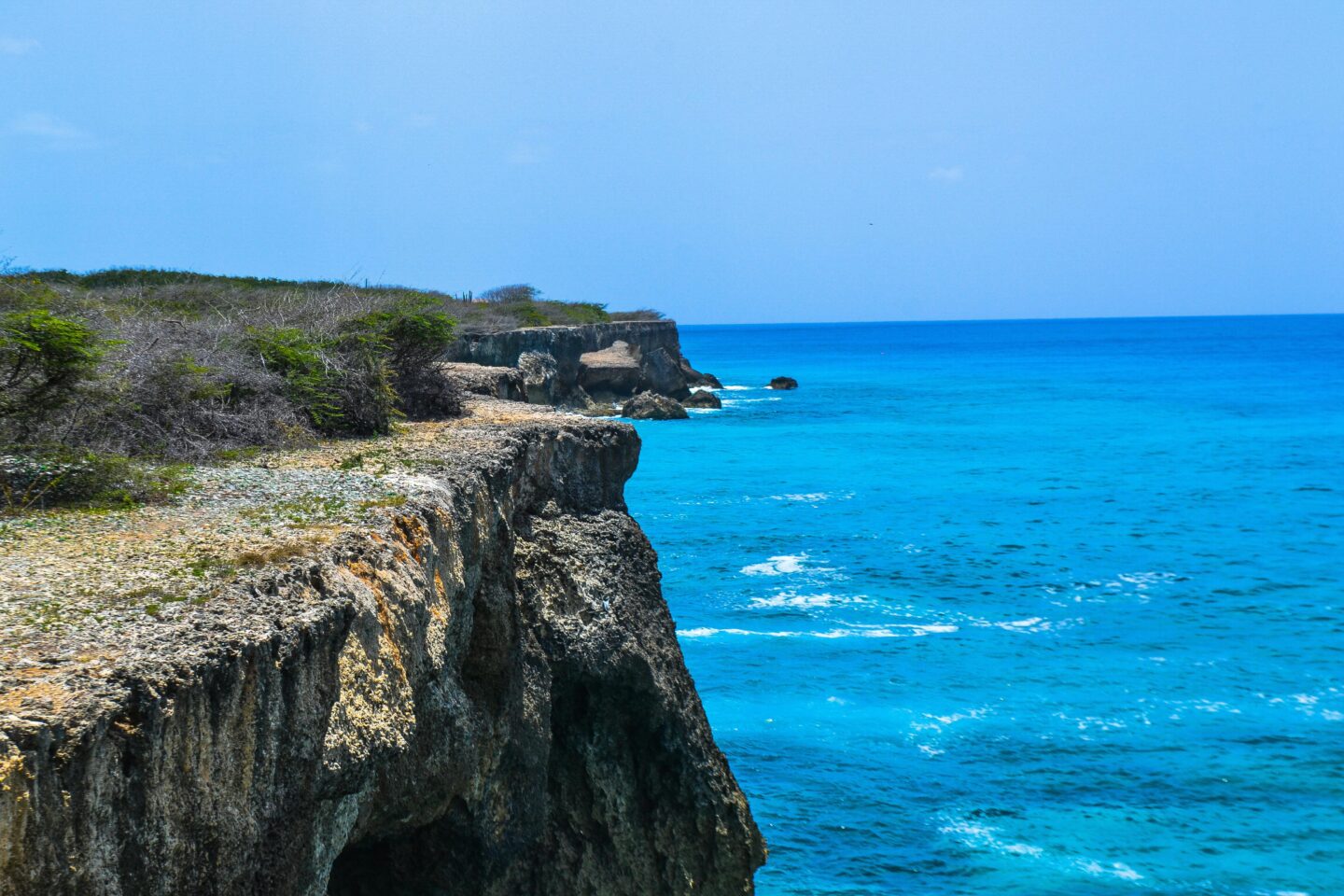
Planning a voyage to the Galapagos Islands represents one of the most thrilling travel decisions you’ll ever make. These volcanic islands, scattered across the Pacific Ocean, offer wildlife encounters and landscapes found nowhere else on Earth. However, with dozens of cruise operators and vessels to choose from, selecting the right experience can feel overwhelming. This guide will help you navigate the options and find a cruise that transforms your Galapagos adventure into an unforgettable journey.
Understanding Vessel Categories and What They Mean for Your Journey
Galapagos cruises operate on vessels ranging from budget-friendly yachts to ultra-luxurious expedition ships. The category you choose dramatically impacts your overall experience, from cabin comfort to dining quality and guide expertise.
Tourist class vessels typically accommodate 12-16 passengers in basic cabins with shared facilities. First class options offer private bathrooms and more spacious accommodations. If you’re seeking the best luxury Galapagos cruise experience, you’ll want to explore expedition ships that provide suites with panoramic windows, premium bedding, and exceptional service standards.
Consider what matters most to you. Are you content with simple accommodations if it means spending less? Or do you value returning to a comfortable sanctuary after each day’s adventures? Your budget and priorities should guide this fundamental decision.
Choosing the Right Itinerary Length and Route
Galapagos cruises typically range from four to eight days, with each itinerary visiting different islands. Longer cruises allow you to explore more remote locations and experience greater wildlife diversity.
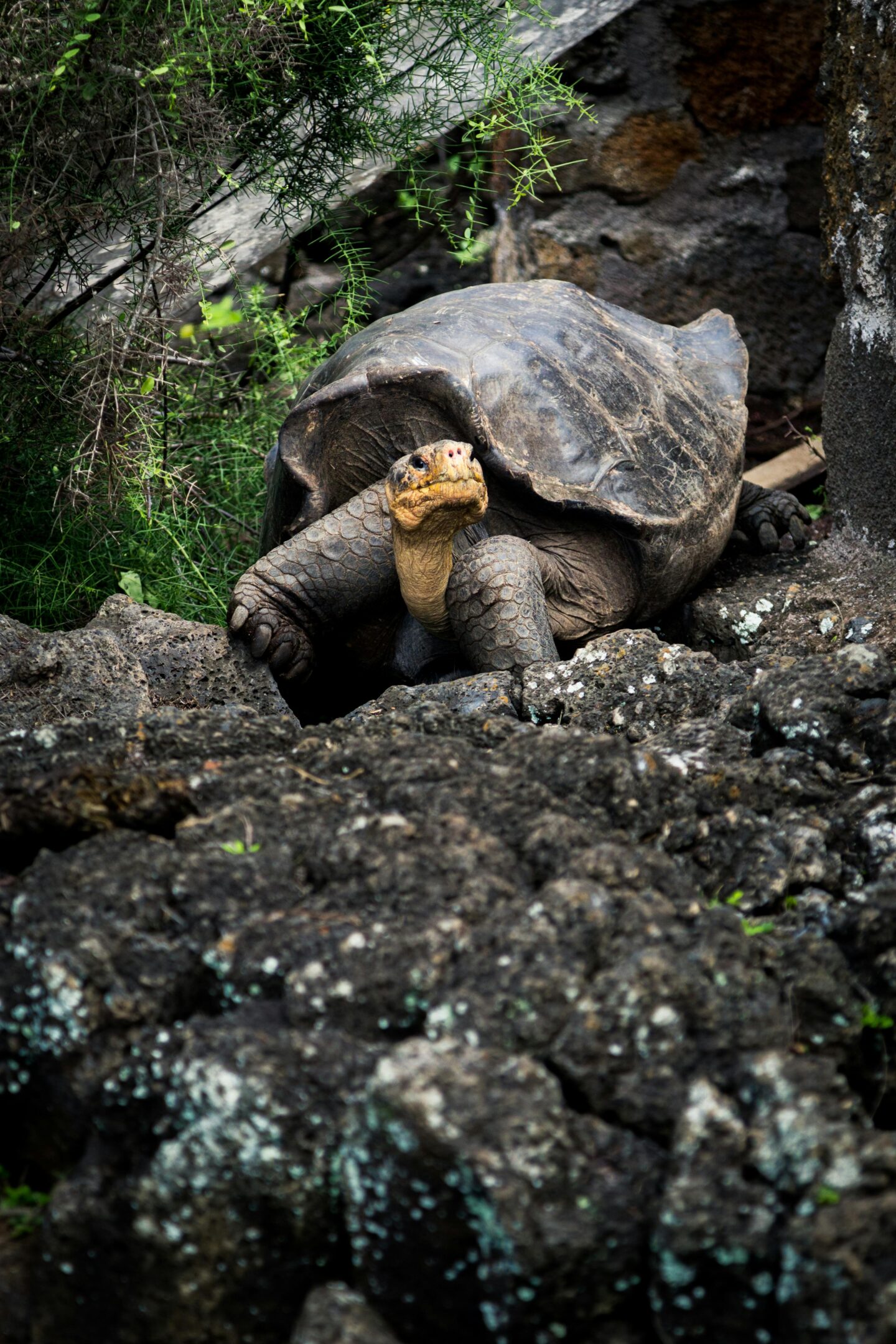
The archipelago is divided into distinct zones, each offering unique attractions. Western itineraries feature the youngest volcanic landscapes and marine iguanas of Fernandina. Northern routes take you to Genovesa Island, a birdwatcher’s paradise. Central and southern paths showcase the famous giant tortoises and diverse terrain.
Research which animals and landscapes captivate you most, then match your interests to specific itineraries. Remember that no single cruise visits all islands, so prioritize your must-see locations and accept that you’ll need to return for a complete exploration.
Evaluating Naturalist Guides and Educational Programs
Your naturalist guide shapes your entire Galapagos experience. These experts interpret the islands’ ecology, geology, and wildlife behavior, transforming simple sightings into profound learning moments.
The Galapagos National Park certifies guides at three levels. Level three guides possess the highest qualifications, speaking multiple languages and offering deeper scientific insights. Premium vessels typically employ these top-tier guides and maintain lower passenger-to-guide ratios.
Ask potential cruise operators about their guides’ credentials and the typical group size during excursions. Smaller groups mean more personalized attention and better opportunities to ask questions. Some luxury operators also feature guest lecturers, photographers, or marine biologists who enhance the educational experience.
Assessing Onboard Amenities and Dining Quality
Life aboard your vessel matters significantly, especially on longer voyages. Modern expedition ships offer amenities like jacuzzis, spacious sun decks, well-stocked libraries, and comfortable lounges for socializing or relaxing.
Dining represents another crucial consideration. Budget vessels serve simple, cafeteria-style meals, while luxury ships employ professional chefs who create gourmet cuisine using fresh, local ingredients. Some vessels accommodate dietary restrictions more gracefully than others.
Consider the social atmosphere you prefer as well. Smaller yachts foster intimate group dynamics, while larger ships offer more privacy and diverse social opportunities. Neither option is inherently better; they simply cater to different preferences.
Timing Your Visit for Optimal Wildlife Encounters
The Galapagos offers year-round wildlife viewing, but seasonal variations affect what you’ll see. December through May brings warmer waters, calmer seas, and nesting seabirds. June through November features cooler temperatures, nutrient-rich waters that attract whales and dolphins, and dramatic mating displays from blue-footed boobies.
Consider your wildlife priorities when booking. Want to see newly hatched tortoises? Plan for February through April. Hoping to snorkel with playful sea lion pups? September through November is ideal.
Weather conditions also vary seasonally. The warm season brings occasional rain showers but calmer seas, while the cool season offers drier days but choppier waters. If you’re prone to seasickness, the warm season might suit you better.
Making Your Final Decision
Choosing an exceptional Galapagos cruise requires balancing multiple factors: budget, comfort preferences, itinerary interests, and travel dates. Start by identifying your non-negotiables, then research operators who meet those criteria.
Read recent reviews from multiple sources, paying attention to comments about guides, food quality, and how well operators handled unexpected situations. Contact cruise companies directly with specific questions about their vessels and itineraries.
Remember that the Galapagos offers transformative experiences regardless of which cruise you choose. By thoughtfully considering these factors, you’ll select a voyage that aligns perfectly with your expectations, creating memories that last a lifetime.
Thank you for reading.