Most homes and businesses rely on regular trash collection to manage everyday waste. But when it comes to disposing of bulky furniture, renovation debris, or large appliances, standard trash pickup often falls short. This is where junk removal comes into play.
Although both services involve hauling away unwanted items, traditional trash collection and junk removal differ significantly in scope, scheduling, handling, environmental impact, and cost structure. Understanding these differences helps homeowners and business owners choose the right option for their needs.
Traditional trash collection
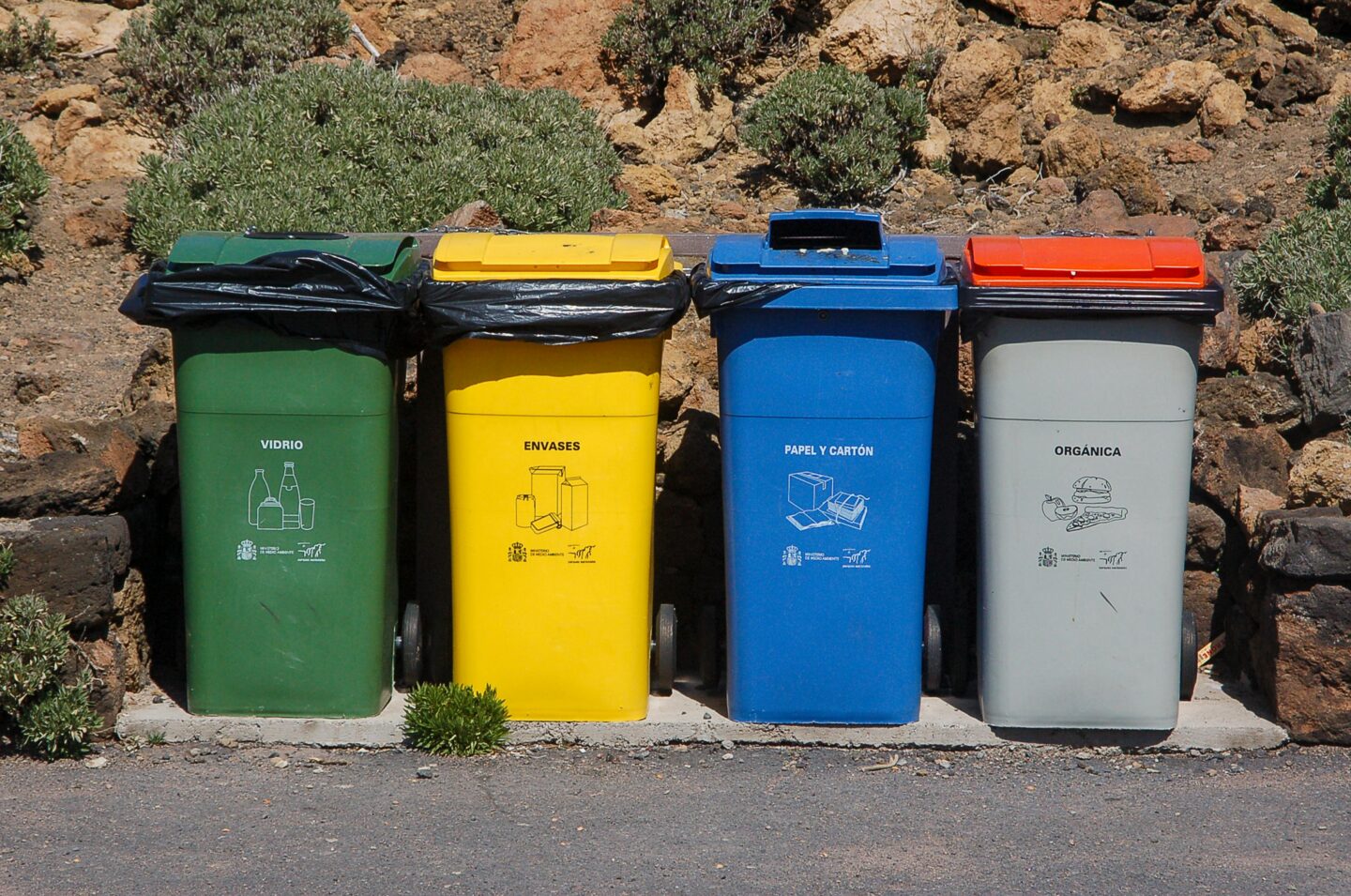
Traditional trash collection is designed to handle routine waste generated on a daily or weekly basis. This typically includes household garbage, packaging, and designated recyclables. Municipal or contracted waste management companies collect this material on a fixed schedule. The service is intended for consistent, small-scale disposal rather than large cleanouts.
Junk removal
A junk removal service focuses on non-routine, oversized, or bulk items that cannot fit into standard bins. These services are designed to remove larger materials that require special handling. Examples include furniture, appliances, mattresses, yard debris, and construction waste. Junk removal addresses situations where traditional trash services are not equipped to manage the volume or size of items.
Types of items collected
The most noticeable difference between the two services lies in the types of materials accepted.
Items collected through trash services
Traditional trash collection typically includes:
- Bagged household garbage
- Food waste
- Paper and cardboard (if part of recycling programs)
- Plastic and metal recyclables
- Small, lightweight items
There are usually strict guidelines regarding weight limits, container size, and acceptable materials.
Items handled by junk removal
A Junk removal service covers materials such as:
- Sofas, tables, and chairs
- Refrigerators, washers, and dryers
- Construction and renovation debris
- Office furniture and equipment
- Yard waste in large volumes
- Estate or property cleanout materials
These items often exceed the size or weight restrictions imposed by municipal trash collection.
Scheduling and service processes
Fixed, recurring trash pickup
Trash collection follows a predictable schedule. Residents and businesses place bins or bags curbside on designated days. The service is automatic and recurring, regardless of volume (within set limits). This makes trash collection convenient for everyday waste management.
On-demand junk removal
Junk removal, by contrast, is appointment-based.
Customers schedule a time for a crew to arrive and assess the materials that need to be removed. Because it is typically a one-time or occasional service, it is ideal for:
- Moving or downsizing
- Renovation projects
- Property cleanouts
- Seasonal decluttering
The flexibility of a junk removal service makes it well-suited for non-recurring disposal needs.
Labor and handling
Curbside placement for trash
With traditional trash collection, residents or business owners are responsible for placing items at the curb. Waste must be bagged or contained according to local regulations. If items are too large or heavy, they may be rejected by the collection crew.
Full-service hauling with junk removal
Junk removal services provide a higher level of assistance. Crews typically enter homes, offices, or job sites to lift, carry, and load items into their trucks. This full-service approach eliminates the need for customers to handle heavy or bulky objects themselves. It is especially beneficial for large furniture, appliances, or construction debris that require multiple people to move safely.
Environmental impact
Environmental considerations differ between the two services.
Traditional waste management
Municipal trash collection generally transports waste to landfills or centralized recycling facilities. While recycling programs exist, contamination and mixed waste can reduce diversion rates. The primary goal of traditional trash collection is efficiency and routine disposal rather than recovery.
Recycling and donation focus with junk removal
Many junk removal companies prioritize sorting and diversion. Recyclable materials such as metal, cardboard, and electronics are often separated before disposal. Usable furniture and household goods may be routed to donation centers. This emphasis on reuse and recycling can reduce landfill contributions and support community organizations. Choosing a responsible Junk removal service increases the likelihood that materials will be handled sustainably.

Cost structure
Cost is another key difference between the two services.
Municipal fees for trash collection
Trash collection is usually included in municipal taxes or billed as a standard utility fee. Costs are relatively fixed and predictable. Because it handles routine waste, pricing does not typically fluctuate based on volume within established limits.
Volume-based pricing for junk removal
Junk removal services charge based on factors such as:
- Volume of material
- Type of items
- Labor required
- Accessibility of the site
Because it is a specialized, on-demand service with hands-on labor, pricing reflects the scope of the job. While junk removal costs more per visit than weekly trash pickup, it provides comprehensive support for larger disposal needs.
Choosing the right option
Understanding the distinction between traditional trash collection and junk removal allows property owners to select the most appropriate service.
Trash collection is ideal for:
- Daily household waste
- Small-scale recyclables
- Consistent weekly disposal
Junk removal is best suited for:
- Large furniture and appliances
- Construction debris
- Estate or office cleanouts
- One-time decluttering projects
Both services play an important role in waste management systems. They complement rather than replace one another.
Two services, different purposes
Traditional trash collection and junk removal serve distinct but complementary functions. By understanding these differences, homeowners and businesses can make informed disposal decisions that balance convenience, safety, and environmental responsibility.
Thank you for reading.
*Sponsored Blog Post







