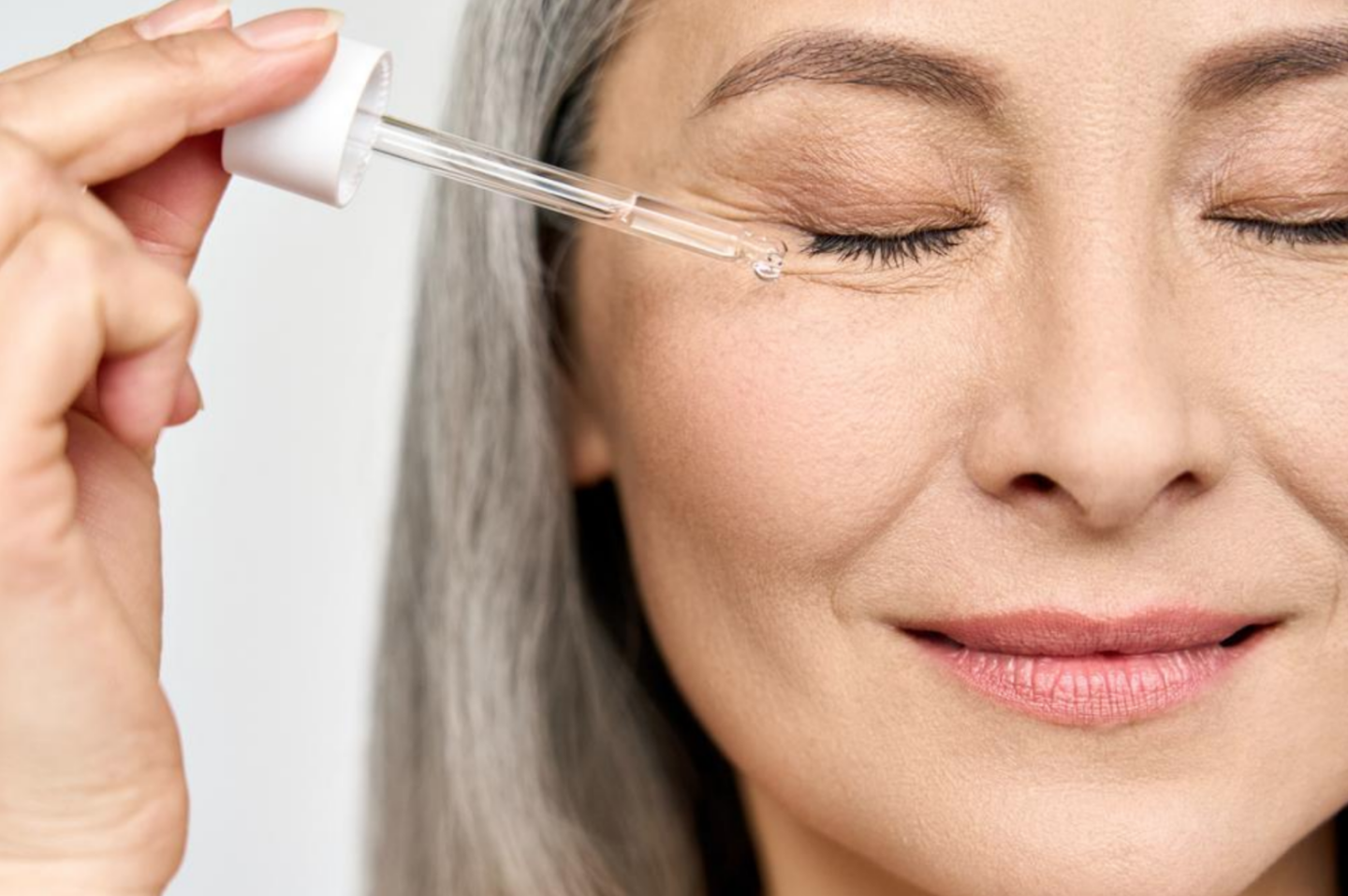
Let’s be real: skin changes as you get older are normal, but dealing with that sudden, parched feeling in the middle of winter? That’s a whole other story. As we hit our 50s, our skin naturally decides to break up with moisture, leaving us dealing with tightness, flaking, and that nagging midday itchiness that makes even your favorite foundation feel like a mask.
You’ve probably noticed it around your eyes first. That delicate area is always the whistleblower for dryness because the skin is the thinnest in comparison to other areas of your face and body. Suddenly, the long-wear formulas you used to love feel heavy or irritating. But here’s the good news: you definitely don’t need to stop wearing makeup. You just need to upgrade your toolkit by making smart swaps like finding a quality eyeshadow stick and shopping for more nourishing formulas. From prepping your canvas to choosing the right textures, here are nine ways to ensure your makeup looks as good as it feels.
Tip 1: Start With Skin Comfort, Not Coverage
When your face is feeling parched or prickly, the instinct is often to cover it up. But let’s pause there: slathering heavy coverage on dry skin usually backfires. Instead of hiding imperfections, thick formulas have a nasty habit of clinging to dry patches and settling into fine lines, spotlighting the very texture you’re trying to soften.
The fix? Shift your focus to prep. Treating your skin to a serious dose of hydration before you even reach for a brush changes the game. When you focus on calming and moisturizing that barrier first, you’re creating a smooth, healthy canvas. The result is makeup that glides on rather than drags, staying comfortable and itch-free from your morning coffee to your evening cleanse.
Tip 2: Choose Clean Beauty Formulas to Minimize Irritation
As you navigate your 50s, you might find your skin becoming significantly less forgiving. Ingredients that never used to bother you can suddenly cause a flare-up, making label-reading an essential skill. Here’s where clean beauty steps in as your routine’s best ally. By prioritizing transparency and thoughtful formulation, these products take the guesswork out of avoiding the harsh chemicals and fillers that often trigger redness.
Curating a lineup with fewer potential irritants keeps your complexion calm, even when harsh winter weather tries to intervene. Even the American Academy of Dermatology suggests minimizing exposure to irritating ingredients as one of the most effective ways to soothe dry, itchy skin during the colder months by actively protecting your moisture barrier. Choosing gentler formulas like a moisturizing CC cream and a vegan tubing mascara simply ensures you stays comfortable all season long.
Tip 3: Be Mindful of Eye Makeup During Dry Weather
Winter air has a knack for making your eyes feel extra tender. While we all love a liner that refuses to budge, those heavy-duty formulas can feel like concrete on delicate, maturing lids. Worse yet, they often require a fair amount of tugging and rubbing to remove, causing friction that dry, sensitive skin definitely doesn’t need.
Instead of battling with stubborn products every night, reach for softer, flexible alternatives. You want formulas that offer plenty of definition and staying power but wash away easily at the end of the day.
Tip 4: Understanding What Tubing Mascara Is and Why It Helps
So what is tubing mascara? It’s a formula that works a little differently than traditional mascaras. Instead of just painting pigment onto your lashes, it forms tiny, lightweight “tubes” around each lash to create length and definition while being far less likely to flake or smudge throughout the day.
With fewer little specks under your eyes, there’s less temptation to wipe, rub, or tug at your delicate under-eye area. If you’re dealing with dryness, that reduced friction can make a noticeable difference in your daily routine and appearance.

Above: Thrive Causemetics Liquid Lash Extensions Mascara in shade “Elena”
Tip 5: Why Tubing Mascara is Gentler for Dry, Sensitive Eyes
Along with wear time, one of the biggest perks of tubing mascara is its easy removal process. Traditional mascaras (especially waterproof ones) often need oils, micellar water, or a bit of back-and-forth rubbing to fully dissolve. Repeated cleansing can leave dry, winter-prone, 50-plus eyes feeling even more irritated.
With tubing mascara, removal is typically more straightforward: simply hold a warm, damp cotton pad or washcloth on your lashes for a few seconds, then use light downward pressure to help the “tubes” release. No aggressive scrubbing, no harsh remover.
Tip 6: Opt for Creamy Non-Drying Eye Products
Powder shadows can sometimes cling to dryness, making texture more noticeable on mature lids. Cream-based formulas are often more forgiving because they sit more smoothly and feel more comfortable when skin feels tight or textured.
An eyeshadow stick is an easy alternative, both in the feel of the product and the convenience of packaging. Look for a crease-resistant formula with skin-conditioning ingredients (like vitamin E or shea butter) for extra comfort and more confident application. If it matters to you, choose options that are vegan and/or cruelty-free for an even more mindful swap.
Tip 7: Avoid Common Makeup Triggers for Itching
If your eye area gets itchy in the winter, your makeup might be actively triggering the problem. Fragrance-heavy formulas can be irritating so close to the eyes, and alcohol-forward products may leave already-dry skin feeling even tighter. It also helps to be mindful of waterproof makeup. While it’s great for staying power, it can sometimes require more intense removal when formulation doesn’t consider sensitivities, which can lead to extra rubbing and sensitivity.
A good rule of thumb is to keep your eye products as gentle and conditioning as possible, and pay attention to patterns. If the itching ramps up after using certain formulas or during colder months, that’s usually a sign they’re worth swapping out (or at least saving for special occasions and using sparingly).
Tip 8: Use a Lighter Hand With Eye Definition
When your eyes are feeling dry or sensitive, more product usually isn’t the answer. In fact, a softer touch usually looks prettier and feels better. Think gentle definition instead of heavy layers that can cling, flake, or start to feel uncomfortable as the day goes on.
If you want to try using less product in your daily routine, try putting the majority of the focus on your lashes rather than building a whole stack of eye products. A little lift and definition at the lash line can do a lot, and it usually means less tugging during application and way less rubbing when it’s time to take everything off. You’ll still get that polished look, but with less effort and less irritation.
Tip 9: Listen to Your Skin and Adjust Seasonally
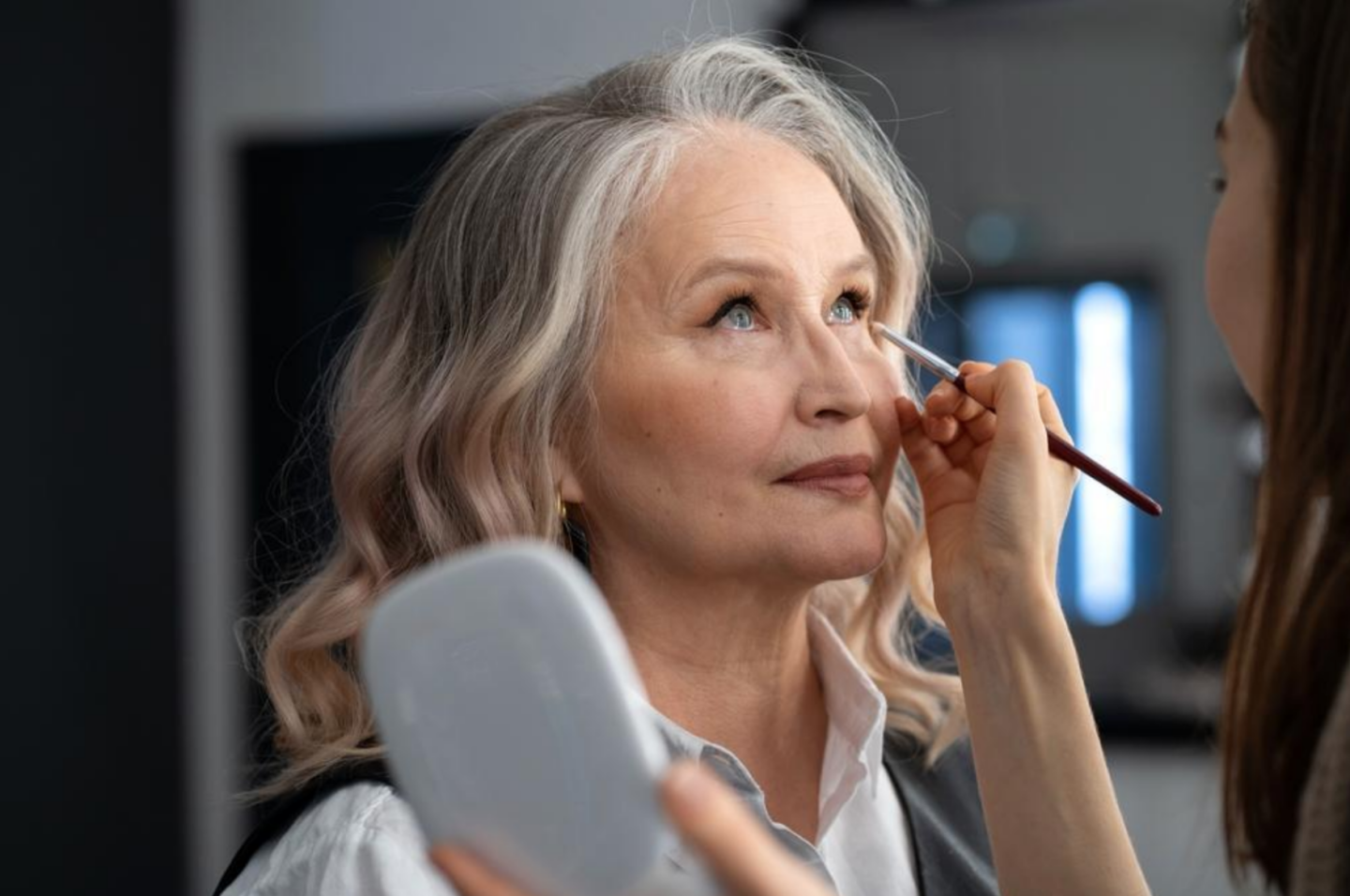
Your needs don’t stay the same year-round, and as dryness tends to increase with age, seasonal shifts can feel even more noticeable. A product that looks smooth and feels fine in summer can suddenly feel tight, itchy, or sit unevenly once cold air, wind, and indoor heat come into play.
Instead of forcing your usual routine to work, make a few minor seasonal edits. Winter is a good time to reach for more nourishing, “flexible” formulas that move with you (creamier textures, hydrating prep, and less powder where you don’t need it), and to ease up on anything that requires a lot of rubbing to apply or remove. When irritation shows up consistently, take it as a signal to rotate that product out for a bit. You can always bring it back when your skin feels more balanced again.
Final Takeaway: Comfortable Makeup Starts With Smarter Formulas
Dryness or sensitivity shouldn’t force you to retire your makeup bag; it is simply a sign that your routine needs an update. The most flattering strategy is to prioritize hydration, ensuring that everything from your concealer to your lipstick provides moisture alongside pigment and definition.
When you choose creamy, conditioning formulas, you eliminate the friction of application and the risk of a patchy finish. You get a defined, luminous look without emphasizing texture or dryness. Your routine should be a source of confidence, not frustration. With these simple adjustments, you can reclaim the joy of applying your makeup and champion a vibrant, polished look well into your 50s and beyond.
Thank you for reading.