Termite trouble does not always start where you expect.
Many homeowners look inside first. They check skirting boards, door frames, floors, and cupboards. But some of the earliest clues may be sitting outside in the backyard.
Across Brisbane, the Gold Coast, and South East Queensland, warm weather, rain, gardens, and moisture can create the right setting for termites. That does not mean every backyard has a termite problem. But it does mean outdoor signs should not be ignored.
A small clue outside may point to a bigger risk inside.
Why the Backyard Matters
Termites often live and travel through soil. They look for moisture and timber. That makes backyards a common place for activity to begin.
They may be found around fences, tree stumps, garden beds, retaining walls, timber posts, or old sleepers. From there, they may move closer to the home.
The issue is that termites do not need a wide-open path. They can travel through hidden areas and small gaps. By the time a homeowner notices damage inside, the activity may have been building for some time.
This is why backyard clues matter. They may give an early warning before indoor signs appear.
Timber Sitting on the Ground
One of the biggest clues is timber touching soil.
This can include:
- Firewood stacked against a wall
- Old fence palings
- Garden sleepers
- Timber edging
- Offcuts from building work
- Old posts or planks left in the yard
Timber on the ground can hold moisture. It can also give termites an easy food source.
If timber is close to the house, it may increase the chance of termites moving toward the building. This does not mean termites are already inside. But it is a reason to pay closer attention.
Old Tree Stumps and Dead Wood
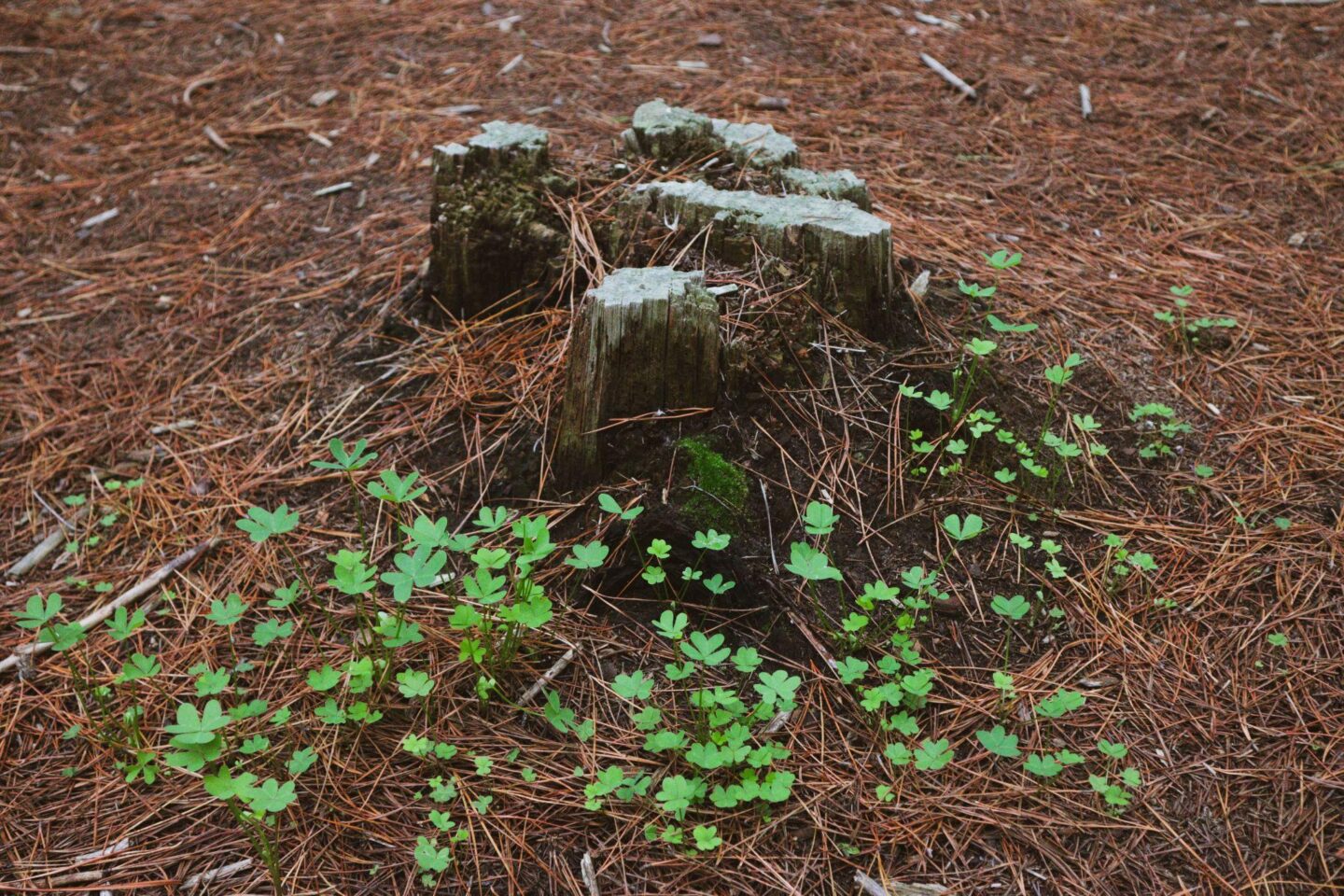
Old tree stumps can be easy to overlook.
They may sit in the yard for years without causing concern. But dead wood can be attractive to termites, especially when it is damp or breaking down.
The same can apply to fallen branches, rotting logs, and old roots.
If you notice soft timber, hollow areas, mud-like marks, or insects inside a stump, it may be worth taking a closer look. Avoid breaking it apart too much, as disturbing activity can make it harder to understand what is happening.
Garden Beds Close to the Home
Garden beds can make a home look neat and welcoming. But when soil, mulch, or timber edging sits hard against the house, it can also create hidden risk areas.
Mulch can hold moisture. Soil levels can cover parts of the slab or wall edge. Plants can hide cracks, weep holes, pipes, or entry points.
These are the kinds of areas homeowners often miss.
It helps to keep garden beds tidy and check around the edge of the home. Look for damp spots, soft timber, mud-like tubes, or areas where timber touches the ground.
Leaks, Damp Soil, and Poor Drainage
Termites are often drawn to moisture.
A leaking outdoor tap, dripping pipe, blocked drain, or wet patch beside the home can create a more inviting area.
In South East Queensland, heavy rain can also leave parts of the yard damp for longer. If water keeps pooling near the house, it may be worth checking why.
Signs to watch for include:
- Soil that stays wet
- Green patches near a leak
- Water pooling after rain
- Damp timber near the home
- Musty smells around outdoor areas
Moisture alone does not mean termites are present. But moisture plus timber can increase the risk.
Fences, Decks, and Retaining Walls
Outdoor structures can also show clues.
Timber fences, decks, steps, pergolas, and retaining walls are often exposed to weather. Over time, timber can soften, crack, or rot.
Sometimes damage is caused by age and moisture. Other times, termites may be involved.
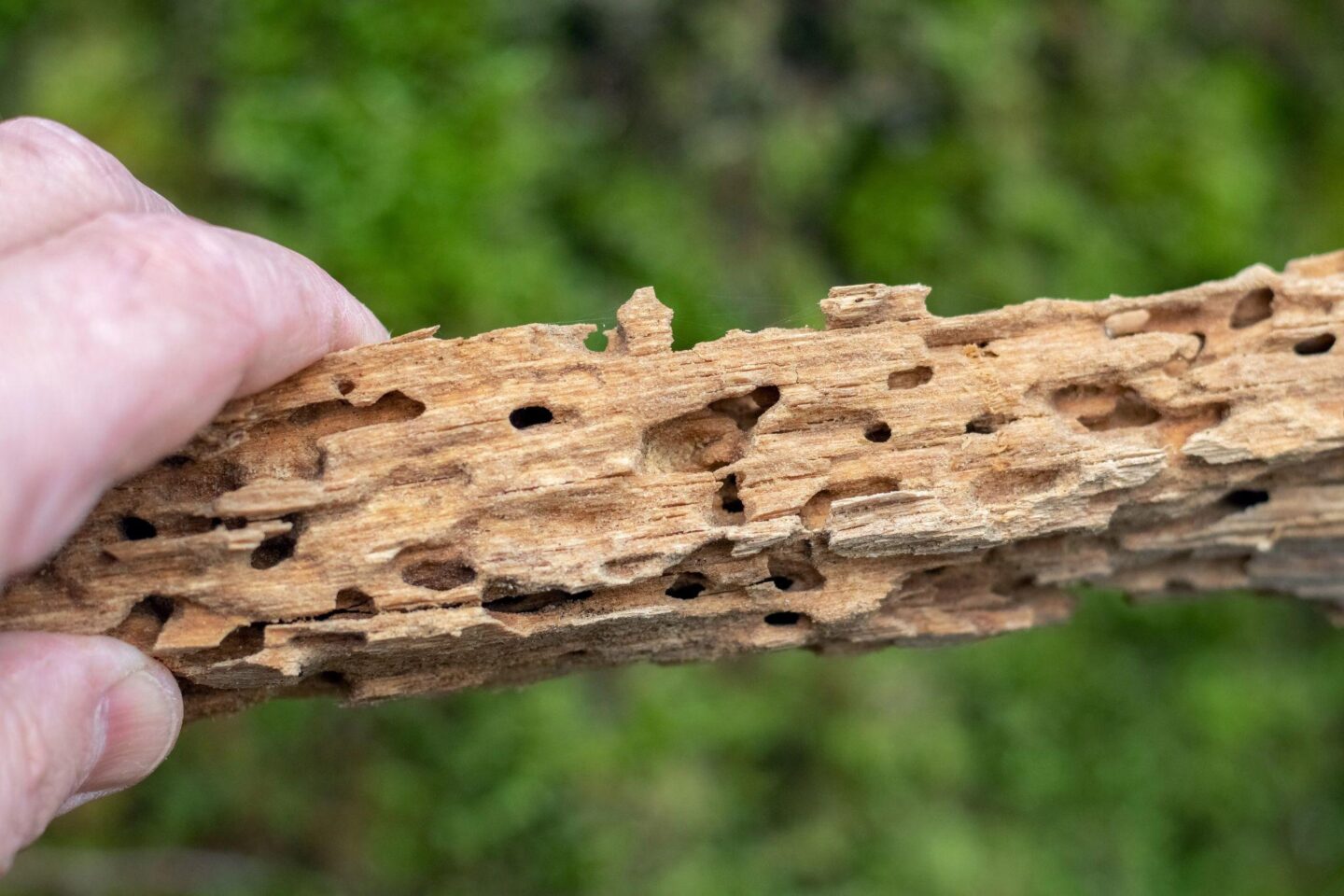
Look for timber that sounds hollow, breaks easily, looks blistered, or has thin papery layers. Also watch for mud-like lines or packed soil inside cracks.
If the structure connects to the home, the clue becomes more important. Termites found in a fence or deck may not be inside the house, but they may be close enough to matter.
What Homeowners Often Miss
The biggest mistake is thinking outdoor termites are separate from the home.
A homeowner may see activity in a stump or fence and think, “At least it is not inside.”
That may be true. But it may also be a warning that termites are active nearby.
Another common mistake is cleaning everything up before taking photos or getting advice. Removing timber, spraying insects, or breaking open damaged areas can change the signs.
If you find something worrying, take photos first. Note where it is. Then avoid disturbing the area further.
When Backyard Clues Should Be Checked
Not every backyard mark is a termite issue. But some signs should be taken seriously.
These include:
- Live termites
- Mud-like tubes
- Hollow timber
- Timber that breaks apart easily
- Damp timber close to the house
- Termite activity in fences, stumps, or sleepers
- Outdoor damage near walls, slabs, or entry points
Understanding how termite pest control is assessed across Brisbane, the Gold Coast, and South East Queensland can help homeowners know why outdoor clues should be checked before they are disturbed.
The aim is to understand whether the activity is isolated or linked to a wider risk.
A Backyard Clue Can Be an Early Warning
Your backyard can tell you a lot about termite risk.
Old timber, damp soil, leaking taps, garden beds, stumps, fences, and retaining walls can all give clues. Some may be harmless. Others may point to termite activity nearby.
The key is not to panic. It is to notice the signs early.
Check outdoor timber. Watch for moisture. Take photos if something looks wrong. Avoid spraying or breaking open damaged areas.
A small clue outside may help explain what is happening before termites become a bigger problem indoors.
Thank you for reading.







