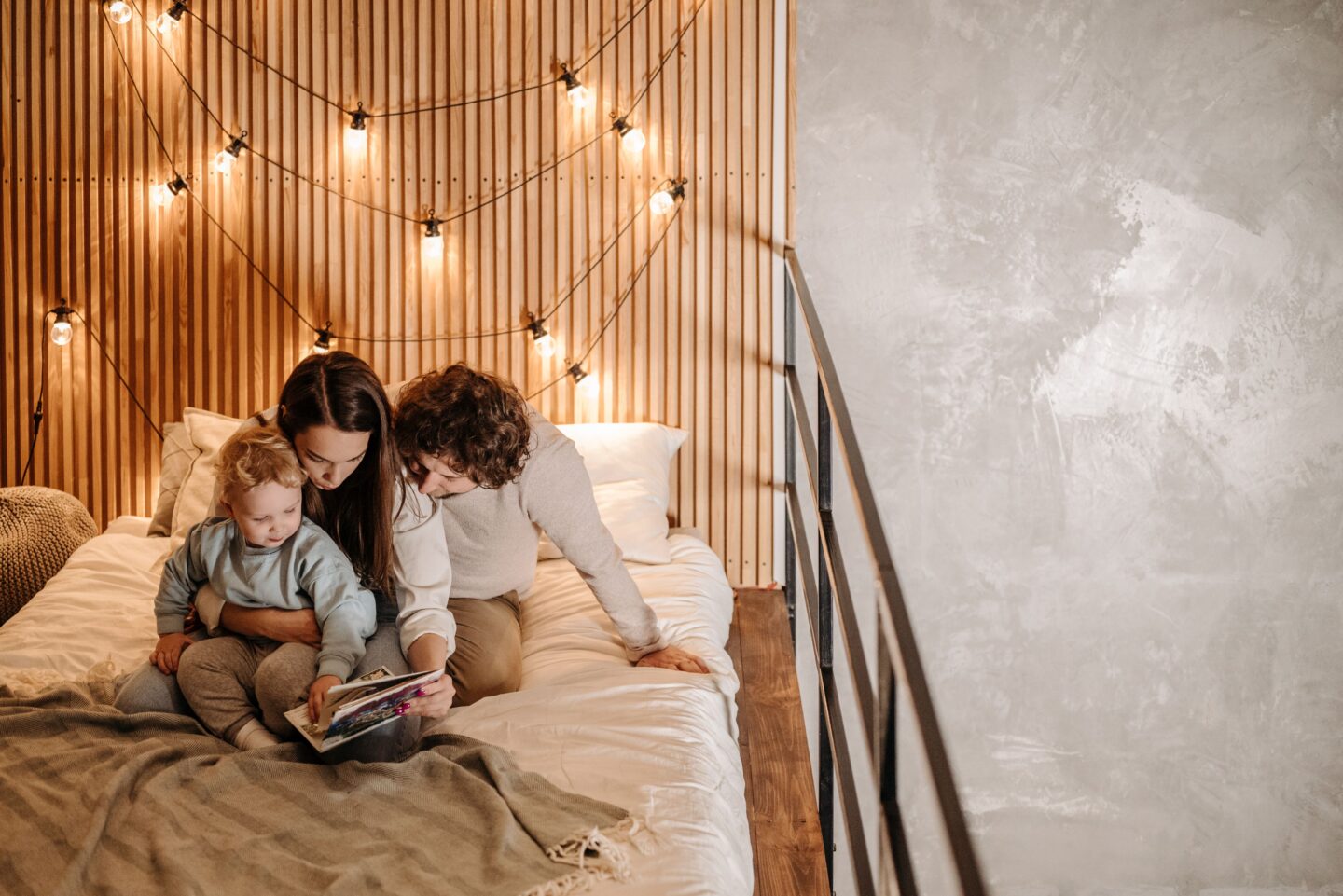
Family life changes over time. Ideally, your home will change with it, to suit the changing needs of each stage. For example, the rooms that suit a couple moving into their first home will not suit a household with young children, and those same spaces often need another update once those children turn into teenagers, and yet again when the kids leave home. Decorating with your current stage of family life in mind helps every room stay practical as well as comfortable. But what should you consider at each stage of family life? Here are some tips:
Sharing your first home
When you move in together, start by deciding which furniture and decorative pieces you both want to keep. Mixing older possessions with a few carefully chosen additions usually creates a more personal result than replacing everything at once. Remember, there’s no need to go overboard filling your new home with new things. For a start, you may not have much spare money when you’re just starting out, so it’s a good idea to be frugal – but also bear in mind that you’re likely to make several changes to your home in the years to come, so don’t waste money on pieces that might need replacing in a few years’ time.
If your walls feel bare but you haven’t built up a good dual income or savings yet, don’t worry. You can easily get some classy-looking canvas prints on a budget to decorate and personalise your first home. Pick artwork or pictures that match your shared taste rather than filling every wall with unrelated pieces.
Preparing for a baby
A nursery needs clear floor space, practical storage and furniture that leaves enough room for everyday tasks. Keep nappies, clothing and feeding supplies close to the changing area so you spend less time walking backwards and forwards.
Choose paint finishes that wipe clean easily and secure shelving firmly to the wall. Soft colours work well if you want a calm appearance, although brighter accents can add contrast without dominating the room.
As for the rest of the house – it’s time to baby-proof. Make sure that all tipping hazards are fully secured, that anything the baby could put in their mouth is kept out of sight, sweep the floor for loose cables, etc, and prepare for a good few years with toys, clothes, and general baby accoutrements absolutely everywhere. Robust, durable, and easily cleanable furniture and decor will be a big help to you during these years.
School years and teenagers
As children grow older, their bedrooms need room for schoolwork, hobbies and relaxation. Ask them which colours and decorations they want before making permanent changes. They are far more likely to look after a room they helped design.
Storage will also become very important throughout the house. Shelves, drawers and under-bed boxes keep books, clothes and sports equipment together without taking over the floor.
As your kids grow, the living room will become a place for playing and socialising as well as relaxing. Over time, your kitchen is likely to see heavier daily use, too. And the bathroom can become a battleground as the teenage years progress. So, choose furniture that stands up to everyday family life and keep frequently used items within easy reach. If you can, invest in vanity units and bedroom mirrors to keep teenagers from constantly occupying the bathroom.
After children leave home
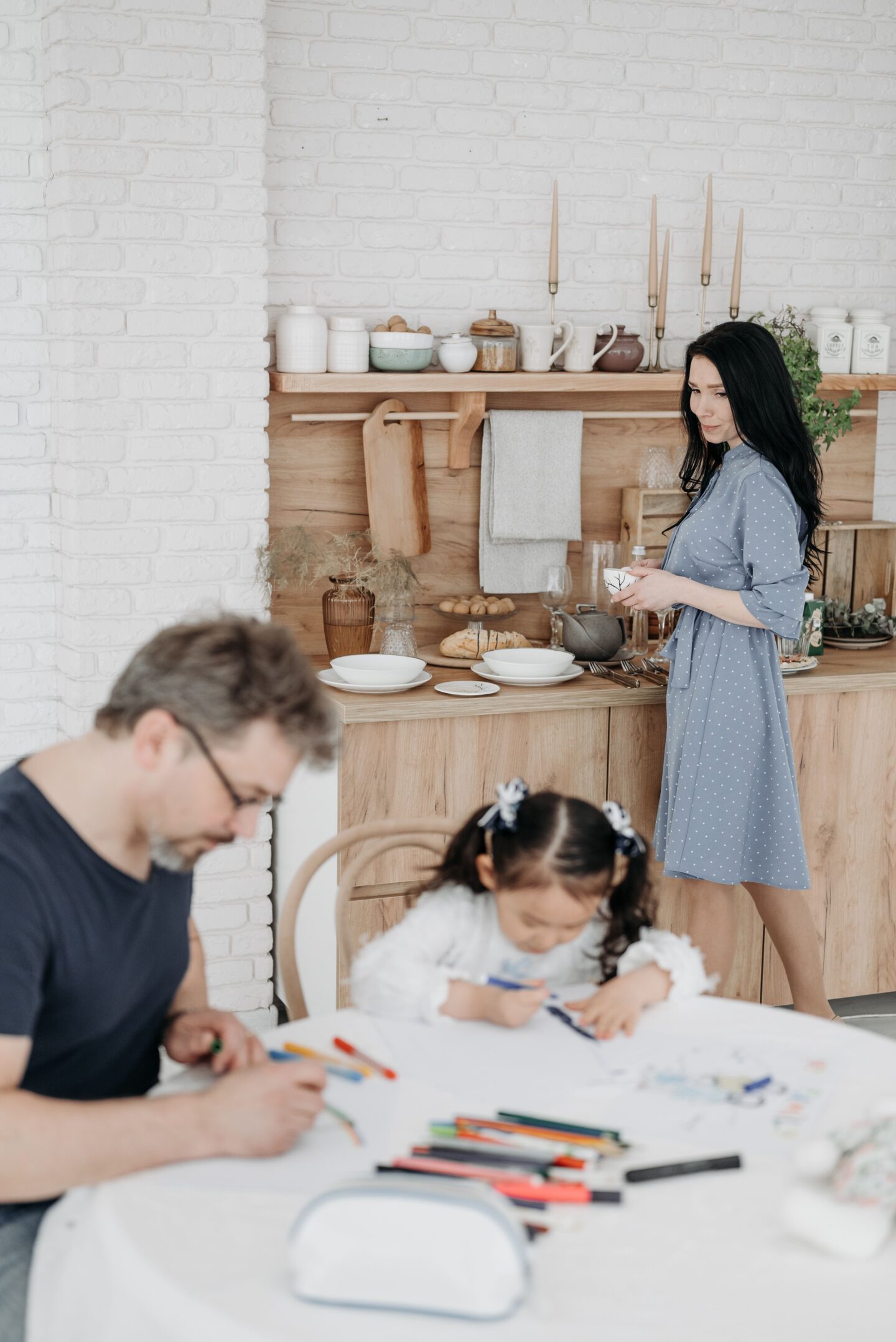
Once children move out, you will suddenly find yourself with a lot of spare space to play with. Decide how each spare room fits your daily routine, and adjust accordingly. For example, a bedroom might become a home office, while another works better as a hobby room or guest room.
Remember, you don’t have to redecorate the entire house at once. Fresh paint, different lighting or updated furniture in one room can drastically change the way you use that space.
Later life
As you get older, comfort and accessibility are likely to become more important. Good lighting, supportive seating and storage positioned at a comfortable height will make everyday tasks easier and more comfortable for you. So, remove furniture that blocks walkways, replace rugs that slip underfoot, and install mobility aids as and when needed (for example, grab bars in the bathroom). Those changes will improve day-to-day practicality without changing the overall style of your home.
Decorate for the way you live now
Every stage of family life brings different priorities. Review each room from time to time and decide whether it still suits the way you use it. A few well-planned changes often achieve more than a complete redesign.
Thank you for reading.







