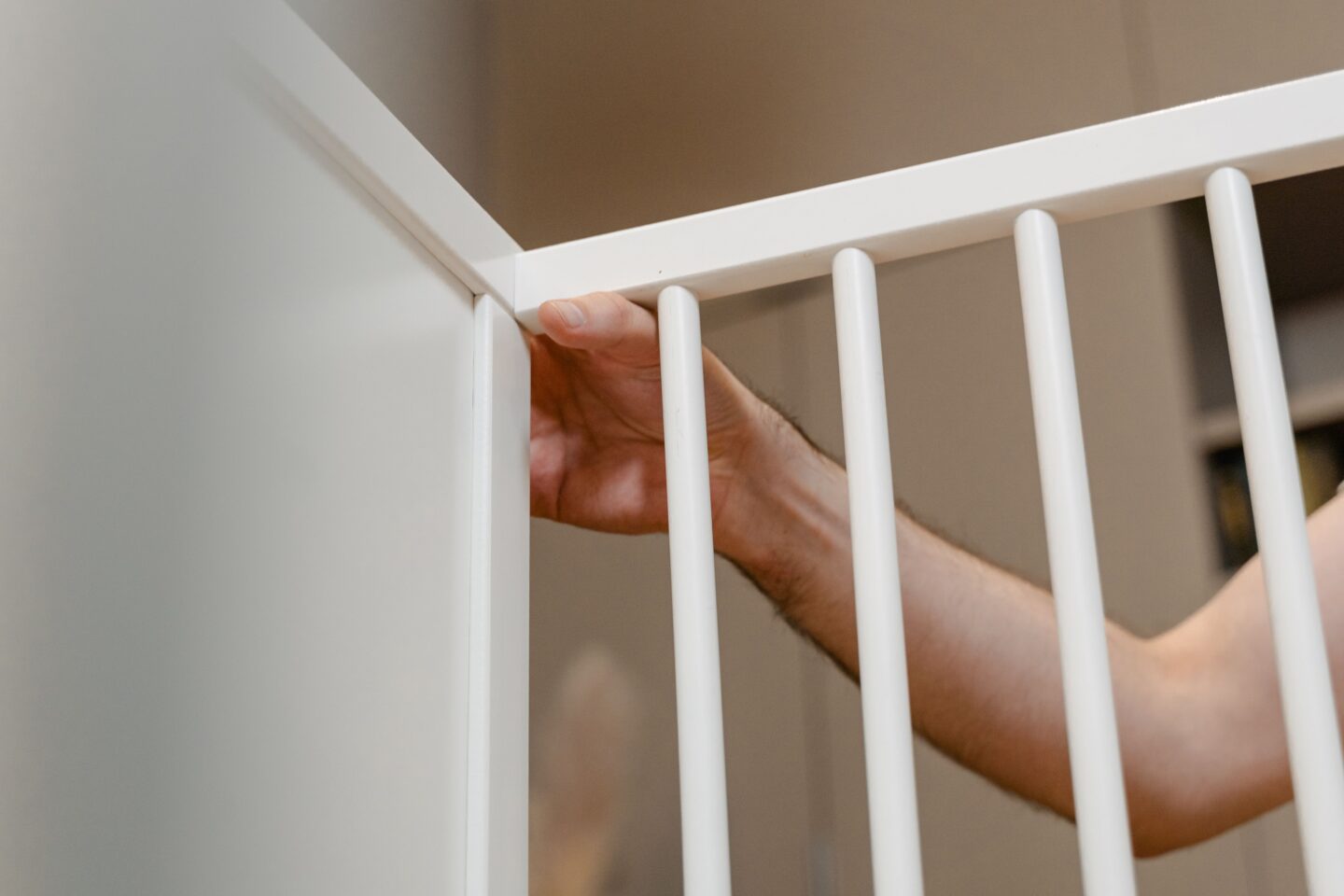
The moment your toddler takes those first unsteady steps, your home changes from a tranquil family sanctuary into a minefield of potential dangers. Every sharp corner, loose wire and unsteady bookshelf could be a danger. But you don’t need expensive professional contractors or to completely compromise your home’s aesthetics to effectively childproof. With one free weekend, a few basic supplies from the hardware store and some positive attitude, these simple DIY upgrades can make a big difference in your family’s safety.
-
Secure heavy furniture to the wall
Open drawers in heavy oak dressers, TV stands and tall bookshelves pose a serious tipping hazard for curious toddlers who use them as makeshift ladders or reach for toys on the top shelf. To avoid tragic tip-over accidents, anchor all tall or top-heavy furniture directly into wall studs using heavy-duty L-brackets or nylon anti-tip straps tested to high weight capacities.
Some furniture is positioned awkwardly away from the wall because of thick, decorative skirting boards that leave a gap and undermine the strength of the structure. The secret to a flush fit is to use an oscillating multi tool to make precise, controlled plunge cuts into the skirting board, removing just enough trim for the rear legs or side panels of the bookcase to slide flush against the plasterboard. This gives you a rock-solid, seamless anchor with no visible gap. To increase safety, install safety latches or drawer stops on all dressers to prevent children from opening multiple heavy drawers at the same time, as this significantly shifts the centre of gravity forward on the furniture.
-
Keep Hazardous Chemicals and Sharp Objects Away from them
When childproofing, don’t just focus on the nursery; look at high-risk areas in your home such as the kitchen, utility room, bathroom and garage. Young children can easily mistake brightly coloured laundry pods, dishwasher tablets, household disinfectants and sharp cutlery for toys or treats. Store all poisonous products and sharp utensils on high shelves or behind securely fastened doors. Consider making these targeted upgrades to be better organised and safe:
- Magnetic Cabinet Locks: Install hidden magnetic latches on all low-level cabinets, including those that store cleaning chemicals, medicines and glassware. Traditional plastic catch latches leave a gap where little fingers can get pinched, but magnetic locks are completely invisible from the outside and need a strong magnetic key to open.
- Modular & Lockable Workshop Storage: Keep power tools, sharp drill bits, razor blades and small hardware items securely in heavy-duty lockable tool boxes or wall-mounted steel cabinets in the garage or utility space to fully control access.
- High-level heavy-duty shelving: Use solid floating shelves or steel brackets at least five feet off the ground for automotive fluids, garden fertilisers, weedkillers and leftover paint cans, out of reach and out of sight.
-
Install secure stair gates and window restrictors
Newly mobile infants and adventurous toddlers are at serious risk of falling from open staircases and accessible upper floor windows. Always use hardware-mounted safety gates for the top of any staircase, and screw the hinges into wooden wall studs or solid bannister posts with heavy-duty wood screws. Don’t install pressure-mounted gates at the top of stairs — they don’t have a structural anchor point and can be easily dislodged if a child pushes or leans on them with their full weight (they’re still perfect for the bottom of the stairs or doorways).
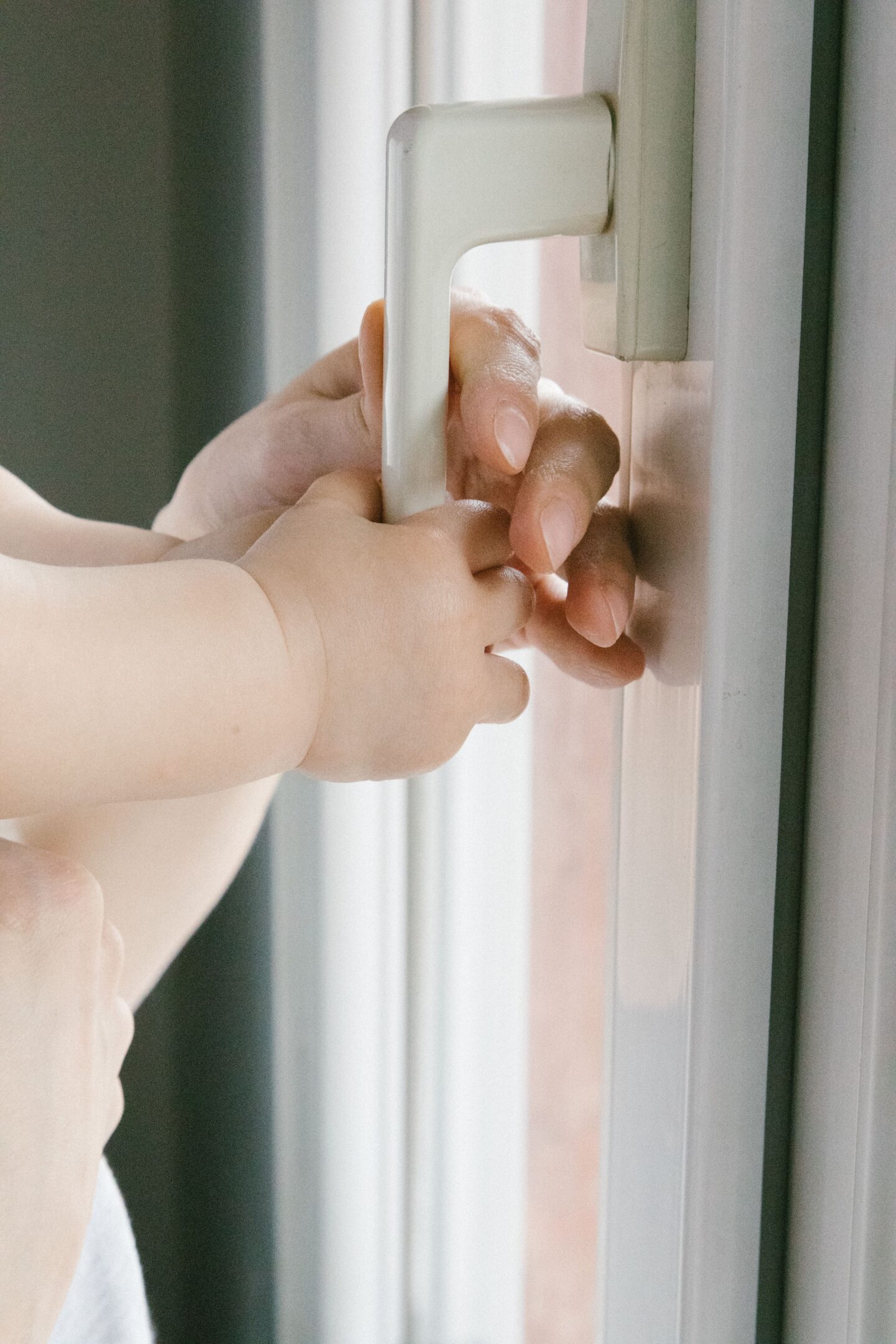
Fit metal window restrictor catches or key-operated cable locks to upper-level windows that can be opened no more than 10 centimetres (approx. 4 inches) wide. That means plenty of ventilation in the warmer months, and no way for a toddler to slide through or open the sash any further. Also, keep chairs, toy boxes and desks away from windows so they cannot be used as simple steps to climb.
-
Tame Trailing Cords and Blind Strings
Exposed cords and dangling cables are a serious strangulation hazard and can cause heavy appliances to fall off counters if pulled. Get down on your hands and knees and look around each room at floor level to see what hidden hazards you can find. Secure dangling cords of window blinds and chains of curtains with plastic safety cleats or cord winders, positioned at least 1.5 metres (5 feet) above the ground, well out of a child’s reach. Alternatively, you can switch to cordless roller blinds or motorised window shades for added safety.
For electrical wiring behind televisions, gaming consoles, desk workstations and bedside lamps, bundle loose wires together inside flexible split tubing or rigid self-adhesive PVC cable trunking fixed neatly along the baseboards. Cover exposed electrical sockets with safety outlet caps or install spring-loaded, self-closing outlet wallplates that automatically cover exposed slots when a cord is unplugged.
-
Soften Sharp Edges and Secure Internal Doors
Many living room pieces are lower to the ground, such as glass coffee tables, brick fireplace hearths, and low entertainment units. These low-to-the-ground pieces often have sharp, stiff edges at the level of a walking toddler’s eyes or forehead. Use strong, removable double-sided adhesive to stick high-density foam corner cushions and rubber edge guards to all sharp perimeters to prevent painful bumps and cuts.
They are also a major crushing hazard for small fingers, slammed shut by drafts or playful siblings. Place soft C-shaped foam door pinch guards on the top or edge of heavy wooden doors (at least 6 feet tall) to prevent them from slamming shut. This simple fix also means kids won’t be able to lock themselves in bathrooms or bedrooms when they’re exploring around the house during the day.
Conclusion
When you childproof proactively and systematically, you will provide your toddler with a safe and supportive environment in which he or she is free to explore and grow in independence without being at constant risk. You don’t have to do every project in one afternoon, so begin with high-risk, critical areas such as top-of-stair gates, anchoring heavy furniture, and chemical lockups, and then move on to secondary enhancements such as cable management and corner padding. One weekend on these DIY protections will give you priceless peace of mind while creating a safe, happy place for your child to grow, learn and play safely. Grab your tools, jot down a quick list, and get started today!
Thank you for reading.