
Once, the suit was the indisputable uniform of the professional world, a fabric fortress signaling authority and seriousness. Yet, the corporate attire that was once regarded as the panacea for all professional engagements has now been outflanked by a wave of sartorial flexibility. In recent years, the suit’s dominance has waned, giving way to casual wear and a reimagining of what professional presentation entails.
The Shift from Tradition
In many industries, the suit has shirked its previously unchallengeable status. Technology, creative fields, and even some finance sectors have shown a relaxed attitude toward formal wear, allowing employees to prioritize comfort and expression over traditional formality. The stiff conformity commanded by suits is seen as less necessary when gauging one’s competence or adaptability. The rise of open-plan offices and flat hierarchies further democratizes workplaces, discouraging the hierarchical symbolism that suits often imply.
Many employers today are recognizing the power of personal branding. In this context, employees are encouraged to express individuality through their attire. This transition allows professionals to align their attire with personal or company values, whether it be sustainability, creativity, or simplicity. The trend highlights an evolving understanding of professionalism—one where authenticity is a respected aspect of one’s professional persona.
Challenging Conventions
Casual Fridays have become casual every day in some companies. The traditional suit has been pushed to the back of wardrobes, replaced by chinos, jeans, and relaxed shirts. Proponents of this change argue that a relaxed dress code taps into the merits of individual uniqueness and creativity, a prized trait among those who aim to stand out rather than blend in. Thus, by dressing down, professionals might be seen as vibrant thinkers unrestrained by tradition.
In settings where tradition meets innovation, one can still offer a non-verbal articulation of professionalism by choosing distinct yet refined options like the Bryant black sharkskin suit. Such attire can help individuals meet the balance between structured elegance and contemporary sensibilities, allowing them to convey a message of refined professionalism without sacrificing personal style.
As companies become more globalized, dress norms are also reflecting the diversity of cultures and climates they operate in. This has facilitated a broader acceptance of varied styles that mirror the company’s global presence. A professional in Tokyo might adopt a different dress code than one in São Paulo due to local climate and cultural expectations. Thus, the melting pot of influences contributes to the evolving notion of what is deemed appropriate in the workplace.
When Suits Still Matter
Despite this trend, there remain bastions where the suit retains its relevance. The legal and financial sectors, for example, still largely uphold the suit as an embodiment of trust and capability. For clients in these industries, a suited professional can exude reassurance, competence, and respectability. Job interviews, board meetings, and formal gatherings continue to be frequent scenarios where the suit asserts itself. It silently communicates that, while some can afford to be relaxed, the consequences of a mistake in these spheres are rarely forgiving.
Moreover, for many, the decision to don a suit is a personal choice rooted in tradition and sentimental value. It may be a relic passed down from a mentor or worn during significant career milestones. A suit, in these contexts, is more than mere clothing—it is a talisman of past accomplishments and future aspirations, providing a comfort akin to stepping into a familiar role.
The Future Perspective
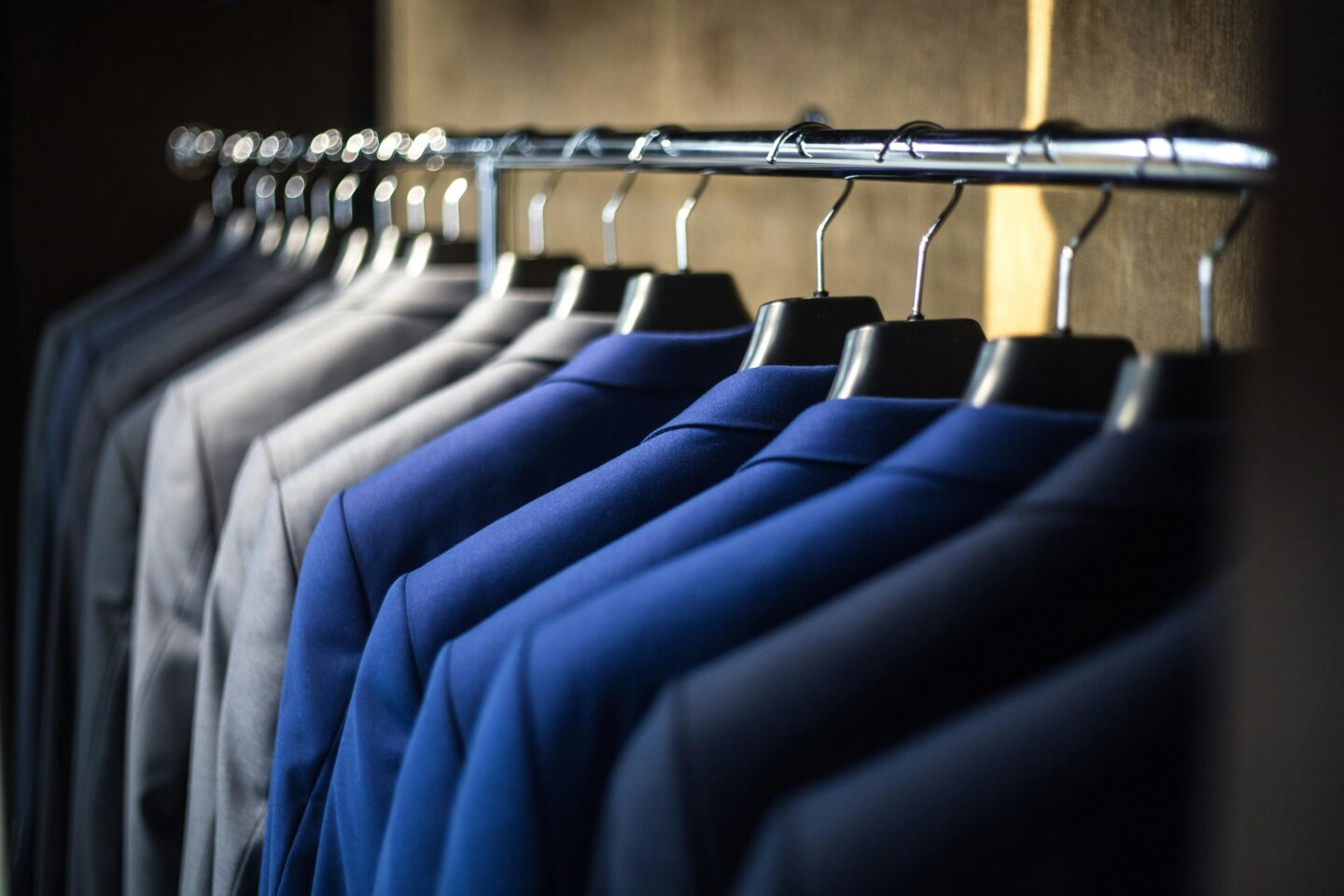
The suit is not poised for extinction but refinement. Industry experts predict the rise of hybrid styles—a balanced marriage of comfort and elegance. Sustainable and breathable materials, along with tailored fit adjustments, are being integrated into suit designs, ensuring those who still prefer suits, whether occasionally or regularly, do not sacrifice modern comfort.
While innovation in materials and design continues, alternatives like semi-formal separates are becoming more popular. Hybridizing formal elements with more relaxed pieces, such as a blazer paired with linen trousers, continues to gain traction. Such ensembles reflect a keen awareness of tradition while embracing a contemporary ethos of versatility and adaptability.
Managing First Impressions
Most professionals would agree: first impressions still matter. This truth underscores why many will occasionally reach for a suit, considering it an investment in presence and opportunity. The challenge lies in assessing when such formality is advantageous or superfluous. Context matters immensely, and the successful navigate this ambiguity by understanding the non-verbal cues their clothing communicates.
Despite relaxed norms, there remain certain gates that demand traditional attire to unlock. These occasions are less about adherence to dress codes and more about understanding the subtleties of perception. Whether attending a high-stakes negotiation or stepping into a vital presentation, leveraging the power of traditional formal wear can strategically bolster one’s assurance and poise.
Conclusion
In thrusting the suit from its pedestal, the corporate world acknowledges that platitudes and shoes can speak volumes, but are not the crowning voice of ability. The move away from suits underscores a wider societal trend towards valuing skills, ideas, and results over appearances. While suits continue to resonate in specific enclaves as a symbol of reliability, professionals today enjoy the freedom to query traditional constructs, forging paths not limited by wool and silk.
Thank you for reading.







