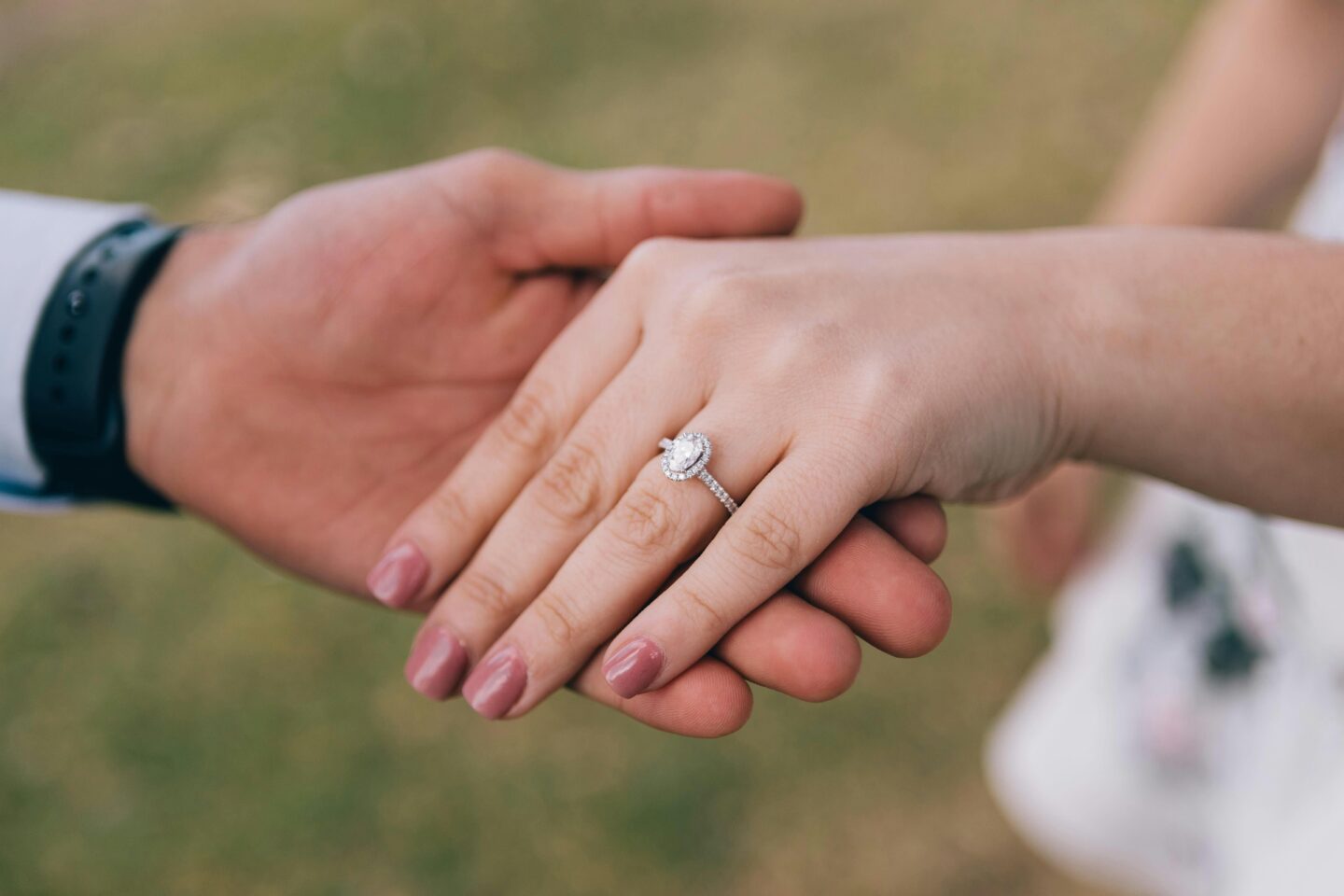
Cut Takes Center Stage
Diamond cut determines sparkle. Period. Industry leaders from GIA to De Beers agree that cut quality surpasses all other factors when evaluating diamonds. A well-cut diamond creates brilliance through precise light reflection and refraction. Poor cuts produce dull stones, regardless of size or color grade.
De Beers states that perfect cuts command higher prices than poorly cut diamonds, even when the latter are larger or rarer in color. The math is straightforward: light performance equals visual appeal. Buyers who prioritize cut report greater satisfaction with their purchases than those who chase carat weight alone.
The industry has moved away from “bigger is better” thinking. A 1-carat diamond with excellent cut outperforms a 1.5-carat stone with poor proportions. Light return, not size, creates the wow factor buyers seek.
Shape Selection Affects Your 4 Cs Strategy
Diamond shape directly impacts how you should approach the 4 Cs. Round brilliants hide color and inclusions better than elongated cuts. A J-color round brilliant might look white, while the same grade in an emerald cut shows warmth. Fancy shapes like ovals, pears, and radiant cut engagement rings typically cost 10-25% less per carat than rounds with comparable grades.
Cut quality standards also vary by shape. Princess cuts need different proportions than cushions for optimal light return. Emerald and asscher cuts rely on step faceting rather than brilliant faceting, making clarity more critical since inclusions become more visible. Some shapes, particularly marquise and pear, require careful attention to length-to-width ratios to avoid unflattering proportions.
Finding Value in Color and Clarity Grades
Smart buyers target specific grade combinations. H through J color diamonds appear nearly colorless to most eyes. The price difference between F and H color? Often 20-30%. Those savings buy better cut quality or larger carat weight.
Clarity follows similar logic. VS2 and SI1 grades frequently appear clean without magnification. Why pay for VVS1 clarity when inclusions remain invisible? Ouros Jewels and Brilliant Earth both recommend these “sweet spot” grades for maximum value.
Metal color affects perceived diamond color. Yellow gold settings make J or K color stones appear whiter. Rose gold provides similar masking effects. Platinum and white gold settings demand higher color grades since they provide no warm contrast.
Polish, Symmetry, and Fluorescence Matter
Secondary characteristics influence both appearance and price. Excellent polish creates smooth surfaces that enhance light reflection. Symmetry ensures proper facet alignment for optimal brilliance. Both factors work together with cut grade to produce maximum sparkle.
Fluorescence generates debate among buyers. Blue fluorescence can make diamonds appear whiter in sunlight. Some stones with medium fluorescence sell at discounts despite no visible negative effects. Buyers who understand fluorescence often find bargains others overlook.
Hearts-and-arrows patterns indicate precise symmetry in round diamonds. These patterns command premiums but provide measurable light performance improvements. Advanced light performance mapping now quantifies these benefits for buyers who want data-driven decisions.
Lab-Grown Diamonds Change the Equation
Laboratory-created diamonds follow identical grading scales. They offer 70% savings compared to natural stones. A buyer’s $10,000 budget might secure a 1-carat natural diamond or a 2-carat lab-grown stone with identical optical properties.
Resale values differ dramatically. Natural diamonds retain some value over time. Lab-grown stones lose most resale potential immediately after purchase. This trade-off suits buyers who prioritize immediate visual impact over long-term investment considerations.
Certification Protects Your Purchase
GIA, IGI, HRD, and GCAL provide reliable grading. These laboratories maintain strict standards and consistent evaluations. Uncertified diamonds pose risks regardless of the seller’s claims about quality.
Certification documents exact measurements, proportions, and characteristics. They enable accurate comparisons between stones. Without certification, buyers rely on seller descriptions that may overstate quality or hide flaws.
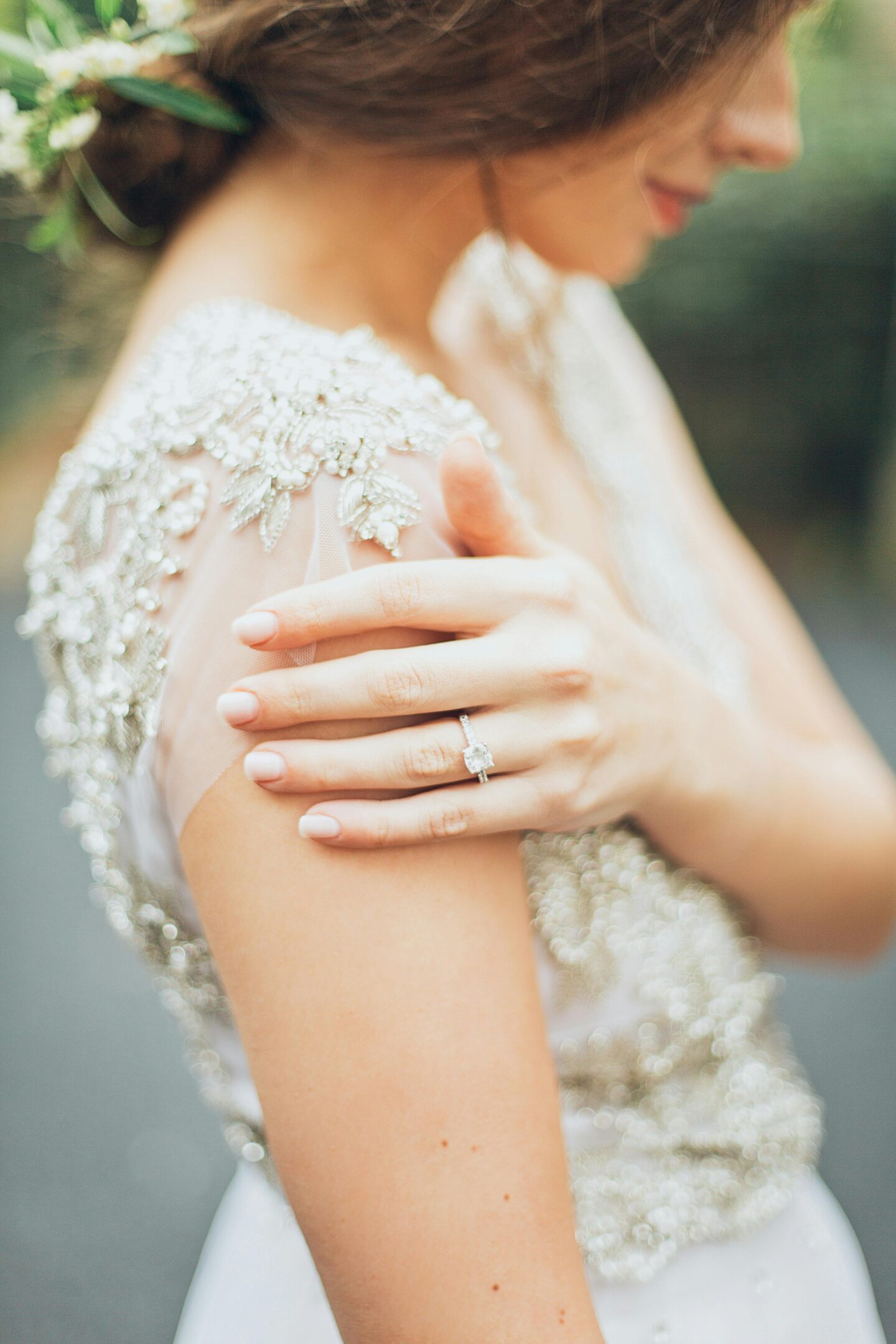
Price Points and Strategic Shopping
The 0.90 to 0.99 carat range offers exceptional value. These diamonds appear nearly identical to 1-carat stones but cost substantially less. The price jump at exact carat weights creates opportunities for informed buyers.
Grade combinations determine final prices. An Excellent cut, H color, VS2 clarity, 0.95-carat round brilliant represents optimal value for many buyers. This combination provides eye-clean appearance, near-colorless face-up color, and maximum sparkle within moderate budgets.
Non-round shapes stretch budgets further. Oval and cushion cuts provide larger face-up appearance per carat. Emerald cuts offer elegance at lower prices. Each shape requires adjusted expectations for color and clarity visibility.
Setting Design Influences Diamond Selection
Ring settings affect perceived size and quality. Halo designs make center stones appear larger. Three-stone settings allow smaller center diamonds while maintaining visual impact. Solitaires demand higher quality since the diamond receives full attention.
Prong styles matter too. Four-prong settings show more diamond surface. Six prongs provide better security. Bezel settings protect diamonds but reduce visible size. Each choice affects how the 4 Cs translate to real-world appearance.
Making Your Decision
Start with cut quality. Accept nothing below Excellent or Ideal grades for rounds. Very Good suffices for fancy shapes, where Excellent grades prove rare.
Set color and clarity targets based on shape. Round brilliants work well at I-J color and SI1 clarity. Step cuts need higher clarity, perhaps VS2 minimum. Elongated brilliants like ovals show color more readily, suggesting H color or better.
Determine carat weight last. Your budget, after allocating for quality cut and acceptable color/clarity, dictates the final size. Remember that well-cut smaller diamonds often appear larger than poorly cut bigger stones.
Consider your lifestyle and preferences. Active lifestyles might favor lower-profile settings and modest sizes. Special occasion wear allows larger stones and elaborate designs. Lab-grown suits buyers prioritizing size and quality over natural origin.
Verify everything through certification. Compare multiple certified options before deciding. Use online tools and videos to evaluate actual diamonds rather than relying solely on paper grades.
The 4 Cs framework remains essential for diamond evaluation. Cut quality drives brilliance. Color and clarity offer value opportunities. Carat satisfies size preferences within budget constraints. Understanding these relationships enables confident purchases that balance beauty, quality, and value.
Thank you for reading.







