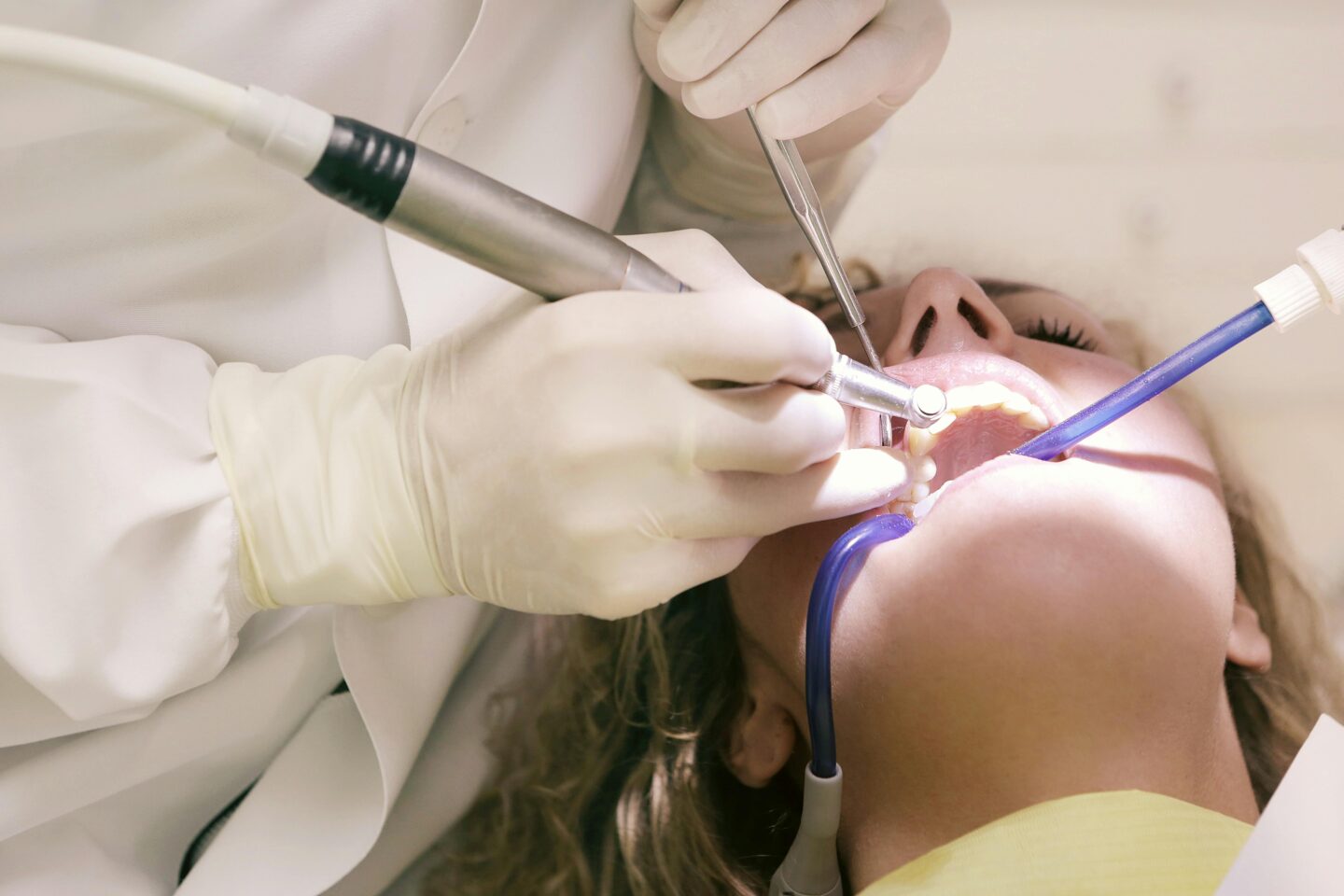
Cracking a tooth can happen when you least expect it. It may occur while you’re chewing something hard, like ice or nuts. Sometimes, it happens from an old filling breaking down or from a fall or accident. You might notice sharp pain right away, or it might only hurt when you bite down or drink something hot or cold. A crack can also make your tooth feel sensitive or uncomfortable, even if there’s no visible damage. No matter how it happens, a cracked tooth should be taken seriously to avoid long-term damage.
Pay Attention to the Pain
Pain from a cracked tooth can be tricky. It often comes and goes, making it easy to ignore. But pain that gets worse when you chew or that lingers after hot or cold food is often a warning sign. Cracks can expose the inside of the tooth, making it more sensitive to temperature and pressure. The longer you wait to deal with it, the more likely the crack will grow. That could mean more discomfort and more complicated treatment later on.
Don’t Delay Professional Care
If you even suspect you’ve cracked a tooth, it’s important to schedule a dental visit as soon as you can. Waiting too long can make the problem worse and limit your treatment options. A dentist will be able to check for cracks using special tools and X-rays. They’ll also ask about your symptoms and how the tooth feels when you bite. One trusted resource for handling this kind of damage is cracked tooth treatment at Thrive Dental. Their experienced team focuses on relieving pain and repairing damage while helping you keep your natural tooth whenever possible.
What Dentists Look For
Once you’re in the dental chair, the dentist will examine your tooth for visible cracks and signs of wear. Some cracks are easy to spot, while others are hidden under the surface or between teeth. That’s why X-rays and sensitivity tests are often part of the visit. The dentist will figure out how deep the crack goes and whether the nerve or root is involved. This helps them choose the best repair method. In less serious cases, a simple filling or bonding might do the job. For larger cracks, you might need a crown or a root canal.

Treatment Options to Repair the Tooth
There’s no one-size-fits-all fix for a cracked tooth. The treatment depends on how deep the crack goes and how much of the tooth is affected. Minor cracks or chips can be filled in or polished to smooth out the surface. For more serious cracks, a crown can protect the tooth from further breakage and help restore its shape. If the crack reaches the pulp—the soft tissue inside the tooth—a root canal may be needed. In some extreme situations where the crack extends below the gumline, the tooth may need to be extracted.
How to Care for Your Tooth After Treatment
Once the crack is treated, the job isn’t done. You’ll need to take care of the tooth so it heals properly and stays healthy. Avoid biting down on hard foods for a while, especially on the side of the mouth where the repair was done. Keep brushing and flossing daily to avoid infection. If you grind your teeth, your dentist may recommend a nightguard to protect your teeth while you sleep. Staying on top of your dental appointments will also help you catch any future problems early.
A cracked tooth can start as a small issue but quickly turn into something serious if it’s ignored. The pain might seem minor at first, but cracks can grow and lead to infections, nerve damage, or even tooth loss. Taking action quickly and getting the right dental care can help save your tooth and stop the pain. Dentists have safe, proven ways to fix cracks and protect your oral health. When you trust a skilled team, like the professionals at Thrive Dental, you can feel confident that your smile is in good hands. Don’t wait—protect your teeth before a small crack becomes a big problem.
Thank you for reading.







