
Bowing basement walls are a significant concern for homeowners, leading to structural instability and potential water damage. Understanding the causes behind this issue is crucial for effective resolution. Bowing occurs when the walls of a basement are pushed inward due to external pressure. This phenomenon is often attributed to various factors, including soil expansion, excessive moisture, and inadequate drainage systems. Once the problem is identified, it’s essential to seek appropriate solutions, which can involve professional help. In this article, we will explore the underlying causes of bowing basement walls and discuss effective repair methods, including bowling basement wall repair options.
Understanding the Causes of Bowing Basement Walls
Several factors can contribute to the bowing of basement walls. One of the primary culprits is hydrostatic pressure, which builds up against the walls due to excess water in the soil surrounding your home. When the soil becomes saturated from heavy rainfall or improper drainage, it expands and exerts pressure on the walls of the basement. Over time, this pressure can cause the walls to bow inward, creating cracks and fractures. Poor soil compaction, shifts in the ground, or even the weight of large landscaping features can also lead to bowing walls and the need for bowing basement wall repair.
Another contributing factor is the condition of the foundation itself. If your home’s foundation is not constructed with proper materials or techniques, it may be more susceptible to bowing. Foundation settling and erosion can exacerbate wall bowing issues as well. Additionally, temperature fluctuations can cause the soil to expand and contract, impacting the stability of basement walls. Therefore, it’s crucial to identify and address the root cause of the problem to develop a lasting solution.
Signs of Bowing Basement Walls
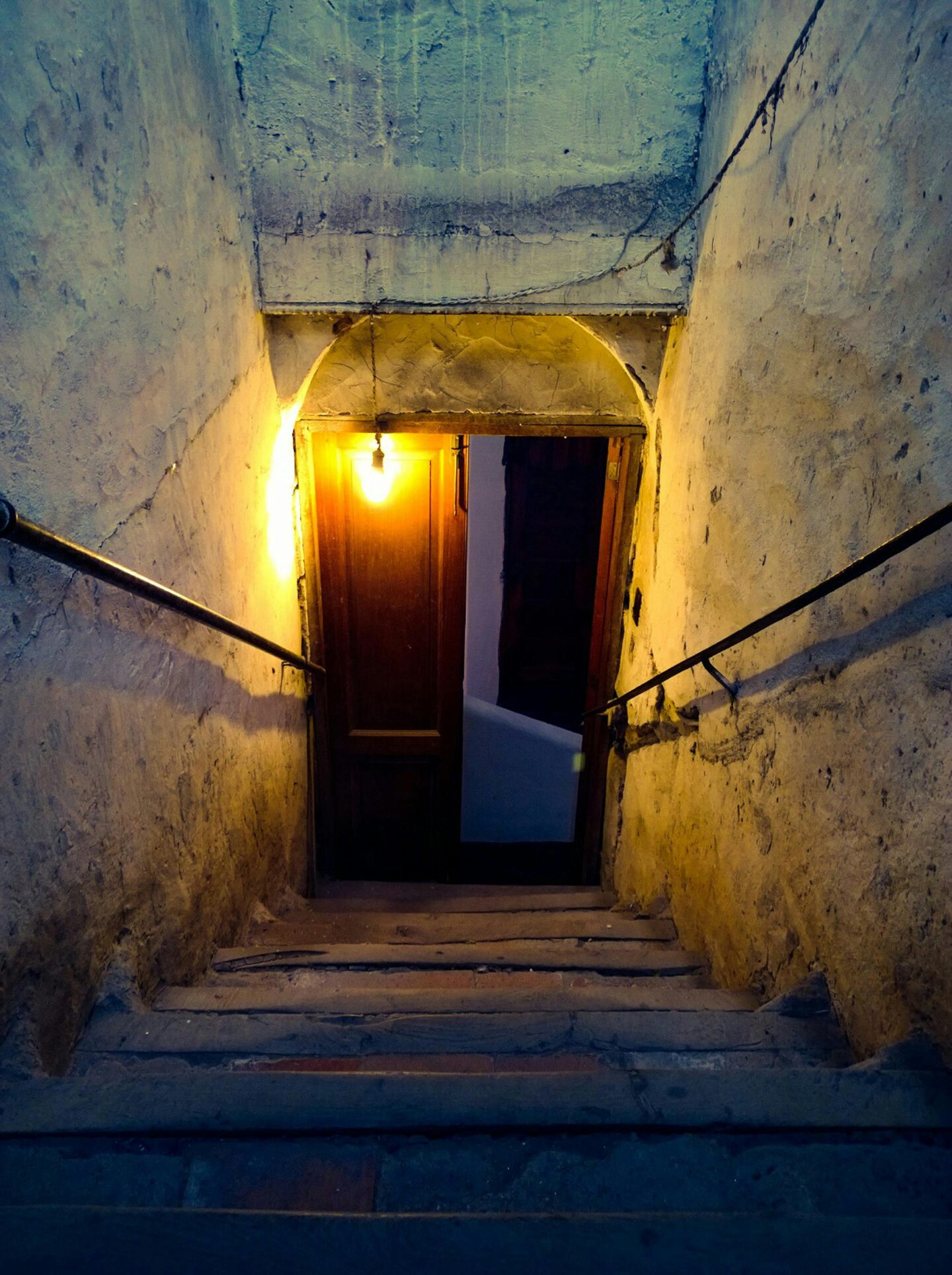
Detecting bowing basement walls early can save homeowners from extensive damage and costly repairs. Common signs include visible cracks on the walls, either horizontal or diagonal, which may also extend to the ceiling or floors. A bowing wall may also appear to be uneven or bulge inward at specific points, noticeable when observed from various angles. Cracks that widen over time are particularly concerning and suggest progressive damage. Homeowners should also watch for water seepage, mold growth, or a musty odor, which are all indicators of moisture issues in the basement. If you notice any of these signs, it’s crucial to take action promptly before the problem worsens.
Effective Solutions for Repairing Bowing Basement Walls
There are several options for repairing bowing basement walls, and the best approach often depends on the severity of the damage and the underlying cause. One effective method is the installation of wall anchors or carbon fiber straps, which help to stabilize and support the wall. This technique involves attaching metal anchors to the exterior walls and connecting them to the interior wall using heavy-duty straps. This option is especially effective for walls with minor to moderate bowing.
In more severe cases, a process known as straightening may be necessary. This technique involves using hydraulic jacks to push the wall back to its original position, followed by the installation of additional support systems to maintain stability. Once the wall is repaired, it is essential to address the underlying issues that caused the bowing. This may include improving drainage systems, like French drains or installing sump pumps, to manage excess water. Waterproofing solutions may also be necessary to protect the basement from moisture buildup.
Preventing Future Bowing Issues
To prevent future instances of bowing basement walls, it is vital to maintain the drainage systems around your home. Regular inspections of gutters and downspouts ensure that water is directed away from the foundation. Installing landscaping that slopes away from the house can further minimize water pooling near the foundation. Additionally, monitor soil conditions around your home and consider using drainage tiles or grading to improve water runoff. Homeowners should also conduct regular checks for cracks or signs of shifting in the foundation and address them promptly to prevent more significant issues in the future.
In conclusion, bowing basement walls pose a serious risk to your home’s structural integrity. By understanding the causes and being aware of the signs, you can take proactive measures and implement effective solutions to maintain the safety and stability of your basement. If you encounter significant bowing issues, do not hesitate to contact a professional for a thorough assessment and repair plan.
Thank you for reading.