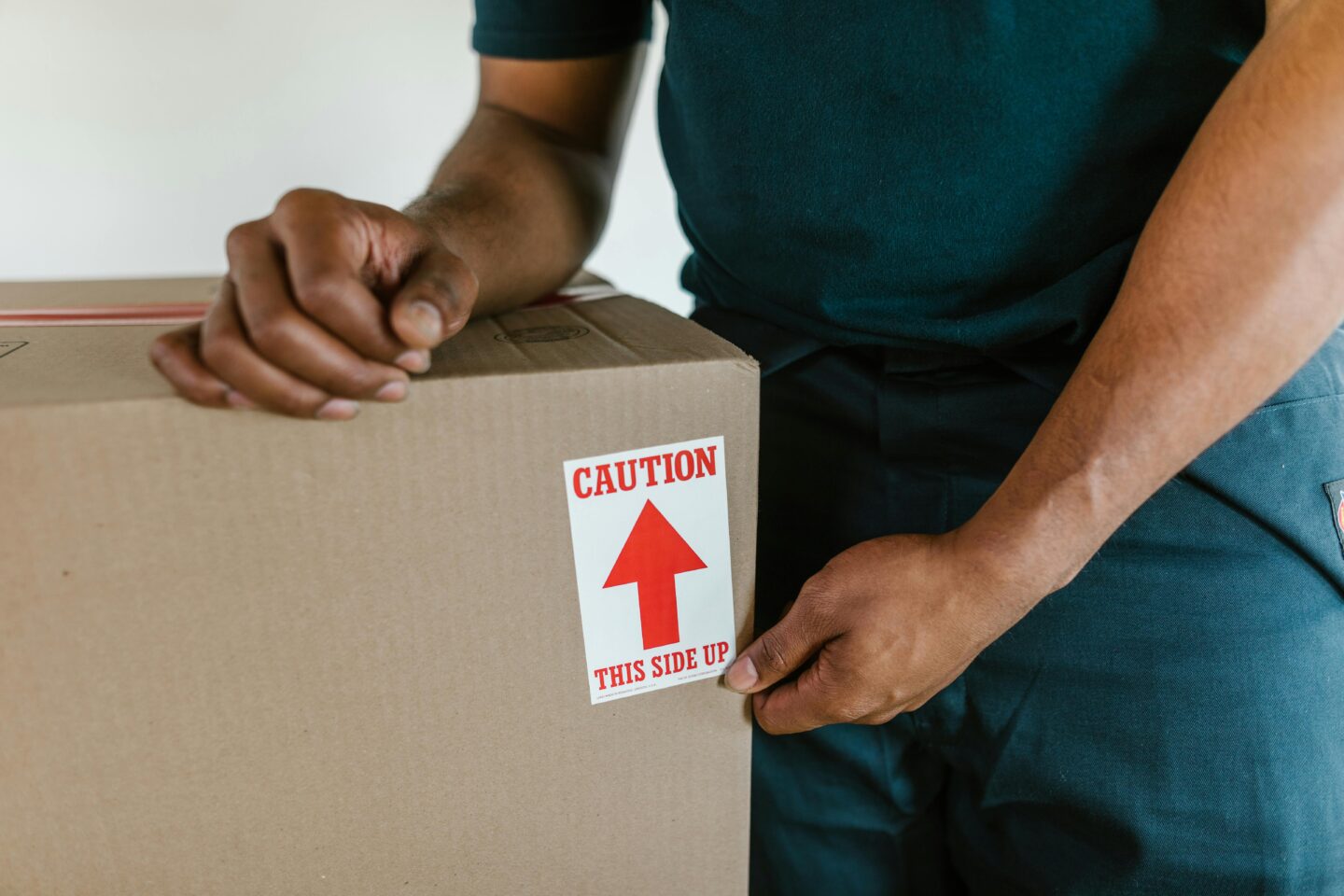
Relocating from one city to another can be both an exciting and daunting experience. Whether you’re moving for work, lifestyle changes, or family reasons, there’s often a great deal of focus on the big-ticket items — booking a moving service, changing your address, and organising transport. However, it’s often the smaller, overlooked aspects of a city-to-city move that can derail your plans and create unnecessary stress.
In this article, we’ll explore the most commonly forgotten considerations in intercity relocations and how you can ensure your move is not only efficient but also as stress-free as possible.
Understanding Regional Variations
One of the first oversights many movers make is assuming that life in one city mirrors another. Every city in New Zealand has its own rhythm, housing market, cost of living, and even climate. Wellington, for example, is known for its wind and compact layout, while Auckland sprawls widely with more road traffic and varied weather.
This means housing expectations, commute patterns, and even utility providers may differ significantly. Failing to research your new city’s characteristics can lead to frustrating surprises, such as inadequate heating systems in colder climates or underestimating commuting times.
Timing the Move Wisely
Many people schedule their moves around personal convenience without considering the impact of peak moving periods. School holidays, weekends, and public holidays are especially busy times for removal companies and can limit your choices or inflate prices.
In New Zealand, the end-of-year summer break is particularly hectic. If you can, plan your move during off-peak seasons or mid-week to ensure better service availability and potentially lower costs. Also, take note of regional events that may cause road closures or traffic congestion, affecting your moving schedule.
Decluttering and Inventory Management
Another common mistake is underestimating how much you own. It’s easy to overlook the volume of items accumulated over the years, especially in hidden spaces like attics, sheds, and garages. Not only does this complicate packing, but it also increases transport costs.
Conduct a thorough decluttering well in advance. Sell, donate, or recycle items you no longer need. Creating a digital inventory — including photographs and estimated values — is also helpful for insurance purposes and for keeping track of your belongings during transit.
Utilities and Essential Services
Many movers forget to set up or disconnect essential services such as electricity, gas, internet, and water. In some cases, service providers may require notice periods or technician appointments, particularly in rural or newly developed areas.
Plan these transitions ahead of time to ensure you’re not left in the dark—literally—on move-in day. It’s also worthwhile to familiarise yourself with local waste collection schedules, council regulations, and nearby healthcare providers.
Moving Pets and Plants
Relocating pets and plants between cities is not always straightforward. Animals can become stressed during long car journeys, and certain plants may not survive the change in climate or environment.
Make appropriate arrangements, such as secure pet carriers, plenty of rest stops, and consider professional pet transport services for long-distance moves. For plants, research quarantine regulations (especially for overseas relocations), and prioritise those that are hardy enough to survive transit.

Mail Redirection and Admin Tasks
In the flurry of packing, many forget to redirect mail or notify institutions of their new address. Banks, schools, doctors, and even subscription services need to be updated to avoid missed appointments, unpaid bills, or privacy issues.
NZ Post offers mail redirection services which are easy to set up online and can catch any overlooked correspondences. Prepare a checklist of key organisations to contact a month before moving to avoid last-minute panic.
Local Knowledge and Community Integration
Once the boxes are unpacked, settling into a new community can feel isolating if you’ve not taken steps to integrate. Consider joining local clubs, attending community events, or simply introducing yourself to neighbours. These connections can be invaluable, especially when navigating new schools, local tradespeople, or understanding neighbourhood norms.
Even more practically, local knowledge can help you find shortcuts, avoid high-traffic areas, and learn which local stores and services are most reliable.
Professional Help You Can Trust
While many aspects of moving can be handled personally, the physical transport of your belongings is best left to professionals — especially when relocating across the country. For example, those shifting between two of New Zealand’s busiest cities should carefully consider whom they entrust with their possessions. If you’re planning a move between the capital and the north, it’s vital to hire reliable movers from Wellington to Auckland to ensure your items are handled with care and delivered on schedule.
Expert Help Where It Counts
City-to-city moves involve more than just boxes and trucks. By anticipating the often-overlooked details — from regional differences to utility setups and social reintegration — you can transition smoothly into your new life. Preparation is the key to avoiding unnecessary costs and emotional strain. So, plan thoughtfully, act early, and don’t be afraid to enlist expert help where it counts.
Thank you for reading.







