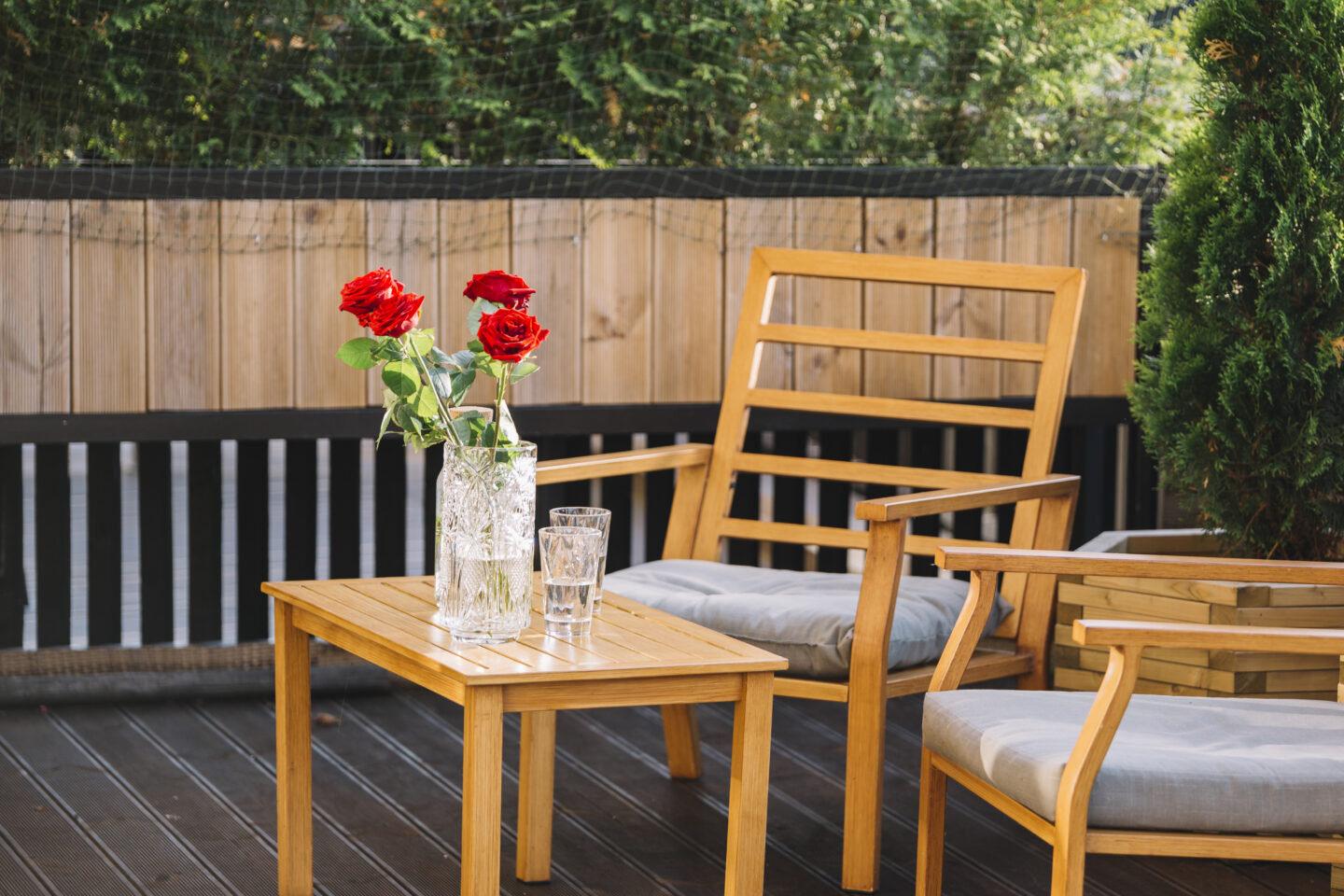
If the deck isn’t properly constructed, it becomes a liability, resulting in costly damage or accidents. Homeowners take the nuances of a deck for granted, ranging from choosing the best material to meeting safety codes. Without proper planning, the deck will prematurely age, shortening its lifespan and worth.
Moreover, the North American Deck and Railing Association (NADRA) states that almost half of the 60 million decks in the United States are over 20. With so many decks, aging, construction, and maintenance are the keys to long-term performance and safety. Thus, how do you make your deck beautiful and durable?
Knowing the right materials, following the safety rules, and committing to future maintenance. Letting professional builders work for you can also guide you through these considerations to provide a safe, solid outdoor space.
This guide provides top tips to help you build the ultimate outdoor space.
1. Seek Professional Assistance
Professionals will save you money, time, and stress regarding deck construction. You might think it will be fun to do it yourself, but deck construction requires specialized equipment and expertise. Professional contractors know how to deal with any problems that can occur during the construction process.
Moreover, they can help you plan a deck that will be most suitable for you as they have expertise in handling different sizes and shapes of the yard. You can share your concept with them, and they will guide you through what will be most suitable for your home.
If you’re in the Kansas City area, working with experienced deck builders Kansas City ensures that your project is handled with local knowledge and precision, taking into account the regional climate, architectural trends, and permit requirements.
2. Choose the Right Decking Materials
Selecting the material for your deck can significantly impact its appearance and longevity. There are many different choices, each with advantages and disadvantages. What will be best for you will be influenced by your budget, the time you’re willing to maintain it, and your aesthetic preference. The materials include:
- Wood: Wood is the primary option for most homeowners. Cedarwood and redwood contain natural oils that make them rot and insect-resistant. Pressure-treated wood is less expensive but requires more upkeep in the long term. Tropical hardwoods, like ipe, are long-lasting but are quite expensive.
- Composite: Composite decking is also becoming popular. It combines wood fiber and plastic, so the boards need little maintenance. Composite decking Sydney does not need staining or sealing, saving you time. Composite materials come in various colors and can look like wood without the upkeep.
- Vinyl and PVC: Another low-maintenance option is vinyl and PVC decking. Both are scratch, stain, and sun-resistant. Since they don’t drink water, they will hardly crack or warp over time. To maintain their new look, all you will have to do is wash them with soap and water.

3. Consider Essential Safety Features
Safety must be your number one priority when you build a deck. A properly constructed deck features several critical components that guarantee everyone’s safety. These components are perhaps the less glamorous aspects of your project, yet they are required.
For example, railings prevent people from falling off the side of your deck. Most areas require railings if your deck is over 30 inches off the ground. The balusters must be placed so a little child can’t squeeze through. Your railings can be made of the same material as your deck, or you can mix the materials for a customized look.
Furthermore, solid support posts and footings are the key to a safe deck. They should be long enough to go below the frost line in colder climates and strong enough to support the deck, furniture, and people using it. Cutting corners with these behind-the-scenes components can result in significant problems in the future.
Moreover, stairs require special care when building. All the steps should be the same height and depth to avoid tripping. Handrails facilitate the safe ascending and descending of people. The stairs should be appropriately mounted to the deck and the floor to prevent wobbling or shifting.
4. Review Local Codes
Before starting your deck project, you must know local building codes. Local building codes are established to help keep you and your family safe. Building without first investigating codes can lead to significant problems later on.
For example, most areas require a permit for a deck. For you to get a license, the authorities will check your plan before you start to build, and they will confirm whether your plan is safe. You may be charged for the permit, although it is affordable compared to repairing a non-compliance deck.
Nevertheless, following codes protects you in numerous ways. If you ever sell your house, potential buyers will be interested in knowing the deck was constructed legally. Your insurance policy may not cover issues with buildings that are not up to code. Spending time to learn about these regulations avoids headaches down the road.
5. Consider Maintenance
Maintaining your deck is a little work, but ongoing maintenance keeps issues from getting out of hand. Various materials require varying kinds of care. Knowing your deck’s requirements enables you to develop proper planning strategies.
For example, wood decks require the most upkeep. You should sweep your wood deck each year to remove dirt and mildew. Depending on your environment and how sunny your deck will be, you should seal it with a water-resistant sealer for one to three years. You may be able to replace boards that crack or splinter with time.

6. Maximize Aesthetic Appeal and Functionality
It takes planning to design a beautiful and functional deck for your lifestyle. Before finalizing your design, consider how you wish to use the area. A well-planned deck layout is the key to enjoying outdoor living for years.
Consider zoning your deck for different activities. For example, you can have a cooking zone near the house, a dining zone beside it, and a lounge zone elsewhere. Different levels, half-walls, or changes in direction in the decking can separate the zones. The zone should be big enough for its purpose but not excessive.
Conclusion
Your new deck will be a fine contribution to your outdoor living space, but it will take planning to be long-lasting, secure, and functional. Quality material, strict compliance with your area’s building codes, and the use of such essentials as railings and solid foundations can prevent problems in the future.
You’ll also save time and effort with professional builders while ensuring structural integrity. Routine cleaning and checks will ensure your deck remains at its best for years. Thus, planning with precision to maximize beauty and use will give you a beautiful, long-lasting outdoor retreat for your leisure time.
Thank you for reading.