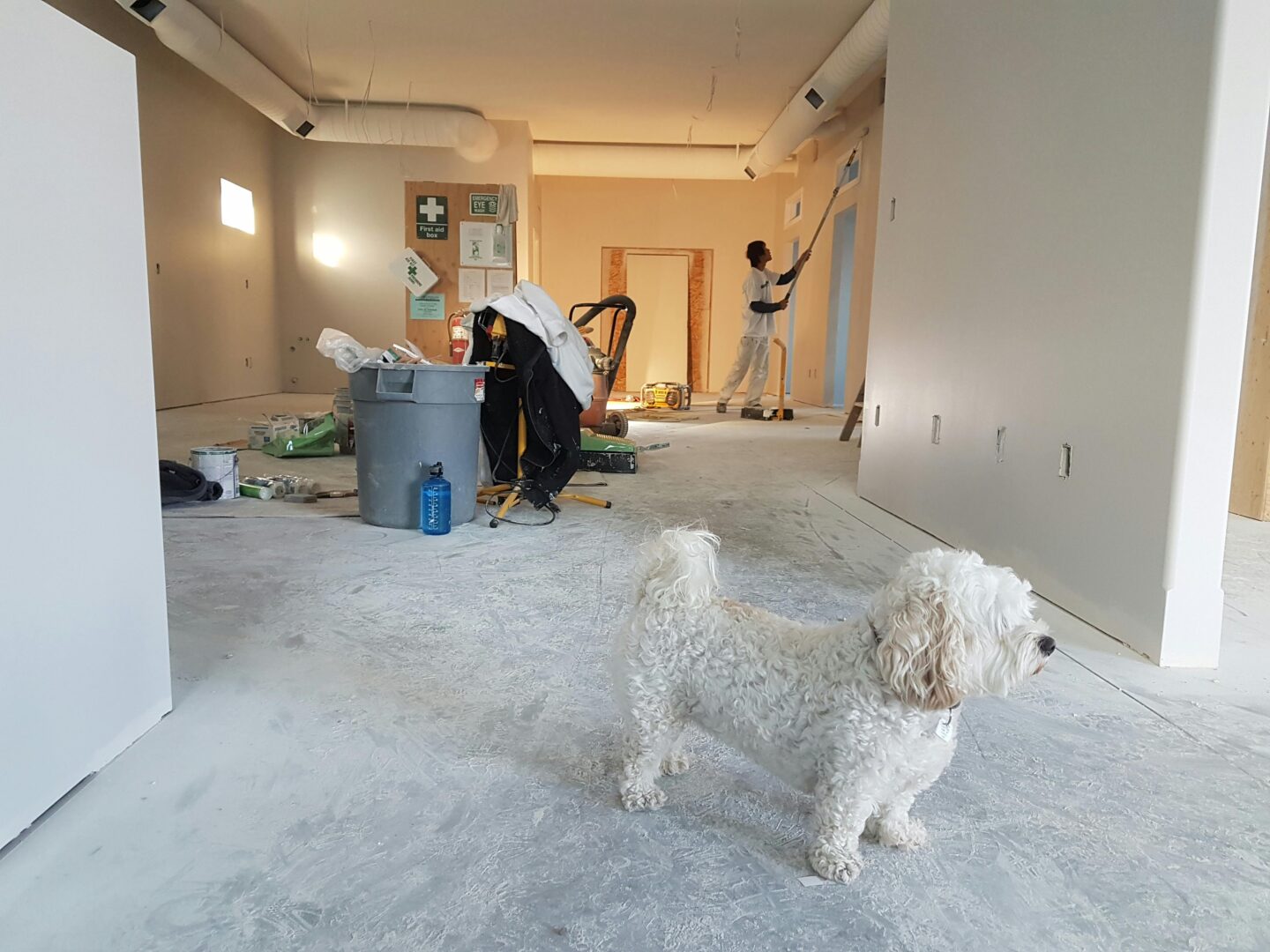
Have you ever wanted to update your home but worried about the cost? Many homeowners hesitate to start a renovation because they fear going over budget. The good news is that you can refresh your home without spending a fortune. Careful planning and smart choices can help you get the most out of every dollar.
A budget-friendly renovation requires prioritizing projects, finding affordable materials, and knowing where to cut costs. Whether you are updating one room or tackling a larger remodel, proper planning will help you avoid overspending. In this blog, we will share useful tips on how to plan a successful home renovation while staying within budget.
Setting a Realistic Budget and Sticking to It
Before starting any renovation, decide how much money you can spend. List out all possible expenses, including materials, labor, and unexpected costs. Research the average price of renovations in your area to get an idea of what to expect. Set aside a portion of your budget for surprises since unexpected issues can come up during the renovation process.
Once you have a budget, stick to it by tracking expenses. Use a spreadsheet or a budgeting app to record every purchase. Compare actual costs with estimated costs to stay on track. Avoid impulse purchases that might put you over budget. A clear budget plan will help you make smarter financial decisions throughout your project.
Prioritizing Renovations That Add the Most Value
Not all home upgrades are worth the investment. Focus on renovations that will increase your home’s value and improve your living space. Kitchens and bathrooms are top choices because they attract buyers and make everyday life more comfortable. Even small updates like painting cabinets or replacing outdated fixtures can make a big difference.
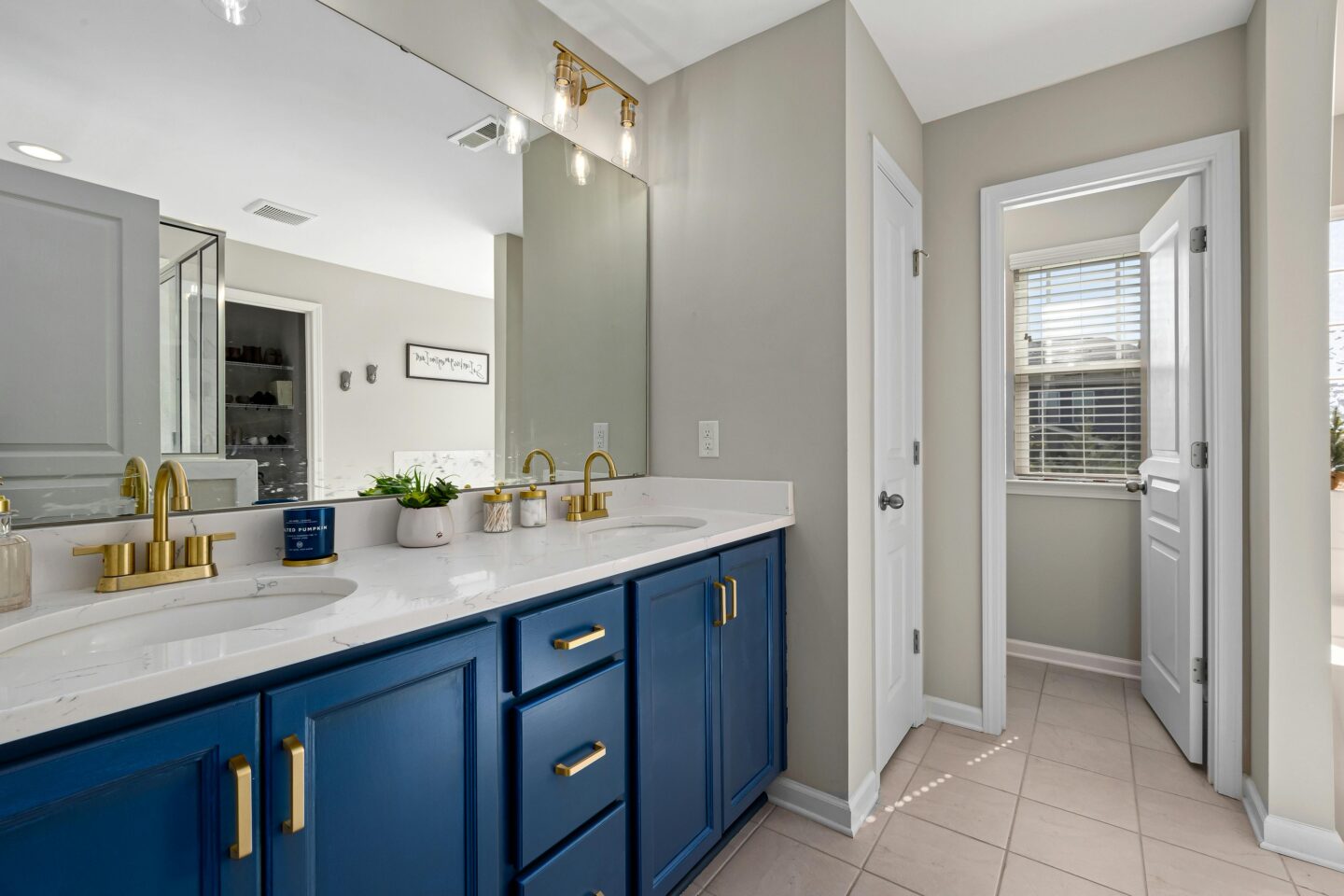
If your bathroom feels outdated, consider bathroom remodeling as one of your main projects. Updating tiles, installing a new vanity, or upgrading the shower can refresh the space without requiring a full renovation. A well-designed bathroom can make a home feel modern and clean. Prioritizing the right renovations will help you spend your budget wisely while improving your home’s functionality and appeal. Click here for more information about home elevators if you’re considering making your home more accessible during your remodel.
Finding Affordable Materials Without Sacrificing Quality
Quality materials do not have to be expensive. Shopping smart can help you save money while still achieving a stylish look. Look for sales, discounts, and clearance sections at home improvement stores. Many places offer high-quality materials at lower prices if you shop during off-season or holiday sales.
Consider alternatives that provide the same aesthetic without the high price tag. For example, luxury vinyl flooring can look like hardwood but costs much less. Recycled or reclaimed materials can also add character to your home at a fraction of the cost. Taking the time to compare prices and explore different options will help you find the best materials for your budget.
Deciding Between DIY and Hiring Professionals
DIY projects can save money, but they require time and skill. If you have experience with painting, installing floors, or assembling furniture, consider handling these tasks yourself. Many home improvement projects have tutorials online that can guide you step by step.
However, some tasks should be left to professionals. Electrical work, plumbing, and structural changes require specialized knowledge. Hiring a professional prevents costly mistakes and ensures the work is done correctly. Decide which projects you can handle and which ones need expert help. Balancing DIY and professional work will help you stay on budget while achieving quality results.
Reusing and Repurposing to Cut Costs
Instead of buying everything new, consider reusing or repurposing existing materials. Many items in your home can be updated instead of replaced. Kitchen cabinets, for example, can be painted or refinished instead of installing new ones. Old furniture can be restored with a fresh coat of paint or new hardware.
Look for secondhand stores or salvage yards for affordable renovation materials. You can often find doors, light fixtures, or sinks at a much lower price than new ones. Thinking creatively about how to use what you already have will help stretch your budget while still achieving a refreshed look.
Planning the Renovation in Phases
If your budget is limited, consider completing your renovation in phases. Instead of trying to do everything at once, focus on one project at a time. This allows you to spread out costs and avoid financial strain. Prioritize essential projects first, such as fixing structural issues or replacing worn-out fixtures.
Breaking up your renovation into smaller tasks can also reduce stress. You will have more time to make decisions and find the best deals. A phased approach lets you enjoy progress without feeling overwhelmed by expenses. Planning each phase carefully will help you stay organized and within budget.
Getting Multiple Quotes for Labor and Supplies
If you are hiring professionals, get multiple quotes before choosing a contractor. Prices can vary, so comparing estimates helps you find the best deal. Look for contractors with good reviews and experience in the type of work you need. Be cautious of extremely low quotes, as they may indicate poor quality or hidden fees.
For supplies, compare prices at different stores and online retailers. Some materials may be cheaper if bought in bulk or from a wholesaler. Asking about price matching or using coupons can also help lower costs. Taking the time to gather quotes ensures you are making the most cost-effective choices for your renovation.
In conclusion, planning a home renovation on a budget is possible with careful decision-making and smart spending. Setting a clear budget, prioritizing high-impact upgrades, and finding affordable materials can help you achieve great results without overspending. Deciding between DIY and professional work, reusing materials, and completing renovations in phases can also reduce costs. A well-planned renovation can improve your home’s value and comfort without putting financial strain on you. By making thoughtful choices and staying focused on your goals, you can create a refreshed living space that fits your budget and meets your needs.
Thank you for reading.







