Batteries are essential supplies for operating powered lawn and garden tools, such as mowers, trimmers and blowers. Knowing the basics about battery chemistry, amp hours and volts can help you invest in the right lawn garden battery. Here are some guidelines to help you decide on batteries for home or commercial lawn and garden equipment.
Compatibility, Capacity and Technology
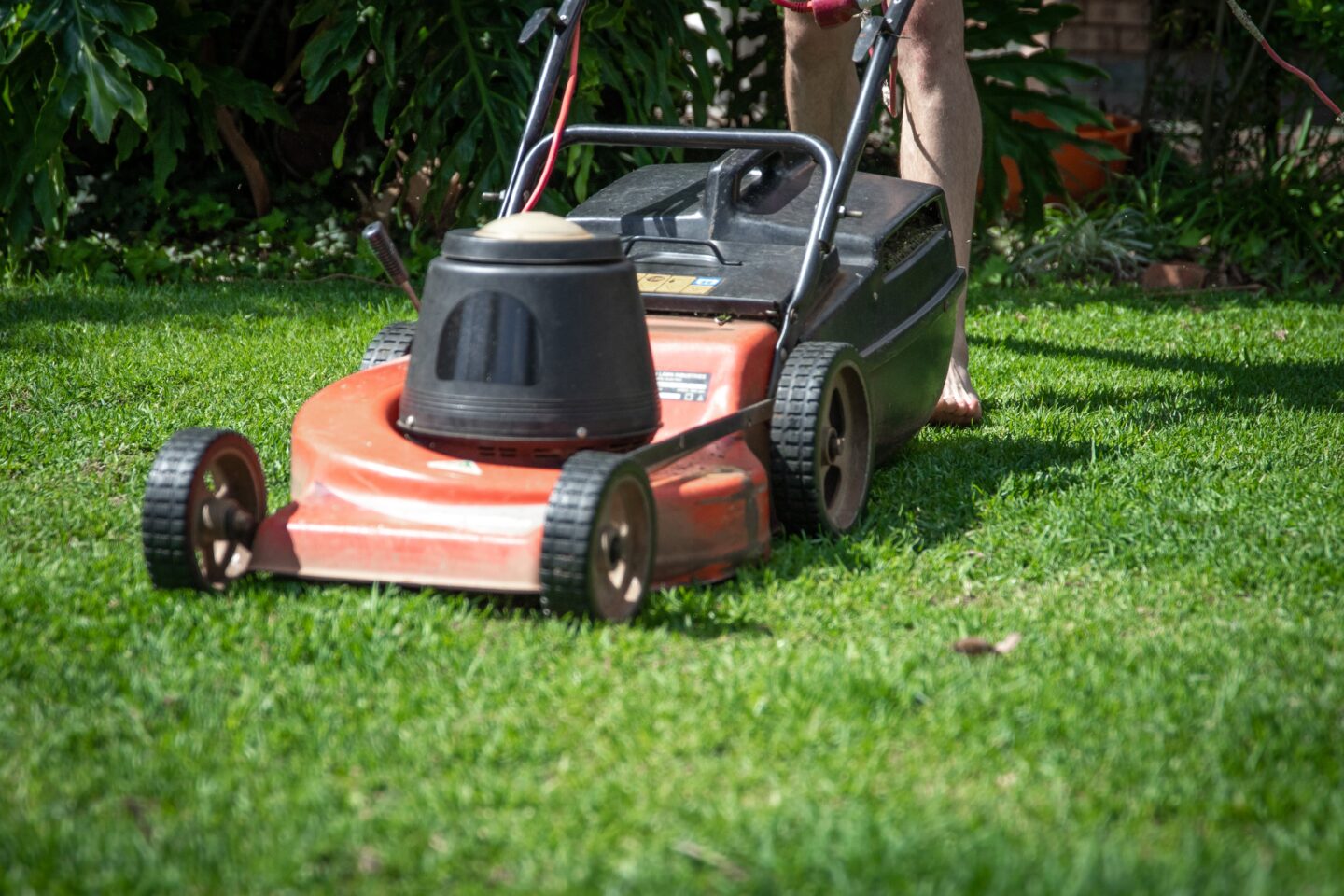
Lawn and garden tools use a variety of batteries. While most gas-powered push mowers do not have batteries, some self-propelled models and most riding mowers have batteries and electric starters.
Gas powered riding mowers often have a lead-acid riding mower battery that resembles a car battery, but is smaller and has less cold cranking amps. Electric push and riding motors typically have rechargeable lithium-ion or lithium iron phosphate batteries, as do other battery-powered lawn and garden tools.
It is important to be aware of the chemistry of a lawn garden battery, such as lead acid, Li-ion, or LiPo. You should also note the voltage rating of equipment and make sure that replacement batteries have the same voltage. The amp hours determine how long equipment runs on a charge.

Calculating Total Cost of Ownership & Expected Lifespan
The purchase price of a battery is relevant for calculating the total cost of ownership for any lawn and garden tool. You should also factor in the lifespan of batteries, or how long you can expect to use a rechargeable battery with charger before buying a replacement.
Mowers that use lead-acid batteries typically have alternators and voltage regulators that hold charge between uses. With proper care, a group U1 or group 31 battery can last for three to five years. You can also expect to use rechargeable li-ion or li-po batteries for years when you charge and store these batteries according to manufacturer recommendations.
When calculating the total cost of ownership for a particular tool, you should factor in the equipment purchase price and the cost of any components that require regular replacement, such as blades or spools of trimmer line. Maintenance and repair costs also factor into total cost of ownership.
Extending the Life of Lawn Garden Batteries
You can extend the life of the best lawn mower battery or rechargeable batteries for electric lawn and garden tools by following basic rules for charging, discharging and storing batteries. Try to keep lead acid batteries from fully discharging, even during the off-season. Top off low water levels by adding enough distilled water to completely cover the plates. You can use a wire brush, baking soda and water to clean buildup off of battery terminals.
Regularly cycle rechargeable batteries with designated chargers. Unplug charged batteries promptly to prevent overcharging if chargers do not have an auto-shutoff function.
Before you invest in a lawn garden battery, you should be aware of the battery chemistry and voltage for the tools you use. Once you know which type of battery to buy, you can factor in amp hours to get a replacement battery that provides sufficient power and operating time for any lawn and garden equipment.
Thank you for reading.







