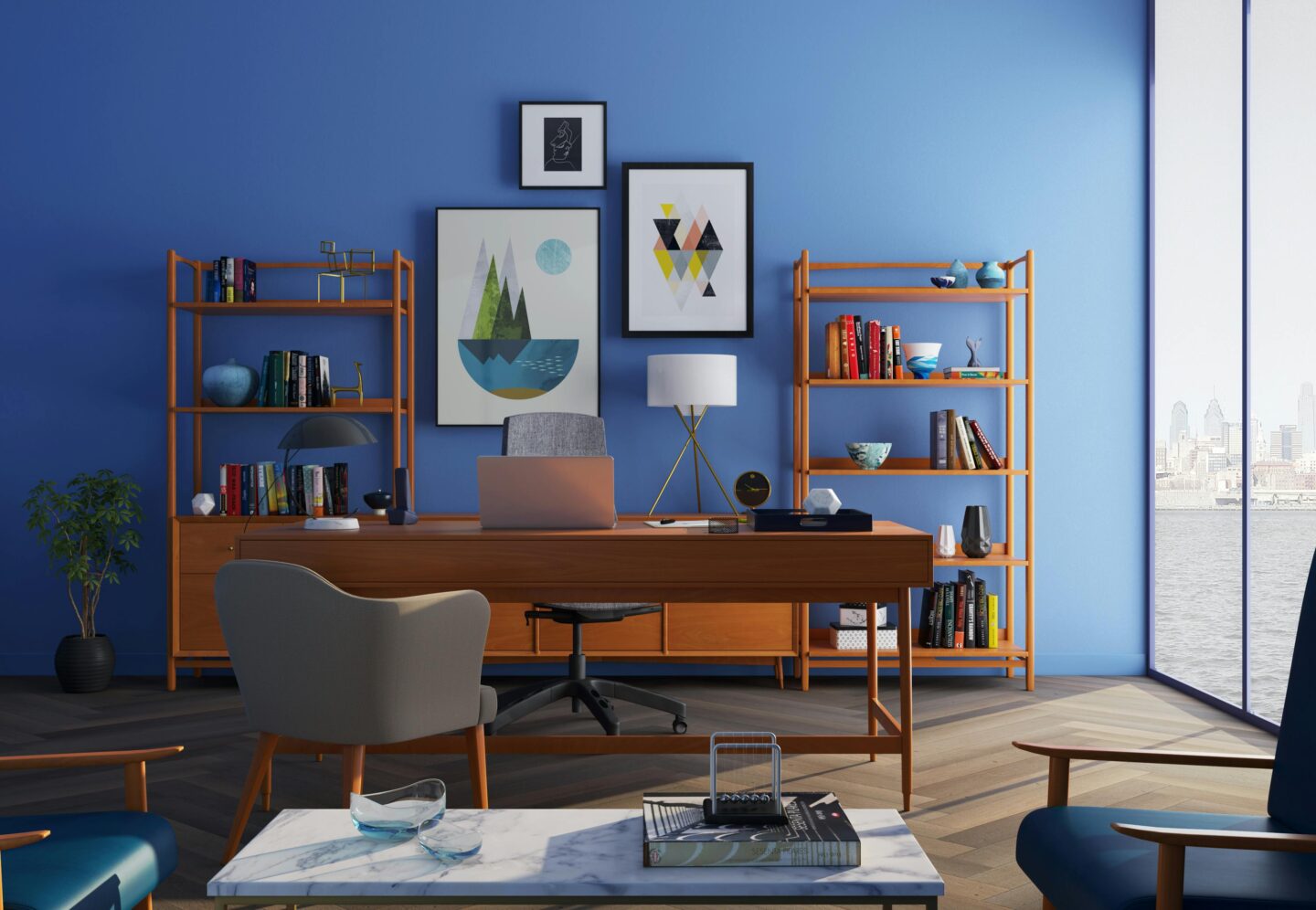
In the world of art, prints serve as accessible reproductions of original works. They allow individuals to enjoy and display stunning visuals in their homes or offices without having to shell out a large sum of money. Indeed, many artists and photographers choose to produce art prints because they can reach a wider audience and make their work more attainable for art enthusiasts. Additionally, art prints can capture a wide range of styles, from intricate illustrations to striking photographs, making them a versatile choice to enhance any space.
While the artwork itself is essential, the right paper is crucial for ensuring that you achieve a high-quality print that does justice to the original piece. The choice of paper can significantly influence the final appearance of the print and even its longevity. With various options available, such as textured and smooth paper, selecting the most suitable type is key to elevating the overall impact of your art.
In this article, we will explore the differences between textured and smooth paper and how they can affect the quality and lifespan of your prints.
Smooth Paper
Smooth paper features a flat, even surface that allows for sharp and clear printing. Some common types you may find include matte and glossy finishes, each offering its own set of characteristics. In particular, however, the even surface of smooth paper is designed to enhance details in art prints.
See Every Detail in Smooth Paper
If you want to achieve crisp detail and clarity, smooth paper is an ideal choice. It is especially beneficial for photographic prints and artwork that includes fine lines and intricate details. The paper’s flat surface allows for even ink distribution, which ensures that colours appear vibrant and well-defined. This results in a polished final product that has a professional look.
Moreover, smooth paper can effectively showcase the subtleties of colour gradients and tonal variations. As such, it’s ideal for realistic or digitally created artworks as well as illustrations with sharp lines. So, if you’re producing prints of high-resolution digital images or intricate drawings, the smooth surface will highlight every nuance, providing a clear and striking representation of your work.
Last but not least, smooth paper is well-suited for prints that will be featured behind glass or acrylic frames. This quality makes it an excellent option for professional portfolios and exhibitions where presentation is key. It’s also a great option when you plan to place your art prints in well-lit environments or areas with direct sunlight, where the bright illumination could otherwise obscure details.
Considerations When Choosing Smooth Paper
While smooth paper is an excellent choice for certain types of artworks, there are some considerations you need to take into account when choosing it for your art prints. For one, smooth paper may lack the tactile quality that artists and collectors appreciate in textured paper.
Furthermore, smooth paper with glossy finishes can produce glare, making it difficult to view the artwork in certain lighting conditions. Therefore, while smooth paper might appeal to those seeking a sleek and modern presentation, it may not resonate with audiences looking for a more traditional aesthetic.

Textured Paper
As its name implies, textured paper is characterised by its textured, tactile surface, which can vary in pattern and depth. Common types include watercolour paper, linen, and other specialty papers designed to enhance the artistic feel of a print. This type of paper can feature subtle or pronounced textures that add a distinct visual element to the artwork.
One of the primary benefits of textured paper is its ability to add depth and dimension to your artwork. The patterned or uneven surface enhances the visual interest of prints and invites the viewer to engage with the piece on a more intimate level. This makes textured paper particularly suitable for styles such as impressionism or abstract art, where the interplay of light and texture can dramatically influence the overall perception of the work. Additionally, textured paper can create a unique, artisanal feel that appeals to collectors and art enthusiasts, further enhancing the value of the print.
Choose Textured Paper to Achieve a Three-Dimensional Effect
When your artwork involves a lot of layering, brush strokes, or other expressive techniques that benefit from a three-dimensional feel, textured paper is a great choice. Particularly, textured paper is ideal for prints intended for open exhibitions. That’s because the tactile quality of the paper can draw viewers in and invite closer inspection.
Be Aware of the Potential Downside of Textured Paper
That being said, there are some drawbacks to consider when working with textured paper. One significant issue is the potential for ink absorption, which can lead to less precise detail in fine art prints. This might result in a softening of lines and edges that would otherwise be crisp on a smooth surface. Therefore, it may not be the best choice for highly detailed work or photographic prints, where clarity is a priority.
Additionally, the added texture may not suit every artist’s intention. In cases where a clean, modern aesthetic is desired, textured paper may detract from the overall impact of the piece.
Choosing the right paper for art prints is a vital step in their presentation. Once you understand the qualities and differences of smooth and textured paper, you can make informed decisions that will help enhance the visual appeal of your artwork. With careful consideration, you’ll be able to produce stunning art prints that resonate with both you and your audience, ultimately elevating your artistic expression and market presence.
Thank you for reading.