
Noise pollution can be a persistent problem, disrupting the comfort and peace of your home. From the constant hum of traffic to the clatter of rain or snow, external sounds can make it challenging to create a tranquil indoor environment. While many people focus on walls, windows, and doors for soundproofing, the roof is a critical yet often overlooked factor in noise reduction.
In places like Milwaukee, WI, where urban noise combines with seasonal weather challenges, having the right roofing system is essential for maintaining a quiet home. A properly designed and installed roof does more than protect your house from the elements—it significantly reduces the impact of unwanted noise, improving overall quality of life.
Importance of Professional Roofing Services
The quality and design of your roof play a significant role in how much noise enters your home. Certain materials and techniques can absorb or deflect sound better than others, making professional expertise vital in achieving effective noise reduction. Roofing professionals understand how to select materials that balance durability with soundproofing capabilities, tailoring solutions to a home’s specific needs.
An experienced Milwaukee WI roofing company brings unmatched expertise to the table, helping homeowners address noise concerns that are unique to the region. For example, they can recommend materials that reduce the sound of heavy rain or snow, both common in Milwaukee’s climate. These professionals also focus on installation techniques that minimize gaps or weak points, which can otherwise allow sound to penetrate. Partnering with experienced roofing experts ensures your home is better equipped to handle noise pollution effectively.
Types of Roofing Materials for Noise Reduction
Choosing the right roofing material is a crucial step in reducing noise levels. Materials like asphalt shingles are popular for their affordability and decent soundproofing properties. They can dampen the noise of rain and hail, making them a common choice in residential areas. Metal roofing, while durable and long-lasting, may require additional underlayment or insulation to address noise concerns, as it can amplify sound if left untreated.
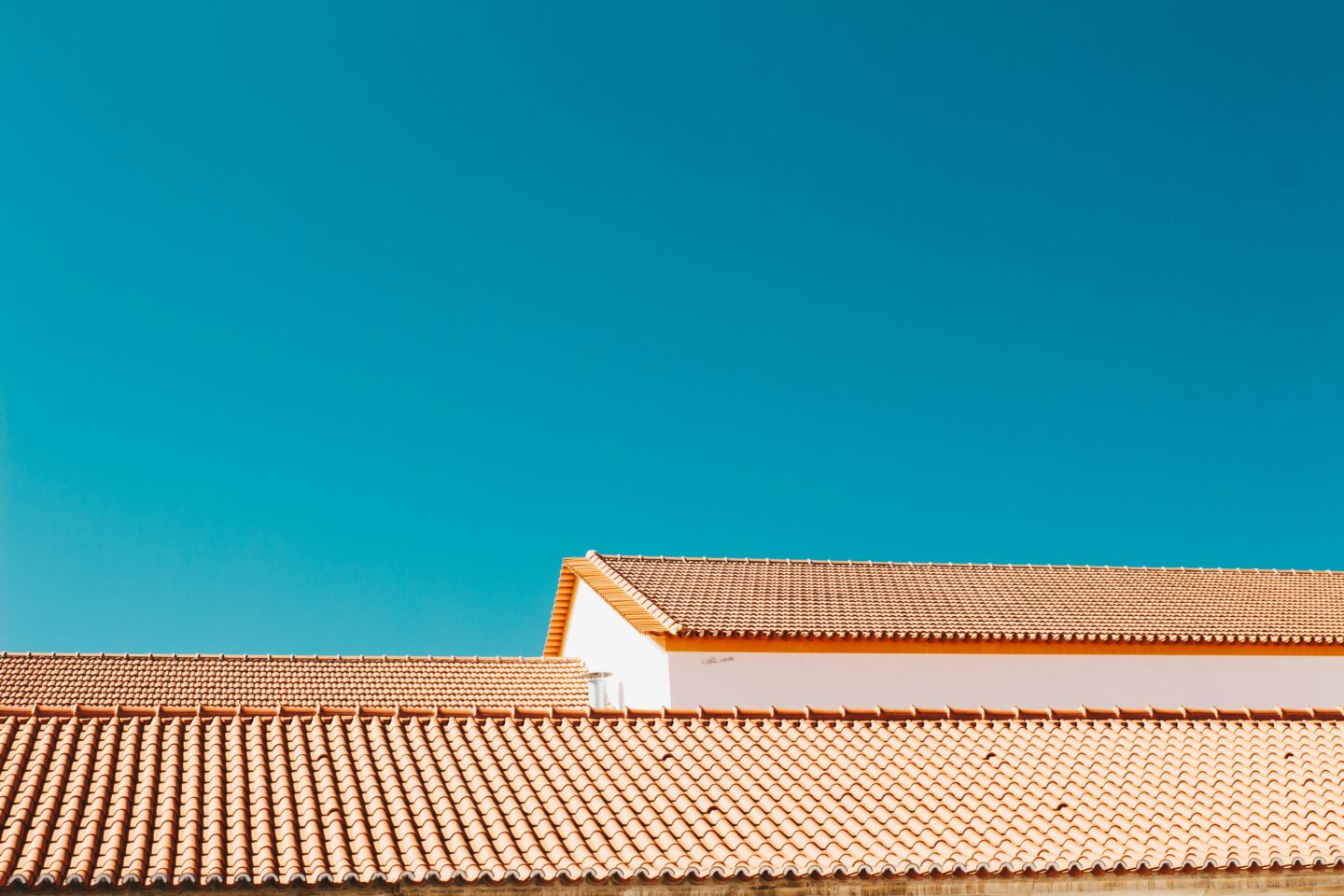
More advanced options, such as composite roofing materials, offer enhanced noise-reduction capabilities. These materials are specifically engineered to absorb vibrations and muffle sound, making them ideal for homes in noisy environments. Clay and concrete tiles are also excellent for soundproofing, as their density provides a natural barrier to external noise. Understanding the soundproofing characteristics of different roofing materials allows homeowners to make informed decisions that align with their priorities.
Insulation and Underlayment for Soundproofing
While roofing materials are important, the layers beneath them play an equally critical role in noise reduction. Proper insulation helps to block airborne sounds and reduce the impact of environmental noise. High-quality insulation can also help regulate indoor temperatures, providing dual benefits for homeowners.
Underlayment acts as another key barrier against noise. Acoustic underlayment is designed to dampen vibrations, preventing them from traveling through the roof and into the home. Adding this layer between the roof deck and the external materials enhances soundproofing, making the indoor environment significantly quieter. When combined with the right materials and professional installation, insulation and underlayment create a comprehensive noise reduction system.
How Roof Design Impacts Noise Reduction
The design of a roof significantly influences how well it can block or absorb sound. Elements like pitch, shape, and overall structure play a key role in reducing noise levels. Steeper roof pitches, for example, are better at deflecting sound waves, while flatter roofs may require additional materials to achieve the same level of noise reduction. Curved or angled roof designs can also help direct sound away from the home, creating a quieter indoor environment.
Innovative designs, such as green roofs, naturally enhance noise reduction by adding an insulating layer of soil and vegetation. Roofs of this sort provide soundproofing benefits and contribute to better energy efficiency and aesthetics. Customizing a roof’s design to tackle specific noise challenges is a smart approach for homeowners looking to improve comfort and functionality.
Maintenance and Its Impact on Noise Levels
A well-maintained roof is essential for maintaining its noise-reducing capabilities. Over time, gaps, cracks, or loose materials can develop, allowing sound to penetrate more easily. Regular inspections help identify and fix these issues before they become major problems. Addressing small concerns, like replacing worn-out shingles or repairing leaks, can significantly improve a roof’s ability to block external noise.
Additionally, maintaining insulation and underlayment is just as important as caring for the roof’s exterior. Insulation can degrade or become less effective over time, while underlayment may wear down due to exposure to moisture or extreme temperatures. Keeping these elements in good condition helps preserve the roof’s overall soundproofing performance and makes your home a quiet haven.
Environmental Factors and Their Influence on Roofing for Noise Control
Environmental factors, such as climate and local surroundings, heavily influence roofing decisions for noise reduction. In some regions, the combination of urban noise and seasonal weather challenges makes it particularly important to choose materials and designs suited to the environment. For instance, homes in areas exposed to heavy snowfall may benefit from roofs that include dense materials to muffle the sound of melting snow or hail.
Urban areas with constant traffic or construction noise require roofing solutions that prioritize soundproofing. Installing acoustic underlayment or selecting materials with superior noise-dampening properties can significantly improve indoor comfort. Tailoring a roofing system to specific environmental conditions offers the best results in reducing unwanted noise and enhancing the quality of life for homeowners.
A well-designed roof does more than protect your home from the elements—it creates a barrier against unwanted noise, promoting peace and comfort indoors. From selecting the right materials to maintaining insulation and addressing design considerations, every element of a roof contributes to its soundproofing effectiveness. For most homeowners, environmental and urban noise can be a constant challenge, investing in noise-reducing roofing solutions is a practical way to enhance both comfort and property value. With thoughtful planning and professional guidance, your roof can be transformed into a critical part of your home’s noise control strategy, creating a quieter, more enjoyable living space.
Thank you for reading.