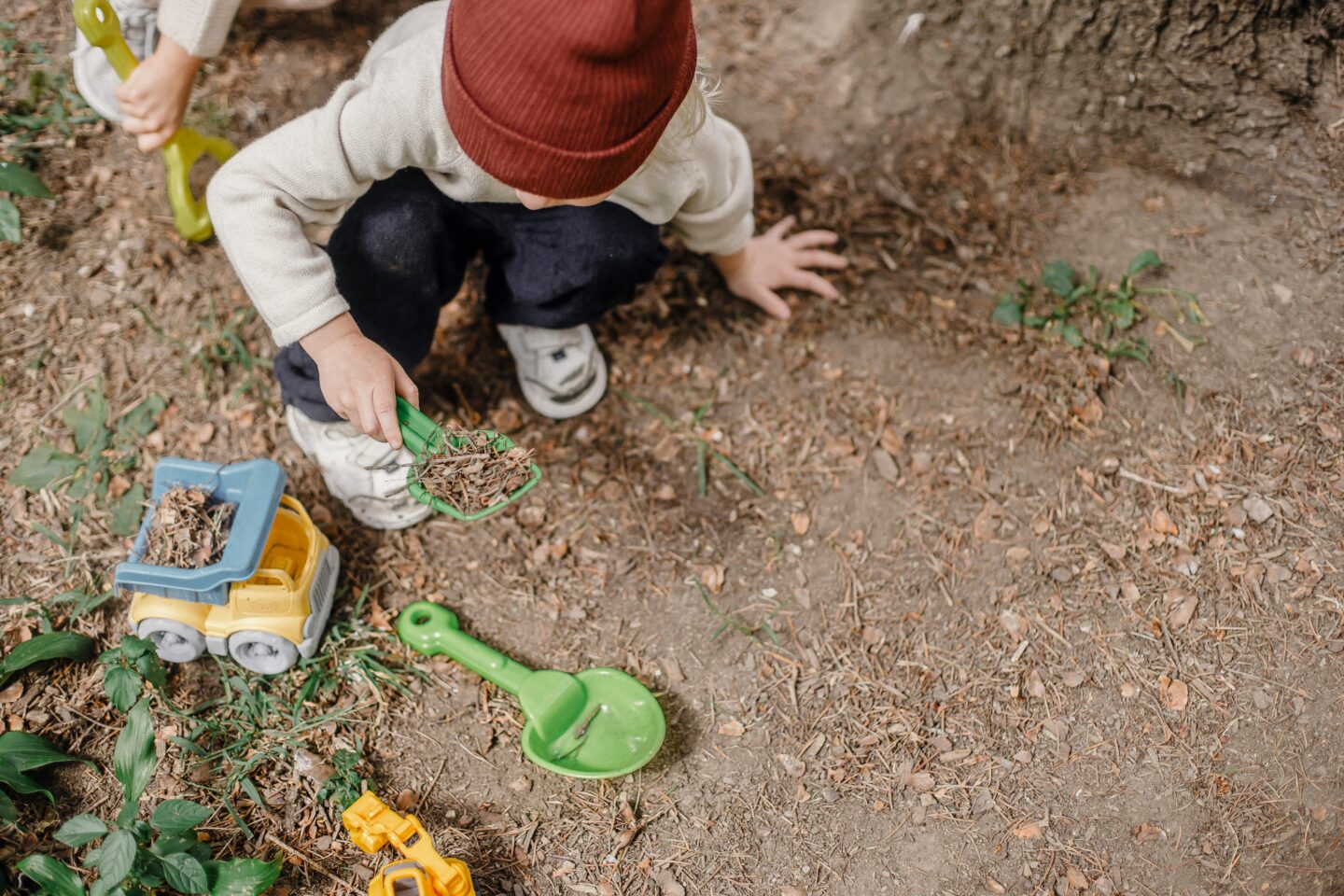
A garden space can be a boon to any home. But what if your garden space isn’t all that spacious? Let’s take a look at a few winning strategies for gardeners who don’t have all that much garden to work with!
Maximise Space with Vertical Gardening
Getting the most from limited floor space often means thinking in three dimensions. In the garden, it’s no different. You can use hanging baskets and wall-mounted trellises and planters to grow plants overhead, rather than giving up precious space at ground level. The only possible downside to this approach is the shadows cast by overhead objects. Think about where the sunlight is coming from, and whether your vertical gardening is going to get in the way of it.
Choose the Right Plants for Small Spaces
Certain plants can make a great match for small spaces. Think about the light conditions and microclimate in the garden, and choose plants accordingly. Note that some plants can be easily trained to grow upwards, rather than outwards. Given the problems with shadows you might encounter, it’s also worth looking for flowers that are happy with limited, reflected sunlight.
Add Seasonal Interest with Vertical and Container Planting
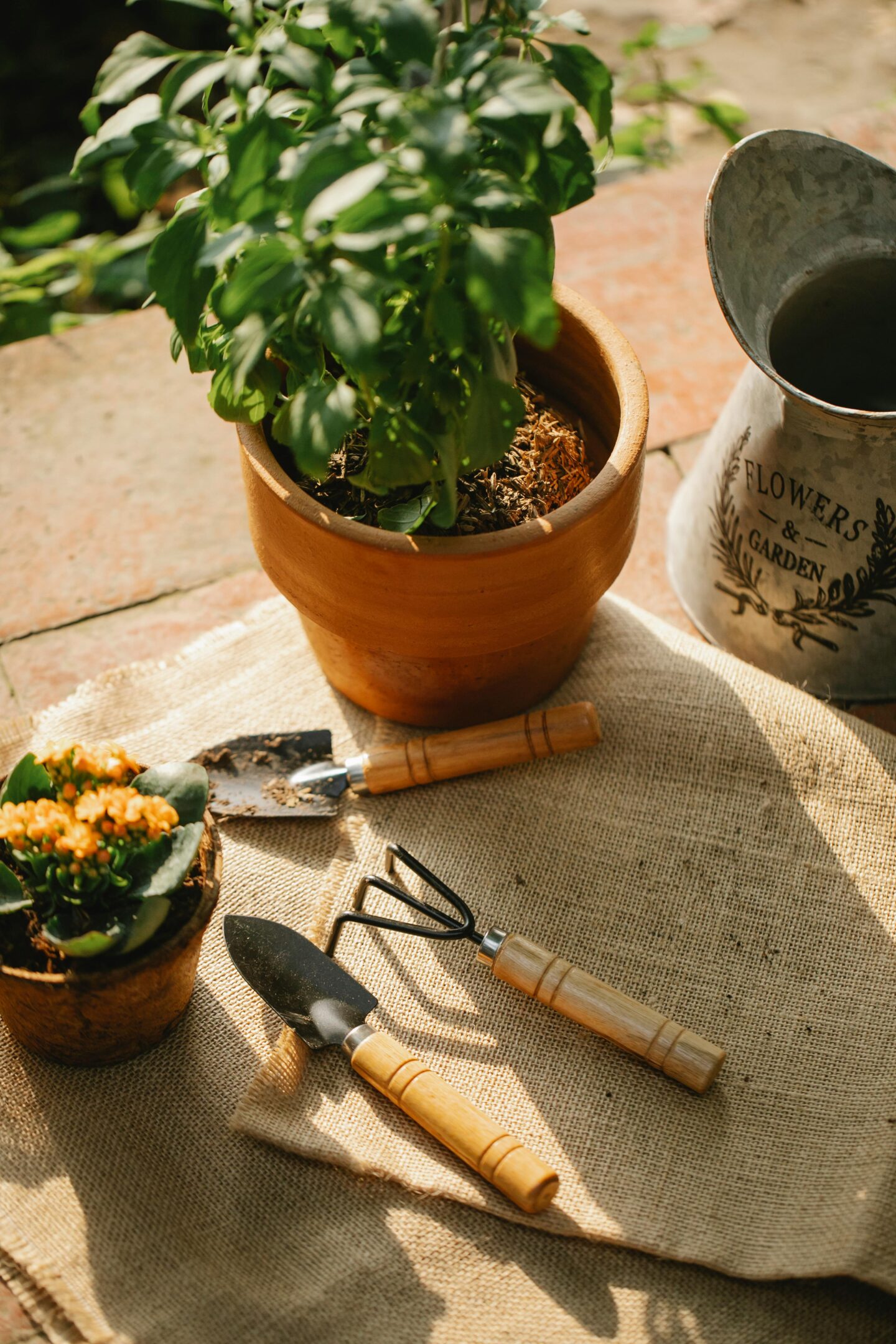
One of the problems inherent in a smaller garden is that things might get boring quickly. After all, there are only so many plants for you to look at. Frequent changes can help to deal with this – and that’s where containers are invaluable. Planting flower bulbs in containers allows you to enjoy a burst of seasonal colour without taking up much space, making them ideal for small gardens.
You can move or rotate your containers according to the season. Vertical planters might also be used to add even more variety. A row of plant-pot holders, mounted on a suitable wall, can provide a flexible, changeable source of visual interest.
Create a Focal Point to Draw the Eye
In a smaller space, it’s particularly vital that you establish a sense of visual hierarchy. You’ll want a main focal point to which the eye will immediately be drawn. This will help to create a sense of depth, and prevent you from feeling unmoored from the space around you. The focal point might take the form of a plant, a water feature, or even a piece of outdoor artwork. Whatever it is, it should reflect your tastes and personality, as well as any themes you have running through the garden.
Use Mirrors and Lighting to Enhance Space
Outdoor mirrors can create an illusion of space, just as capably as indoor ones. The right lighting, similarly, is critical – especially if you’re going to be using the space at night. Think solar-powered floor lamps and pendant lighting.
Conclusion
A small garden space doesn’t have to be a limiting one. With a few of the tips we’ve mentioned, you can make a huge difference to yours. It’s also worth remembering that smaller gardens are much easier to maintain than larger ones!
Thank you for reading.