In today’s digital age, the humble business card remains a powerful tool for networking and creating a lasting first impression. A well-designed business card can convey professionalism, attention to detail, and the essence of a brand.
To stand out in a sea of standard business cards, opting for premium features can make all the difference. Here are five must-have features of a premium business card that elevate your professional presence.
1. High-Quality Material
The quality of a business card depends on the materials. Making a lasting impression requires materials of the highest caliber, communicating luxury, longevity, and attention to detail. A premium business card uses thick, high-GSM (grams per square meter) paper—usually between 300 and 400 GSM—which makes the card feel solid and professional.
Specialty papers, such as textured, linen, or cotton, add a unique tactile dimension that standard cards lack. These materials distinguish the card from others, not just in appearance but also in feel. Unconventional materials like wood, metal, or plastic may be employed by individuals looking to make an even more dramatic statement.
Also, the material should complement the company’s identity and principles. For example, an environmentally concerned corporation might use sustainable or recycled paper, whereas a tech company might use sleek, high-tech materials like plastic or metal. The material should represent the caliber and philosophy of the brand, as it is the initial point of contact.
2. Elegant Design and Layout
The design and layout of a business card are critical in conveying professionalism and brand identity. Easy to read and aesthetically pleasing, an elegant design balances beauty and use. Often, the secret to striking this equilibrium is minimalism. Enough white space and a clutter-free design appear classy, making the information readily available.
Typography plays a significant role in the design. Choosing elegant, businesslike typefaces improves readability and projects authority. Combining several typefaces can also establish a visual hierarchy that directs the observer’s eye to the most crucial features, including the name and contact information. To keep things tidy and unified, though, use various fonts judiciously.
Choosing colors that arouse feelings and memories will help the color scheme complement the company’s identity. While spot UV coatings and metallic foils emphasize important components and hint at luxury, complementary colors can create harmony.
Equally important is the logo placement. It should be noticeable but well-integrated into the overall design to promote the company’s visual identity without taking over other elements.
3. Advanced Printing Techniques
Advanced printing techniques are among the five must-have features of a premium business card.
When printed using advanced methods, a business card can stand out in a stack by being much more visually and tactilely appealing. Popular techniques for producing an elevated or recessed impression on the card’s surface that draws attention are embossing and debossing. These methods improve the card’s appearance and offer a sensory experience that strengthens the brand’s identity.
With letterpress printing, a classic method of pressing the design into the paper, quality and artistry are conveyed through a unique, textured impression. Companies wishing to project a sense of history and dependability will find this approach perfect. Applying a thin coating of metallic foil to particular regions, known as foil stamping, produces a bright, reflecting surface that can draw attention to logos or significant text and give an opulent touch.
These advanced methods improve a basic card’s touch and visual appeal to create a memorable work.
4. Functional Elements
Including practical components in a business card can significantly improve its impact and usefulness. NFC (Near Field Communication) chips are among the features made possible by modern technology. They let recipients tap their phones against the card to immediately access digital material like websites, portfolios, or contact details. This smooth blending of digital and physical media improves the card’s function, making networking more effective.
QR codes are helpful extras. Scanning a QR code with their smartphone allows recipients to access several internet resources, like LinkedIn profiles, corporate websites, or online portfolios. This rapid availability of more information can increase interaction and provide more background on the company or person.
Further, modern technology such as Augmented Reality (AR) may give static photos a dynamic experience. For instance, a real estate agent’s card might be scanned to show a 3D model of a property. Multipurpose designs, such as calendars, rulers, or even practical equipment like bottle openers or rulers, give recipients real value and are, therefore, more likely to be kept and used.
5. Personalization
Personalization is the last on our list of the must-have features of a premium business card. A business card can be powerfully personalized to feel special and suited to the recipient. Customizing every card in a batch with variable data printing is possible, including adding the recipient’s name or your message.
With this level of personalization, the card feels unique and special because of the care and attention to detail.
A little remark or signature added by hand can also improve the emotional bond between the card giver and recipient. This little gesture can express gratitude and sincerity and make a lasting impact.
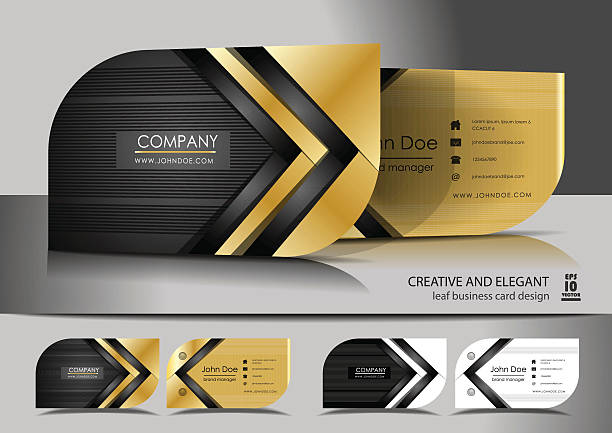
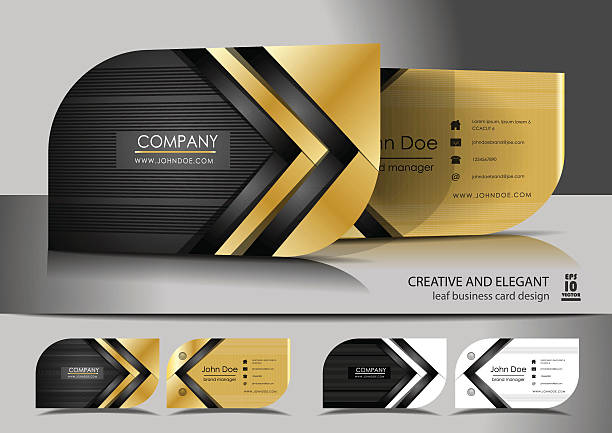
Opting for unique shapes and sizes can also personalize the card. Though most business cards are rectangular, a square or one with rounded corners can make the card more visually and tactilely noticeable.
You can even add a creative touch with custom die-cuts that capture the essence of the business or sector. A bakery might use a card like a cupcake, or a computer company might choose a sleek, futuristic style.
Conclusion
A business card combines premium materials, tasteful design, advanced printing methods, valuable components, and customization. Each element helps produce a good card and successfully conveys the company’s personality and principles. Putting money on a lovely business card can dramatically improve your professional image and make an impression that lasts longer than the first handshake.
Thank you for reading.