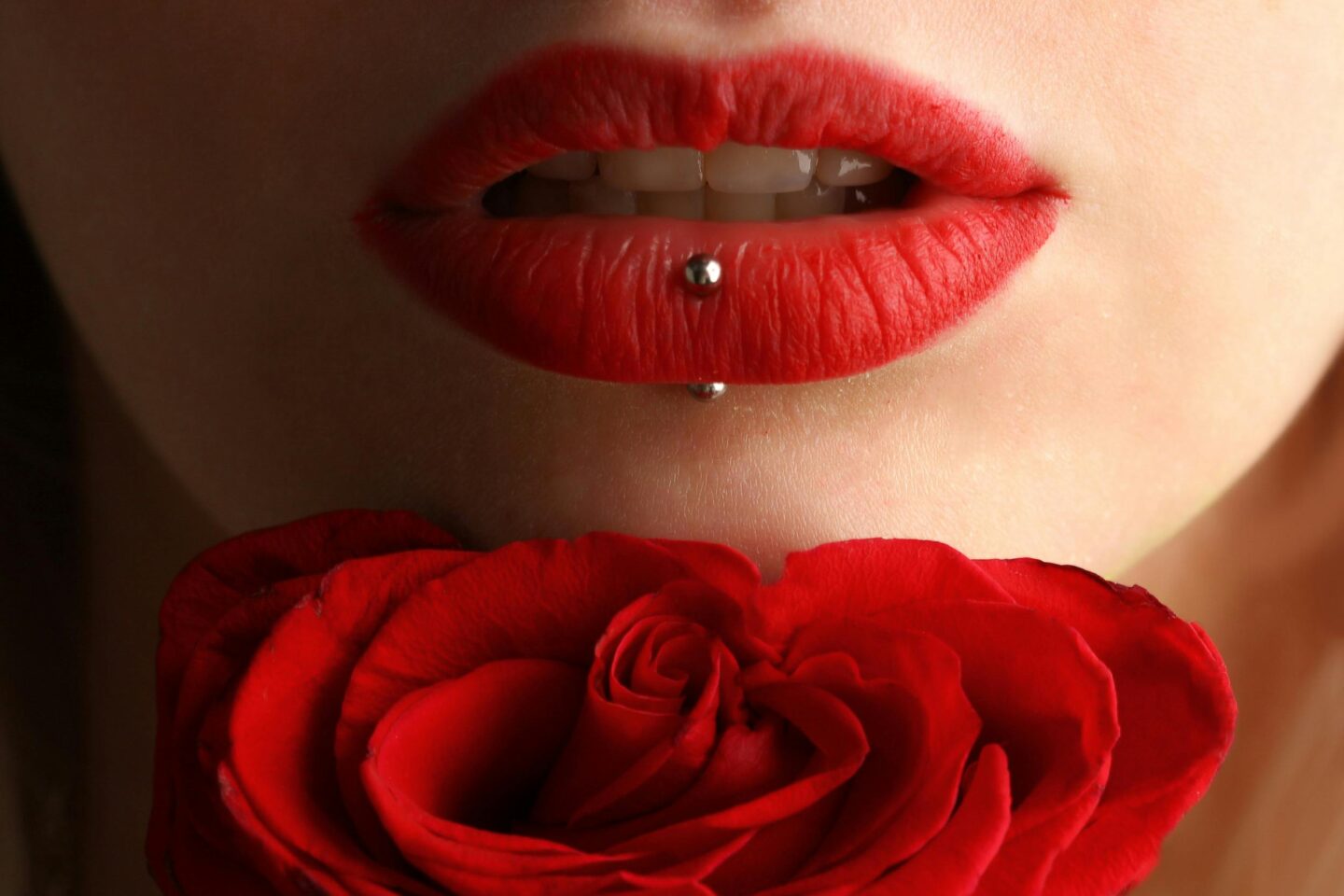
While body art can be purely aesthetic, it can also serve as a form of self-expression, a fashion statement, or have cultural or religious significance.
Some people also engage in body art as a form of performance art or to push societal boundaries. Body art has a long history and can be found in many different cultures worldwide.
This article will discuss the emergence of body piercings and how they traversed the lines between tradition and modern self-expression.
A Brief History Of Body Piercings
The art of body piercings, with its roots dating back thousands of years, carries a profound cultural significance. It has been a common practice among ancient cultures such as the Greeks, Egyptians, Mayans, Aztecs, and Romans, serving as a symbol of rituals and spirituality.
In some cultures, piercings indicated status symbols such as wealth, military ranks, and social status. For example, in ancient Egypt, only the pharaoh would have a navel piercing; if ordinary people got one, execution was their punishment. Similarly, the warrior tribes of the Mayans, Aztecs, and American Indians adorned septum piercings to look fiercer to their enemies.
As far as fashion goes, during the Renaissance and Elizabethan eras, it was popular for men to wear one or more earrings as a sign of nobility. Large diamond studs or pearl drops were the typical jewelry of choice, mainly because it would showcase wealth.
The Psychology And Self-Expression Of Piercings
Body piercing is a medium that enables individuals to convey their unique identity and aesthetic flair. It serves as a canvas for their personal journey, allowing them to express their individuality in parallel ways that differ from tattoos.
A septum ring can signify a non-conformist mindset, while a daith piercing demonstrates a fusion of trends and acceptance of tradition. In this way, body piercings act as personal symbols that let you visually express your identity.
The varying types of piercings and jewelry options offer limitless possibilities, turning every piercing into an amalgam of self-expression and fashion. It’s an unspoken dialect that conveys profusely, converting the body into a stage for personal narratives.
Psychologically speaking, body piercings symbolize various inspirations and perceptions. For some, they represent personal growth and resilience. Enduring the pain is also a testament to their strength; the results are a permanent reminder of a meaningful milestone.
Body piercings also represent a form of rebellion or asserting personal autonomy. Choosing an uncommon piercing area also signals a passion for defying norms. Besides being one of the most photogenic accessories, bold jewelry also portrays asserting one’s characteristic identity amidst the crowd. This delicate interplay between body piercings and psychology reflects how deeply personal this self-expression can be.
Popular Piercings To Make A Fashion Statement
Piercings are a form of self-expression that has been practiced for centuries. Today, piercings have become increasingly popular, with many different types to choose from. Here are some of the most popular types of piercings that have become widely recognized:
- Ear Piercings: These are among the most popular types of piercings. Many options exist, from traditional lobe piercings to more unique cartilage piercings and even stretching with ear plugs and tapers.
- Facial Piercings: Facial piercings have become increasingly popular over the years. Whether it’s a lip piercing, eyebrow piercing, or even a cheek piercing, facial piercings offer a unique way to express oneself.
- Nose Piercings: Nose piercings are also famous for those looking for a unique and trendy look. With all the varieties, you can choose from a simple single-nostril piercing to a more complex septum piercing.
- Body Piercings: Body piercings are becoming more popular, with options such as nipple piercings, belly button piercings, and even genital piercings. These piercings are more personal and might not be as visible as other types, but they offer a unique way to express oneself.
No matter what type of piercing you choose, it’s essential to research and find a reputable piercer. A good piercer will walk you through the process and ensure that you are comfortable and informed every step of the way.

When Did Body Piercings Become A Trend?
Over the past 100 years, young hippies across the U.S. started imitating the traditional nosering Indians wore. As they traveled to India to pursue enlightenment, they brought noserings to the U.S., leading to the rise in getting tattooed and body piercings
Eventually, subcultures like punk and goth popularized body piercings even further by introducing them into mainstream society as a form of rebellion in the 1970s. As a result, body piercings became a symbol of individuality and non-conformity, translating into unconventional self-expression and fashion.
With that, the 20th century saw a notable shift from having body piercings as a traditional practice to using them as aesthetic accessories. With this newfound perspective, many people embraced their individuality by experimenting and redefining their style.
Piercings and Artistic Expression
The beauty of body art lies in the wide range for every taste and duration. Make-up can be a temporary form of expression for the day; you can try out a wacky eyeshadow, or, on the other end of the spectrum, you could get a tattoo, a permanent mark on your body.
Piercings are a convenient form of self-expression because they can be temporary. If you want them to go away, you can take them out and let your body take care of the rest. You can also switch up your jewelry to find the style that’s best for you and makes you feel most yourself.
The beauty of body art, just like any other form of ‘traditional’ art, is that it is unique to the individual. We should celebrate and appreciate it as a visual art form, like a painting, photograph, or model.
This isn’t to say that you will like every type of body art—after all, beauty is in the eye of the beholder—but it is simply to say that many of us need to reconstruct our perception of makeup, tattoos, or piercings as another form of art.
The Focus On Body Positivity
Body piercing allows you to take charge of your physical self. The entire process of selecting the placement and piercing type is an intimate experience that nurtures a closer bond with one’s body.
This encourages self-love and acceptance because each piercing honors originality. It also helps build self-confidence since the visible adornment reflects the individual’s inner strength and personality. Body piercing can contest society’s beauty standards by supporting personal choices over traditional standards.
Hence, those who embrace body piercing often feel elevated body positivity, viewing their bodies as unique platforms for articulating personal tales and identities.
Parting Thoughts
With that said, piercings are a celebration of individuality and personal history while breaking stereotypes all over the world. From signifying cultural customs, they have become a symbol of resilience, rebellion, and self-expression.
Thank you for reading.







