Fashion photography has been shaping the way we see style and beauty for over a century. Originating in the early 20th century with the rise of fashion magazines, this genre of photography was initially influenced by fine art and portraiture. Legendary photographers such as Edward Steichen and Richard Avedon set the foundation for high-fashion imagery, using elaborate sets and dramatic lighting to highlight garments in an aspirational way. Over time, fashion photography evolved with cultural shifts, embracing more dynamic compositions, bold storytelling, and the increasing presence of diversity in models and aesthetics.
Today, digital technology and social media have transformed the industry. Photographers no longer rely solely on print magazines—Instagram, online campaigns, and influencer collaborations have created new platforms for fashion imagery. The demand for fresh and unique perspectives has never been higher, making this an exciting time for aspiring fashion photographers. This article will guide you through the essentials of the profession, from understanding key genres and responsibilities to selecting the right equipment and navigating the business side of the industry.
Types of Fashion Photography
There are several areas within fashion photography. Editorial photography is typically seen in high-end magazines like Vogue or Harper’s Bazaar, where the focus is on storytelling. Commercial photography, on the other hand, is used for advertising, showcasing products in a way that drives sales.
Many photographers also specialize in street-style photography, capturing real-life fashion moments in urban settings, or runway photography, documenting live fashion shows. Those with advanced skills can even explore fashion videography, creating dynamic video content for designers and brands.
What Does a Fashion Photographer Do?
A fashion photographer manages the entire creative process, from concept development to the final edited images. In the beginning, this involves brainstorming themes, selecting locations, and collaborating with stylists and makeup artists. The next step is model direction—knowing how to guide models for the best poses and expressions that align with the creative vision. Attention to detail is critical, as the positioning of fabrics, accessories, and lighting can significantly impact the final result.
After the shoot, post-production editing is a crucial phase. Software is used to refine colors, retouch skin, and adjust lighting to achieve a polished and professional look. Mastering this workflow is essential for beginners to stand out in the competitive industry.
How to Get Started as a Beginner
Breaking into fashion photography requires dedication and strategy. Beginners should start by practicing portrait photography to develop essential skills. Attending fashion events, reaching out to aspiring models for test shoots, and collaborating with stylists can help build a portfolio.
Formal education in photography can be beneficial, but it is not a strict requirement. Many successful photographers are self-taught through online courses and books. Studying the history of fashion, analyzing past and present trends, and following top photographers on social media can also help refine one’s aesthetic.
Another excellent way to gain practical experience and hands-on skills is by attending fashion photography workshops by Daria Koso. These workshops provide valuable insights, including working with professional lighting equipment, shooting one-on-one with models, receiving editing tips, portfolio reviews, and networking opportunities that can open doors in the industry.
Essential Equipment for Fashion Photography
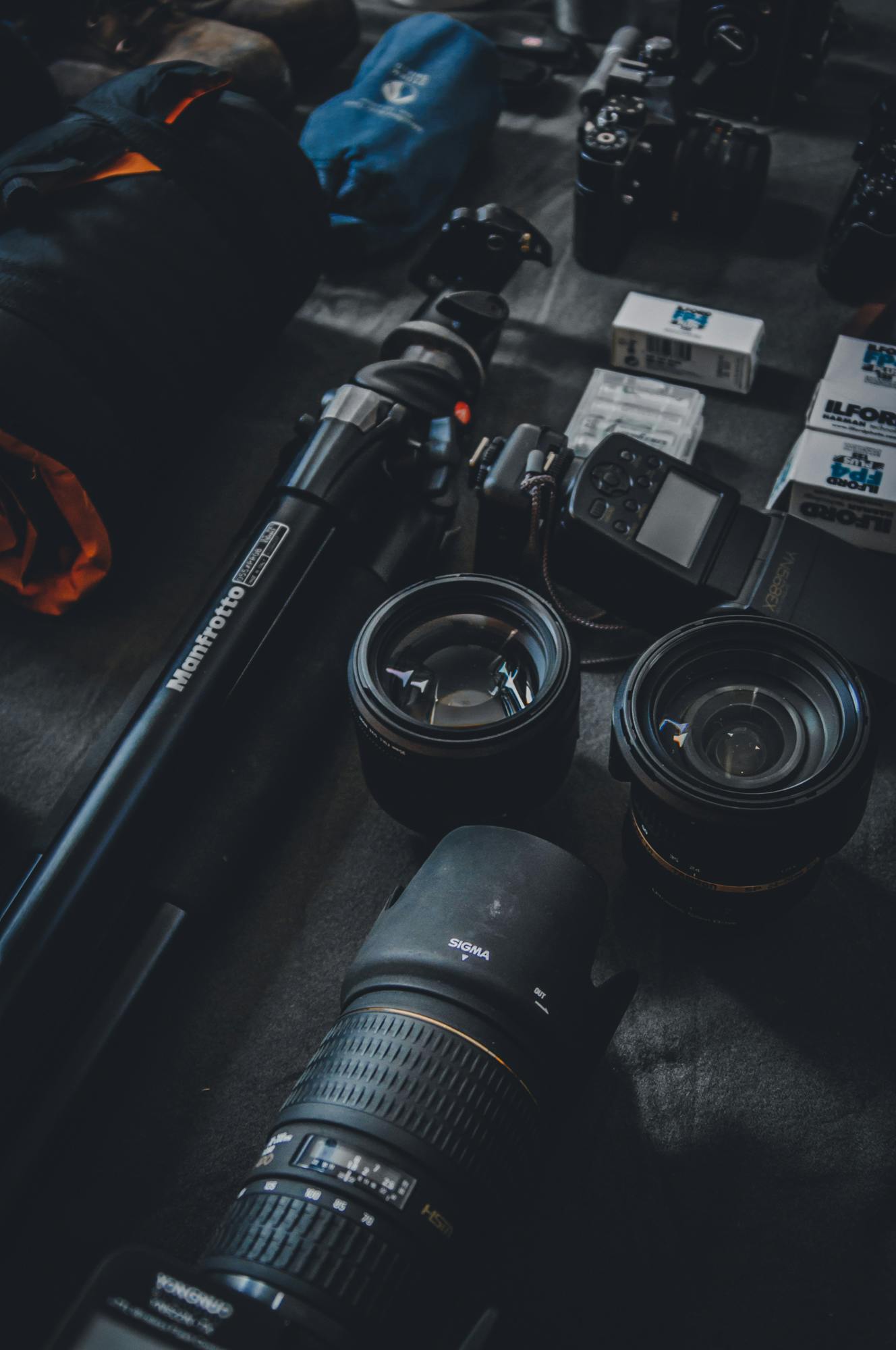
Investing in the right equipment is crucial to producing high-quality fashion images. While beginner photographers can start with a mid-range setup, professionals often work with high-end gear to achieve flawless results.
- Camera: A full-frame DSLR or mirrorless camera is ideal. The Canon and Sony are popular choices for their high-resolution sensors and superior image quality.
- Lenses: A 50mm f/1.2 lens is excellent for portrait shots, while a 24-70mm f/2.8 lens offers versatility for various compositions. Telephoto lenses, such as the 70-200mm f/2.8, are perfect for capturing runway shots.
- Lighting Equipment: A combination of natural and artificial lighting is essential. Softboxes like the Godox SL60W provide controlled studio lighting, while a Profoto B10 is a portable strobe for outdoor shoots.
- Editing Software: Adobe Lightroom and Photoshop, available through a Creative Cloud subscription, are industry standards for retouching fashion photos.
How Much Money Does a Fashion Photographer Earn?
Earnings in fashion photography vary widely depending on experience, location, and clientele.
- Beginner photographers often start with small projects, earning between $20,000 and $40,000 per year. Many work as freelance assistants before securing independent clients.
- Mid-level photographers with a strong portfolio and industry connections typically earn $50,000 to $100,000 annually. They may work with established brands or magazines.
- High-end fashion photographers shooting for major publications and luxury brands can make over $200,000 per year, with some earning upwards of $500,000, especially if they work internationally or with celebrity clients.
Freelance photographers have flexible earning potential, with fees ranging from $500 to $5,000 per shoot, depending on the complexity and prestige of the project. Some supplement their income by selling prints, conducting workshops, or licensing images.
In Summary
Fashion photography is an exciting and rewarding career that blends creativity with technical expertise. From editorial spreads to commercial campaigns, fashion photographers shape the way we perceive style and trends. Success in this field requires continuous learning, networking, and investing in high-quality equipment. By building a strong portfolio and cultivating industry relationships, aspiring photographers can establish themselves in this competitive but lucrative profession.
Thank you for reading.







