
Managing expenses effectively is one of the most critical skills for achieving sustainable success in rental property investing. However, many real estate investors fail to implement robust expense management practices.
Without proper tracking, budgeting, and cost control, profit margins suffer and returns dwindle. This article provides an in-depth guide to rental property expense management best practices that help optimize cash flow and maximize returns on investment.
We’ll explore proven methods for tracking all expenses comprehensively, creating accurate budgets, controlling costs, and structuring your real estate business to unlock the full benefits of expense optimization.
Carefully Document All Operating Expenses
Operating expenses are regular, ongoing costs necessary to run and maintain your rental properties on a day-to-day basis. Common operating expenses include:
- Property taxes – Thoroughly understand annual tax bills, payment deadlines, potential for appeals, and any special assessments. Connect with a knowledgeable local tax professional.
- Insurance premiums – Research providers and policy options to get the ideal coverage at the lowest price. Shop quotes annually.
- Utilities – Monitor usage closely via sub-metering. Consider energy efficiency upgrades to lower costs. Factor expenses into tenant leases appropriately.
- Maintenance and repairs – Budget 1-2% of property value annually for preventative maintenance. Create checklists for regular inspections and tasks.
Operating expenses typically consume 35-80% of collected rental income. Diligently tracking all operating costs is crucial for accurate budgeting and cash flow planning.
Maintain detailed records with dated receipts to maximize tax deductions as well.
When evaluating rental properties, it’s crucial to calculate the potential costs and cash flow accurately. Doing so manually can be challenging and time-consuming. That’s where investment property calculators come in. Free property investment calculators can help you model the potential costs and cash flow for rental properties you are considering. Instead of relying on a manual method, which can be difficult and prone to errors, these calculators streamline the process and provide you with accurate insights into your potential investment.
By inputting factors like purchase price, expected rent, tax rate, maintenance costs, and more, the calculators forecast key numbers to determine affordability and ROI.
While projections are only estimates, free calculators provide an objective starting point for evaluating potential investments.
Use them to stress test a property under different expense scenarios. Combine calculator outputs with your own careful expense tracking and budgeting for optimal results.
Allocate for Major Capital Expenses
In addition to recurrent operating expenses, investors must plan ahead for major capital expenditures required periodically:
- Full property renovations – Budget for interior updates/remodeling every 5-10 years to maintain competitiveness.
- Roof replacements – Start saving upfront for an inevitable roof replacement in 15-25 years.
- HVAC system upgrades – Swap older units proactively. Prioritize energy-efficient models to lower utility expenses.
Setting aside 1-3% of the property’s total value annually provides the necessary capital for these major projects that boost functionality and value. Tracking past capital projects also informs realistic future budgets.

Maintain Meticulous Expense Records
Meticulous record-keeping is non-negotiable for rental property success. Here’s how to stay highly organized:
- Document every expense immediately in accounting software. Retain dated receipts and invoices.
- Categorize expenses correctly – accurate categorization enables better cash flow analysis.
- Perform monthly reconciliations to ensure no expenses are missed. Investigate and fix discrepancies.
- Consult a knowledgeable tax professional to maximize write-offs and depreciation strategies.
- Maintain digital and physical copies of all records. Access to past records enables better forecasting.
72% of surveyed landlords report that detailed tracking directly correlates with investing success. Well-organized records also optimize tax deductions.
Create and Follow a Comprehensive Budget
Creating and adhering to a detailed rental property budget is non-negotiable for optimizing cash flow and minimizing risk. However, approximately 50% of landlords currently lack a formal written budget. Developing a comprehensive budget eliminates surprise shortfalls and provides a roadmap for profitability.
Build a Realistic Master Budget
- Project income conservatively to account for vacancies, collection loss, and slow months. Avoid overly optimistic income assumptions.
- Categorize expenses extensively using your documented past expenses and industry benchmarks. Include reserves for maintenance, capital projects, utilities, taxes, insurance, property management fees, and emergencies.
- Compare your budgeted income and expenses to determine your expected cash flow and return on investment. Refine numbers until satisfied.
- Review the master budget monthly. Adjust line items to match actual numbers. Update the budget quarterly as needed.
Maintain Adequate Emergency Savings
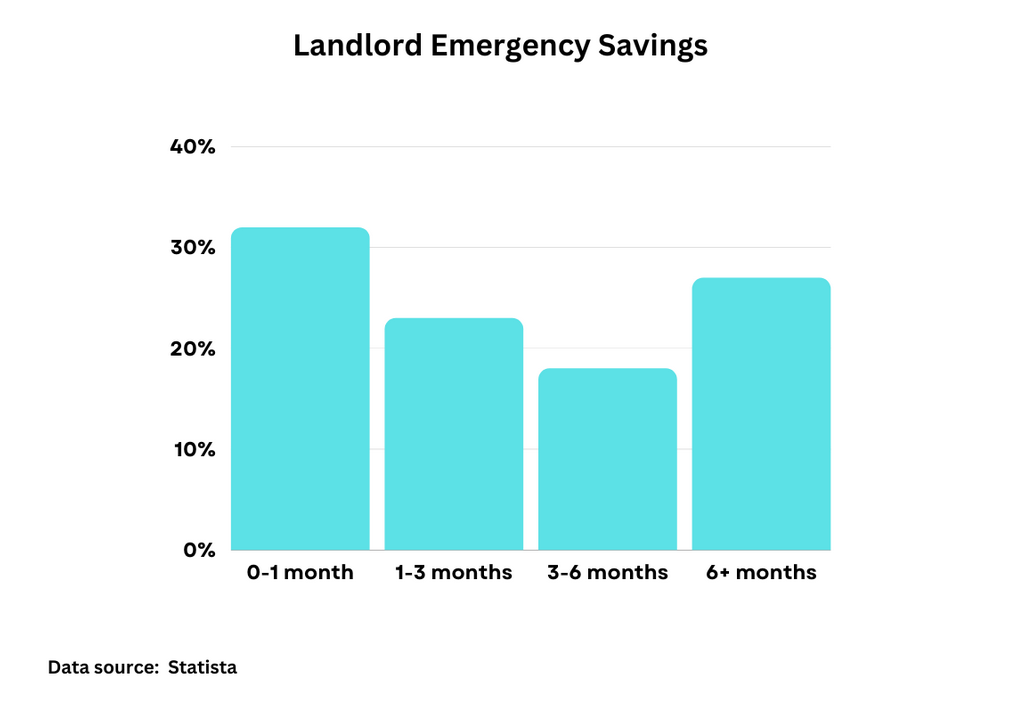
An emergency fund covering 6-12 months of expenses is vital. Surveys show that 44% of rental property owners lack adequate emergency reserves, leaving them financially vulnerable. Major capital repairs or vacancies can quickly strain cash reserves.
- Build up emergency savings aggressively through additional owner contributions if needed. Don’t rely solely on rental income.
- Verify emergency funds could sustain your entire rental portfolio for 6+ months with zero income before feeling secure.
- Only use emergency funds for true emergencies – avoid dipping into them for smaller expenses. Replenish as needed. Following a carefully constructed budget and maintaining emergency reserves prevents unexpected shortfalls and provides stability if the unexpected occurs.
Implement Proven Cost Control Strategies
Controlling costs directly boosts investment returns. Apply these strategies:
- Perform thorough preventative maintenance to avoid expensive emergency repairs. Studies show regular maintenance reduces operating expenses by 10-20%.
- Negotiate discounted service contracts with vendors through bulk packages, loyalty discounts, etc. Industry data reveals savings of up to 25% on maintenance costs are possible.
- Research competitively priced vendors and get multiple quotes before hiring. Don’t be afraid to switch providers.
- Invest in energy efficiency upgrades to reduce utility expenses. Tax rebates often offset costs.
- Spot-check expenses monthly and look for ways to optimize – shop insurance annually, analyze utility usage, and renegotiate contracts.
Savvy cost management meaningfully improves profitability.
Optimize Expenses to Maximize Returns
Proper expense management enhances returns on investment. Here’s how:
- Meticulous record-keeping enables maximum tax deductions, improving cash flow and returns.
- Budgeting ensures predictable positive cash flow, allowing the property to fund itself and its expenses.
- Preventative maintenance and vendor negotiations significantly reduce operating expenses, increasing net profit.
- Emergency funds prevent unexpected shortfalls that negatively impact ROI.
- Reducing maintenance costs and utilities directly boosts NOI and ROI benchmarks.
The numbers prove expense optimization improves ROI substantially.
Final Thoughts
In closing, implementing robust rental property expense tracking, budgeting, and cost control substantially optimizes cash flow, reduces risk, and enhances returns on investment.
While proper expense management requires upfront effort, it pays major dividends over the lifespan of a rental property by maximizing profitability. Follow the expense management best practices outlined in this guide to set your rental property business up for sustainable long-term success.
Frequently Asked Questions
- What expenses should I track for my rental property?
Track operating expenses like taxes, insurance, maintenance, utilities, and capital expenses like renovations. Document everything with receipts.
- How can I ensure accurate record-keeping?
Use accounting software to organize receipts and invoices. Perform monthly reconciliations. Consult a tax professional to maximize deductions.
- What are cost control strategies to minimize expenses?
Create maintenance checklists for each property. Negotiate discounted vendor contracts. Research to find competitively priced service providers.
Thank you for reading.







