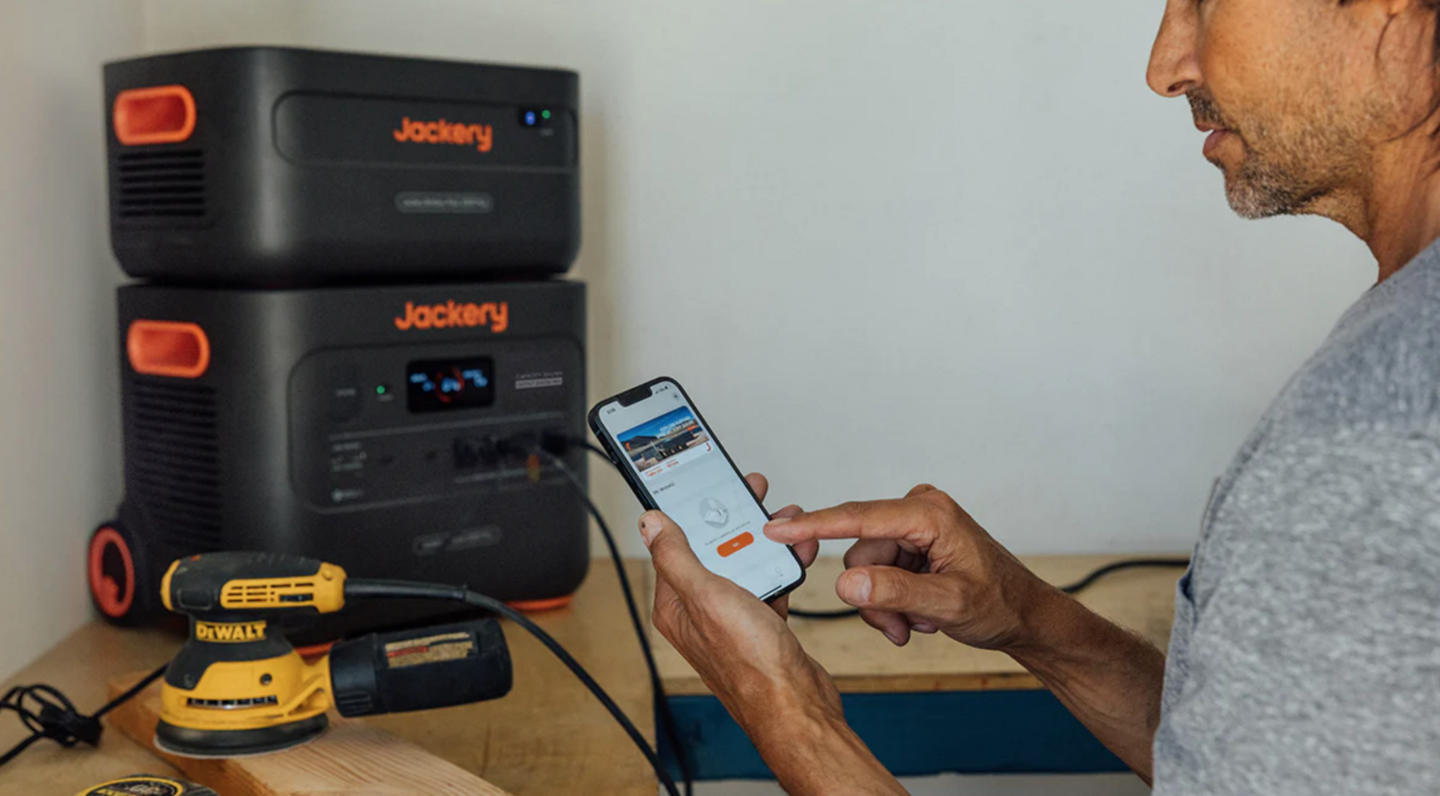
In Australia, the vast and diverse landscapes are not just a haven for natural beauty and wildlife, but they also present unique challenges in terms of infrastructure, including the frequent occurrence of power outages. Whether caused by natural disasters like bushfires and severe storms or infrastructure issues such as grid overloads or maintenance faults, power outages can disrupt daily life significantly.
Understanding how to respond effectively during electricity blackouts is crucial. A proactive response not only helps in managing the situation without panic but also ensures safety and a quick return to normalcy once power is restored. This article aims to guide you through accessing the latest power outage map and outlines essential actions to take during power outages to minimize disruption and maintain safety.
As you navigate through the unpredictability of power outages, Jackery portable generators can be indispensable.
Accessing the Latest Power Outage Map
Power outages in Australia can affect vast regions, impacting urban and rural areas alike. Common power outage zones include the highly populous regions of New South Wales and Victoria, often due to severe weather events or infrastructure strain. Queensland frequently experiences outages from cyclones and storms, while South Australia and Western Australia may see blackouts due to bushfires and remote area supply issues. In Tasmania, outages are typically related to severe winter storms, and in the Northern Territory, the remoteness can often delay restoration efforts.
To stay informed about current power outages, Australians can access real-time power outage maps, a vital tool provided by electricity providers and government agencies. If you’re wondering, “Is there a power outage in my area?” these maps are available on the websites of local utility companies such as Ausgrid, Energex, and Powercor, as well as on state government websites. Some providers also offer mobile apps that not only display outages in real-time but also provide notifications and updates directly to your device, answering your query promptly and efficiently. If you’re asking yourself, “How can I check a power outage in my area?” these resources are indispensable for receiving immediate updates.
The importance of these real-time maps cannot be underestimated. They offer up-to-date information on the extent of the outage, the areas most affected, expected restoration times, and sometimes the cause of the outage. This information is crucial for planning, especially if you are in an area prone to frequent or prolonged power outages. Knowing the duration of an outage can help households and businesses alike make necessary arrangements—whether it’s conserving power on backup battery systems like those offered by Jackery, relocating to places with power, or simply adjusting plans to accommodate the current situation.
For example, during a blackout, a Jackery portable solar generator can be invaluable. Products like the Jackery Solar Generator 2000 Plus ensure that despite the lack of grid power, your household can continue to function by powering essential devices such as refrigerators, lights, and communication tools. Knowing the likely duration of power outages through these maps allows you to plan the usage of these generators effectively, ensuring that you remain powered throughout the outage.
The Guidance for Power Outages
1. Safety Measures During Power Outage
During power outages, safety is paramount. Here are essential precautions every household should take to prevent accidents and minimize risks:
- Unplug Electrical Devices: Surge voltages can occur when power is restored, which can damage electronic equipment. Unplug all non-essential appliances to avoid the risk of surge damage.
- Use Flashlights Instead of Candles: To prevent fire risks, use battery-operated flashlights or LED lanterns instead of candles. These are safer lighting options, especially in households with children or pets.
- Avoid Carbon Monoxide Risks: If using fuel-based back generators, such as diesel or gas, ensure they are operated in well-ventilated areas outside the home. Never use these generators indoors or in enclosed spaces like garages, as they can emit harmful carbon monoxide.
Additionally, during outages, it’s crucial to:
- Stay Clear of Fallen Power Lines: Always assume that any fallen lines are live. Stay at least 10 meters away and report them to your local utility company or emergency services immediately. Never attempt to move or touch fallen power lines.
- Ensure Proper Food Storage: To maximize the cold retention of your food, avoid opening the refrigerator and freezer frequently. An unopened refrigerator can preserve its temperature for approximately four hours. Similarly, a completely filled freezer can stay cold for about 48 hours, while one that’s half full will last around 24 hours.
Using products like the Jackery Solar Generator 500 during outages can provide a reliable power source for your safety devices, such as flashlights and communication tools, without the risks associated with traditional generators. This solar-powered generator is not only safe to use indoors but also portable, aligning with the needs of modern, environmentally-conscious Australian households.

2. Emergency Preparedness
In the event of a power outage, being prepared can significantly reduce stress and help maintain safety and comfort. Here are some essential tips for emergency preparedness:
- Stock an Emergency Kit: Ensure you have a well-prepared emergency kit that includes flashlights, extra batteries, non-perishable food, bottled water, a first-aid kit, and any necessary medications. This kit should be easily accessible and checked regularly to replace or replenish supplies as needed.
- Develop an Emergency Plan: It is crucial to have a clear communication and evacuation strategy that all family members are familiar with. This plan should include safe meeting points, contact information for each family member, and specific steps to follow during different types of emergencies. Ensure that children understand the plan and can communicate their names, home addresses, and phone numbers to emergency personnel if needed.
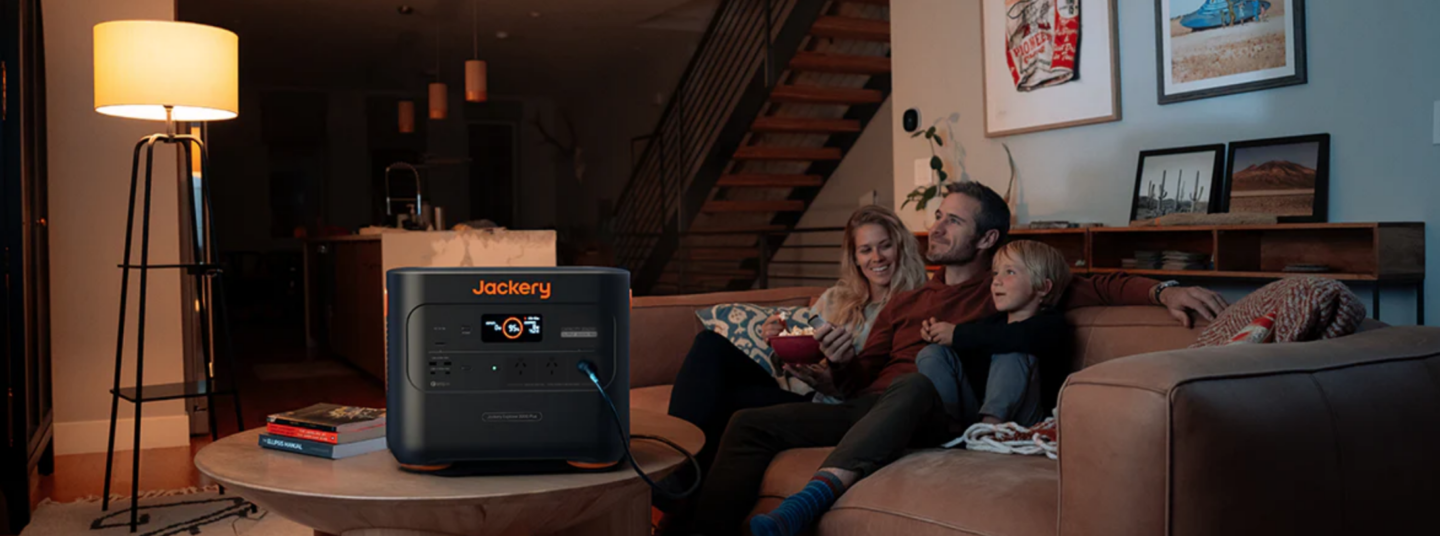
- Utilize Solar Power Generators: For a reliable power source during blackouts, especially for heavy-duty equipment, consider using solar power generators. The Jackery Solar Generator 2000 Plus, for instance, offers a powerful and sustainable option. This generator features an expandable capacity of up to 12kWh, providing enough power for a period of off-grid living, which is vital during extended power outages. Its LiFePO4 battery ensures a 10-year lifespan, and it incorporates ChargeShield Technology for optimal safety. Whisper-quiet, emission-free, and capable of rapid solar charging, this generator supports various modes suitable for any situation:
- High Power Mode: Ideal for powering home appliances like lights and refrigerators continuously, ensuring that your essential services remain operational.
- Ultra-Long Standby Mode: This mode allows the generator to hold a 50% charge for up to two years, making it ready for emergencies whenever they occur.
- Emergency Power Supply (EPS): With a 20ms response time, this mode keeps critical appliances like refrigerators and CPAP machines running seamlessly during abrupt power cuts.
For lighter needs, the Jackery Solar Generator 500 is another excellent choice. It pairs the Jackery Explorer 500 Portable Power Sation with the Jackery SolarSaga 100W solar panel, providing a compact, clean, and quiet power solution. With a 518Wh capacity and multiple output options, it is perfect for charging communication tools and other essential devices during a power outage. Its solar panel is waterproof, foldable, and portable, designed for both home use and outdoor adventures, ensuring that you have access to power wherever you go.
Both of these systems highlight how Jackery’s innovative products can enhance emergency preparedness, offering reliable solutions that keep you connected and protected during power outages.
3. Minimizing Disruption During Power Outages
Minimizing the impact of power outages on your daily life involves simple yet effective strategies that can help preserve essential resources and maintain a semblance of normalcy until power is restored.
- Preserve Refrigerated Food: During a power outage, preventing food spoilage is crucial. Minimize opening the refrigerator and freezer to help maintain their internal temperatures. An unopened refrigerator will keep contents cold for approximately four hours. A freezer that is full can preserve its temperature for up to 48 hours, while one that is half full will last about 24 hours. If you expect a lengthy outage, transferring perishables from the refrigerator to the freezer can be beneficial, as a fuller freezer retains cold more effectively.
Besides, preparing a portable refrigerator for about 50W to keep some necessary food and medicines.
- Use Alternative Cooking Methods: Having alternative cooking options available, such as outdoor grills (1200W) or mini camp stoves (500W). Always ensure these devices are used in well-ventilated areas to avoid any risk of carbon monoxide poisoning. Additionally, portable solar cookers can be a viable option for sunny days, offering a completely fuel-free way to cook food.
- Conserve Mobile Device Battery Life: During an outage, it’s essential to conserve the battery life of mobile devices (20W) since they are your line of communication to the outside world. Reduce screen brightness, close unnecessary apps, and switch to power-saving mode.
Moreover, the psychological aspect of dealing with a power outage is as crucial as the practical. It’s important to:
- Stay Calm and Patient: Power outages can be stressful and disrupt daily routines, but maintaining a calm and patient demeanor helps you to think clearly and respond effectively. Remind yourself that utility companies are typically aware of outages and are working to restore power as quickly as possible.
- Stay Informed: Keep a battery-powered or hand-crank radio (5w) on hand to receive updates about the power outage and any news on when electricity might be restored. Staying informed helps reduce anxiety and allows you to make better decisions about how to manage the situation.
| Device | Power Requirement (W) | Jackery Solar Generator 2000 Plus | Jackery Solar Generator 500 |
| LED Emergency Lighting | 21W | 77.8h | 19.45h |
| Portable Refrigerator | 50W | 32.7h | 8.1h |
| Outdoor Grills | 1200W | 1.4h | / |
| Mini Camp Stoves | 500W | 3.3h | 0.8h |
| Mobile Devices (Phone) | 20W | 81.7 | 20.4 |
| Hand-Crank Radio | 5W | 326.7h | 81.6 |
4. Seeking Assistance and Community Support
During a power outage, knowing how to seek assistance and utilize community support can make a significant difference in managing the situation effectively. Here are some steps to follow:
- Reporting Power Outages: Contact your local electricity provider immediately to report a power outage. Most providers have dedicated hotlines and online reporting tools that can be accessed through their websites. Provide them with your location, the time the power went out, and any observations that might help identify the cause of the outage, such as downed power lines or loud noises prior to the blackout.
- Contacting Emergency Services: In cases where power outages create immediate dangers, such as fallen power lines, fires, or medical emergencies, contact emergency services. The Australian emergency number is 000, which can be dialed for fire, police, or ambulance assistance.
- Utilizing Community Support Organizations: Many communities have local organizations that provide aid during emergencies, including power outages. These can include community centers, local councils, and non-profits that offer resources like temporary shelters, food, water, and medical supplies.
- Neighborly Check-Ins: Encourage residents to check on each other, especially the elderly, those with disabilities, or families with young children. Sharing resources like generators, water, food, or even power banks can help alleviate the difficulties caused by the outage.
Q&A about Power Outage Map and Power Outage
1. How to report an electricity outage in the ACT
In the Australian Capital Territory (ACT), residents should report electricity outages to Evoenergy. You can contact them via their emergency and faults number available on their website, or use their online system to report the outage directly. It’s helpful to provide specific details about the outage to assist their technicians in quickly addressing the issue.
2. How to report an electricity outage in NSW
For residents of New South Wales (NSW), electricity outages should be reported to the local network provider. This could be Ausgrid, Endeavour Energy, or Essential Energy, depending on your location. Each provider offers a 24-hour contact number and an online fault reporting tool on their website. They also provide updates on restoration times and power outage maps.
3. How to report a natural gas outage or fault
To report a natural gas outage or fault, contact your gas provider immediately. Major providers like Jemena Gas Network in NSW provide a 24-hour emergency hotline. Be sure to report any signs of a gas leak or damage to gas infrastructure, as these can pose serious risks.
By taking these steps, you can ensure that you’re not only prepared for a power outage but also actively contributing to your community’s safety and resilience during such events. In these moments, products from Jackery, such as the Solar Generator 2000 Plus or the Explorer 500, can provide critical backup power, ensuring that communication lines remain open and essential devices stay operational.
Conclusion: Discover the Power of Jackery
Navigating life’s uncertainties, including frequent power outages, demands reliable solutions. Jackery stands out with innovative, sustainable, portable power products tailored for any situation—from home blackouts to outdoor adventures.
Explore how Jackery can enhance your power readiness and resilience. Visit Jackery to learn more about their products and how they can be part of your emergency preparedness plan. Jackery isn’t just about meeting your power needs—it’s about exceeding them, ensuring you’re always prepared, no matter the circumstances.
Thank you for reading.