Making a rental property safe for little ones takes some extra effort, but it’s important for preventing injuries and creating a welcoming space for families. As a rental owner, you want to take reasonable precautions without going overboard on restrictions or permanent modifications. Achieving that balance starts with understanding the key do’s and don’ts. Continue reading the article below as we explore more on the dos and dont’s of childproofing a rental property.
Do’s of Childproofing a Rental Property
When getting your rental ready for little guests, focus first on childproofing the hazardous areas without permanent modifications. Here are the top things to do:
Use Removable Safety Products
Install inexpensive, removable safety products that are easy to apply and remove without damaging surfaces. Some good options include:
- Corner cushions for sharp table and counter corners
- Furniture anchors to secure unsteady dressers and bookshelves
- Outlet covers to prevent poking fingers
- Cord winders and entryway covers to secure loose cables
- Temporary door knob covers and door stops
- Appliance locks for the oven, fridge, and kitchen cabinets
These reusable products are convenient for turning the rental back to normal after a family stay.
Secure Floor Plan Changes
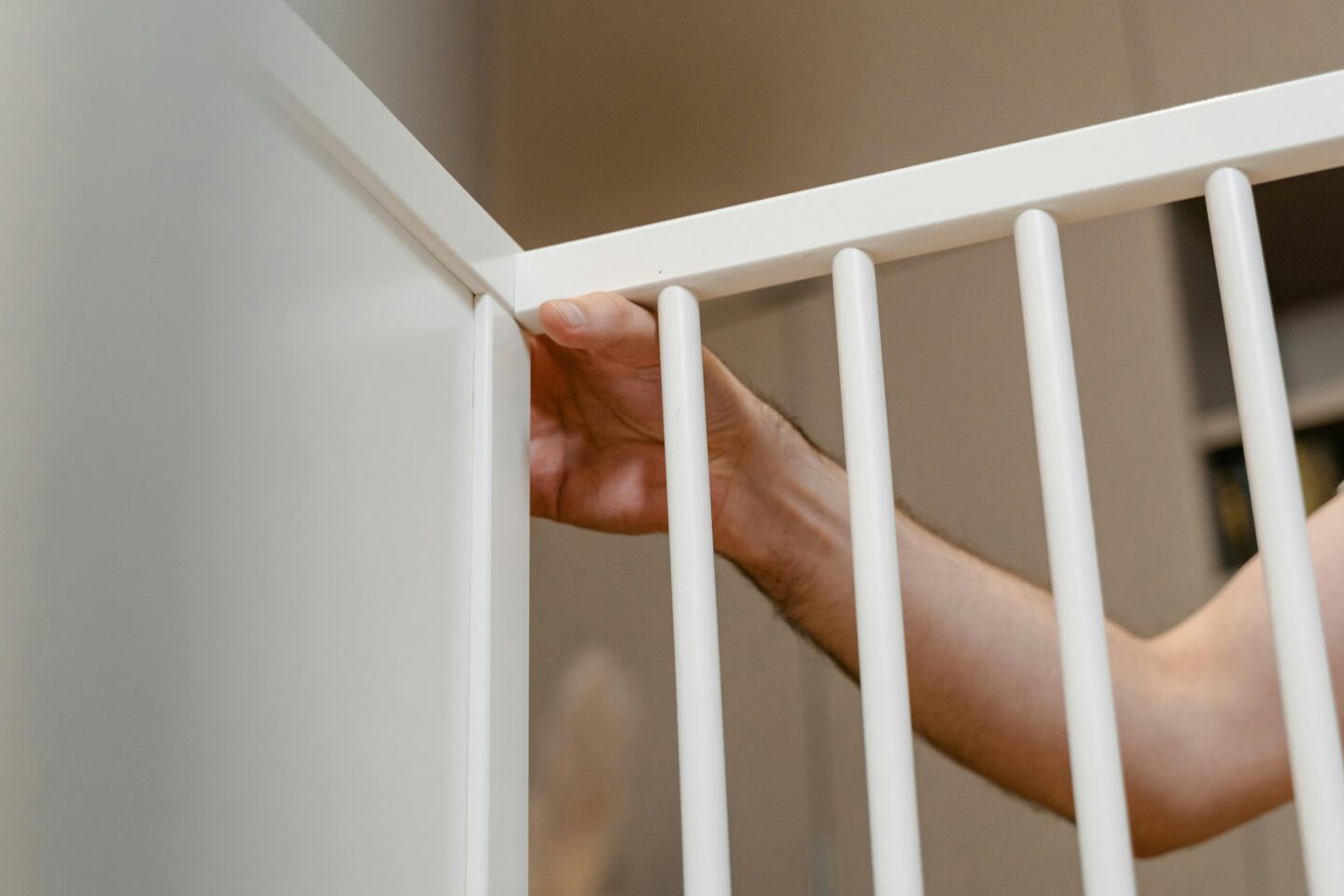
Use a removable “kid zone” baby gate to section off areas like the kitchen, stairs, and utility rooms. Just ensure it meets safety guidelines for rentals.
Also, use non-damaging hardware to strap TV stands and entertainment centers to the wall studs to prevent tipping. Follow these additional tips to childproof your home so that it retains its overall value while being family-friendly.
Lock Up Chemicals and Meds
During a family’s stay, lock all cleaning products, chemicals, medications, alcohol, and cigarette products high in closets, cabinets, or hampers.
Highlight Kid-Friendly Features
Note family-friendly features in listing photos and descriptions. This includes bath mats, outlet covers, cord management, and anything already secured with tenants in mind.
The key is to take small prevention measures without limiting future bookings. First, focus on hazardous rooms, use temporary products, and market family readiness.
Don’ts of Childproofing a Rental Property
While getting your rental guest-ready, be careful not to over-childproof in ways that cause permanent damage or drastically change the home. According to Bay Property Management Group Boston, such changes can create a significant negative impact on your property. Here are key things to avoid:
Don’t Make Permanent Physical Changes
No matter how small, any permanent alterations like painting, drilling holes, removing doors/knobs, or dismantling fixtures should be avoided without pre-approval from the landlord. For example, don’t install permanent safety gates at staircases or adhere to anti-slip tape on floors. These can impact future rental guests and resale value.
Also, don’t use aggressive adhesives for childproofing products, as they could strip paint or damage surfaces when removed. Instead, opt for easily removable, self-adhesive corner guards, outlet plugs, and non-slip bathtub appliques that won’t leave a trace.
Don’t Block Access to Necessary Areas
Avoid completely locking off or blocking the kitchen, laundry room, garage, outdoor spaces, or any areas essential for adults using the rental. For example, don’t install door knob covers and gates on every door or have safety locks that prevent adults from easily accessing appliances, electricity, or plumbing shut-offs when needed.
Don’t Make House Rules That Are Too Strict
While reasonable supervision rules are expected, don’t create overly restrictive house policies about kids playing, running around, or making noise indoors. As long as children are properly supervised for safety, they can use rooms as intended without excess noise or disturbance rules that consistently stress families about behavior issues.
Don’t Ignore Small Hazards
It’s risky to assume adults will hover over children at all times. Take proactive steps to minimize injuries from even small hazards within reach. This includes keeping hot appliances pushed to the back of countertops, securing TV tip-over risks, storing chemicals out of sight and reach, covering sharp furniture corners, and installing inexpensive childproofing products. Don’t rely solely on supervision for injury prevention.
The Don’ts mostly center around respecting the property and tenants by not taking overzealous or destructive measures in the name of child safety. Focus on non-permanent solutions, keep what’s needed accessible, set realistic rules, and secure risks big and small. The goal is to reduce injury risks while also maintaining amenities and flexibility for all guests.

Setting Strict Policies to Avoid Breaking Lease Agreements
When preparing your rental property for visiting families, be sure to revisit your existing lease agreement restrictions before making changes. Installing child safety devices or updating certain policies could potentially violate rules against permanent alterations, excessive noise, or other clauses if not done properly. Avoid lease violations and deposit losses with these tips:
Review Alteration Clauses
Carefully check for any clauses prohibiting permanent alterations like painting, hardware installations, sanding, carpeting removal, etc. If the lease doesn’t clearly state what’s allowed for temporary safety devices, discuss options with your landlord first. Never drill, structurally alter, stain, strip, or make holes without permission.
Check Noise Ordinances
See if your city or rental community has strict noise rules during certain hours that could impact lively children at play. Inform guests upfront of any potential disturbances to neighbors.
Revisit Pet and Smoking Policies
If your lease bans pets or smoking, explicitly remind families beforehand to avoid misunderstandings. Also, disclose any shared outdoor spaces where existing tenants may smoke or have dogs off-leash.
Set a Refundable Security Deposit
Collect an additional refundable deposit dedicated specifically to childproofing changes, just in case any adhesive products do peel paint or damage surfaces upon removal after the family checks out.
Final Words
Follow these dos and don’ts when childproofing your rental property. By double-checking current rental rules, setting clear expectations, and taking financial precautions, both you and the guests can feel at ease tackling safety updates. Review together any lease clause concerns relating to child tenants. Then, agree to reasonable guidelines and financial protection for covering any unlikely damages.
Thank you for reading.