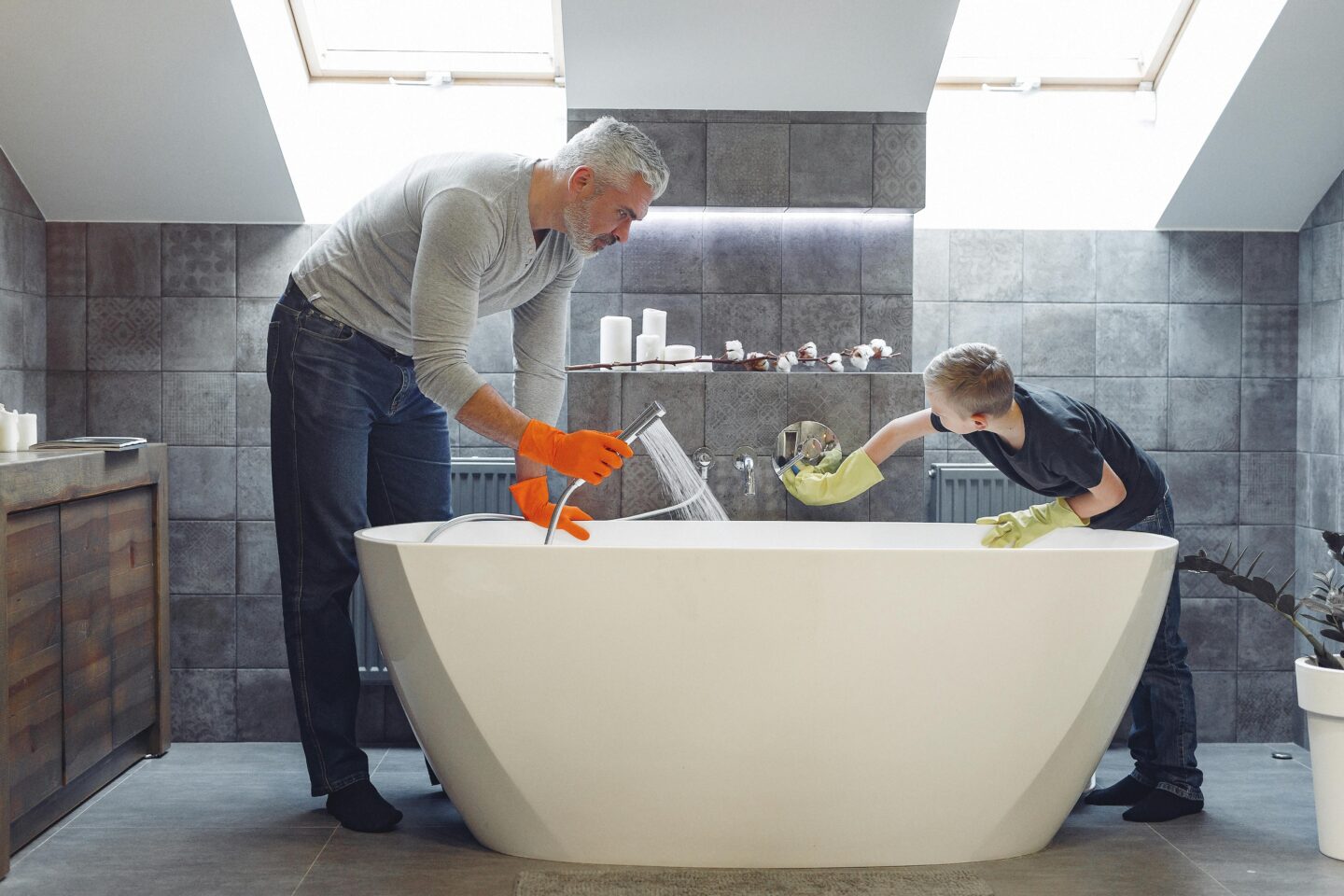
Getting your kids to pitch in around the house doesn’t have to be a struggle. By turning chores into engaging activities, you can create a more positive atmosphere while fostering responsibility. Consider using strategies like chore charts or fun games that make tasks feel less like a burden. You might even find that small incentives spark their interest. But what’s the best approach to guarantee they not only help but enjoy it? The answer might surprise you, and it starts with understanding their unique motivations.
Make Chores a Game
Turning chores into a fun game can transform household tasks from dreaded duties into exciting challenges for your kids. When you create a playful atmosphere around chores, you’ll see their engagement soar.
Start by setting a timer and challenge them to complete a task before it goes off. This adds a sense of urgency and excitement.
You can also introduce a point system. Assign points for different chores and let them compete to see who can earn the most in a week. Rewarding them with small prizes or privileges can motivate them even further. For example, after accumulating a certain number of points, they could choose a family movie night or a special treat.
Try incorporating music to make the atmosphere lively. Play their favorite upbeat songs while they clean, turning the task into a mini dance party.
You could even create themed cleaning days—like a “Superhero Saturday”—where they dress up and imagine they’re saving the day by tidying up.
Establish a Chore Chart
Creating a chore chart is a great way to keep the momentum going after making chores more enjoyable. By visually mapping out tasks, you can help your kids understand what’s expected of them while instilling a sense of responsibility.
Start by listing age-appropriate chores that align with their interests and skills. This not only makes them more likely to engage but also fosters a sense of ownership.
You can use a simple whiteboard, printable templates, or even digital apps to create the chore chart. Make it colorful and fun—add stickers or markers to track completed tasks. Encourage your kids to decorate the chart, making it feel personal and inviting.
Set clear guidelines about how often chores should be completed, whether daily or weekly.
Be sure to review the chart together regularly, celebrating achievements and discussing any challenges. This open communication helps them feel heard and valued. You can also encourage independence by involving your kids in organizing their own schedules. For example, if they’re attending an online public school, they can take ownership of their study times and chores, learning how to balance responsibilities effectively.
Set a Routine
Establishing a routine helps kids know when it’s time to tackle their chores, making it easier for them to take ownership of their responsibilities. When they understand what’s expected and when, they’re more likely to engage positively.
Here are three practical tips to set a successful routine:
- Choose a Consistent Time: Pick a specific time each day or week for chores. Whether it’s after school or before dinner, guarantee it’s a time that works for your family.
- Make It a Family Affair: Involve everyone in the routine. When kids see you doing chores alongside them, it fosters a sense of teamwork and shared responsibility.
- Keep It Flexible: Life can be unpredictable, so be ready to adjust the routine as needed. If a scheduled time doesn’t work one week, find a new one that does. This flexibility helps kids feel less pressured and more willing to participate.

Offer Incentives
Once routines are in place, offering incentives can make chores feel less like a burden and more like an opportunity. Kids often respond well to rewards, so consider creating a system that motivates them to pitch in.
You might start by listing the chores that need to be done and assigning a point value or reward for each task. For example, taking out the trash could earn them 5 points, while vacuuming the living room might earn 10 points.
Make it fun! Once kids accumulate a certain number of points, let them choose a reward. This could be extra screen time, a special treat, or even a fun outing. The key is to guarantee the rewards are appealing to your child, so they feel excited about helping out.
Additionally, you can offer small incentives for completing chores consistently. For instance, if they help out for a week, reward them with a movie night or a new book.
This not only fosters a sense of accomplishment but also builds a positive attitude toward responsibilities. By making chores rewarding, you’ll cultivate a sense of teamwork and responsibility in your kids, making household tasks a shared effort rather than a chore.
Encourage Teamwork
Teamwork can transform chores from a mundane task into a fun family activity. When you encourage your kids to work together, you create a sense of camaraderie and shared responsibility.
Here are three practical ways to foster teamwork while tackling household tasks:
- Assign Roles: Divide chores based on each child’s strengths and interests. One might love vacuuming while another enjoys dusting. This not only makes the tasks more enjoyable but also builds confidence in their abilities.
- Set Group Goals: Create a family challenge where everyone pitches in to complete a specific task within a set time. Whether it’s cleaning the garage or organizing a playroom, working toward a common goal encourages collaboration and boosts motivation.
- Celebrate Achievements: After completing chores as a team, take a moment to acknowledge everyone’s hard work. Share a treat or enjoy a fun family activity afterward. This reinforces the idea that teamwork leads to rewarding outcomes.
Lead by Example
Modeling the behavior you want to see in your kids can greatly impact their willingness to help around the house. When they observe you tackling chores with enthusiasm, they’re more likely to mimic that attitude.
Start by incorporating small tasks into your daily routine, like washing dishes or organizing a room, and let them see you enjoying the process.
Make it a point to verbalize your actions. For instance, say things like, “I love how clean this looks when I tidy up!” This reinforces the idea that helping out can be fulfilling.
Additionally, get your kids involved by explaining why each task matters. When they understand the purpose behind chores, they’ll feel more connected to the process.
Don’t shy away from sharing your own struggles, either. Let them know that it’s okay to find certain tasks challenging. This vulnerability encourages them to feel comfortable tackling their own chores.
Remember, consistency is key. The more they see you actively participating in household responsibilities, the more likely they’re to follow suit.
Celebrate Their Efforts
Celebrating your kids’ efforts, no matter how small, can greatly boost their motivation to help around the house. When you recognize their contributions, you’re not just acknowledging the task but also encouraging a positive attitude toward chores.
Here are three simple ways to celebrate their efforts:
- Verbal Praise: Acknowledge their hard work with specific compliments. Instead of just saying “Good job,” try “You did an amazing job cleaning your room today. It looks great!”
- Create a Reward System: Establish a simple reward system, like earning stickers for completed tasks. Once they collect a certain number, they can trade them in for a fun activity or small treat.
- Family Recognition: Dedicate a family meeting or dinner to celebrate everyone’s efforts. You might share a “Chore Champion” of the week, highlighting their contributions and inspiring others to join in.
Conclusion
By turning chores into fun games and fostering teamwork, you’ll not only lighten your load but also create lasting memories with your kids. Remember, a little encouragement goes a long way—like watering a plant, your support helps them grow a sense of responsibility. Establish routines and celebrate their efforts, and soon, you’ll see them stepping up with pride. So, roll up your sleeves, and watch as your household transforms into a collaborative, cheerful space!
Thank you for reading.







