
In a world that often prizes extroversion, it can be easy to overlook the needs of introverted children. Yet quieter, more inward-focused children have just as much to offer. By understanding their temperament and nurturing their development through regular quiet time, we can help introverted children thrive. Whether in a family or classroom setting, carving out solo time helps introverted children recharge their social batteries and process their rich inner worlds.
The Importance of Solo Time
While extroverted children tend to gain energy from social interaction, introverted children expend energy in social situations and recoup it through quiet alone time. Without this recharge time, introverted children can become overstimulated, stressed and emotionally drained. Providing regular solo time prevents this and gives introverted children the balance they need.
Quiet time allows introverted children to retreat into their inner world of thought, imagination and creativity. This is where their energy and joy comes from. Regular alone time should be seen as a necessity, not a luxury. Children need this recharging; it is an innate part of their temperament.
Ideas for Quiet Time
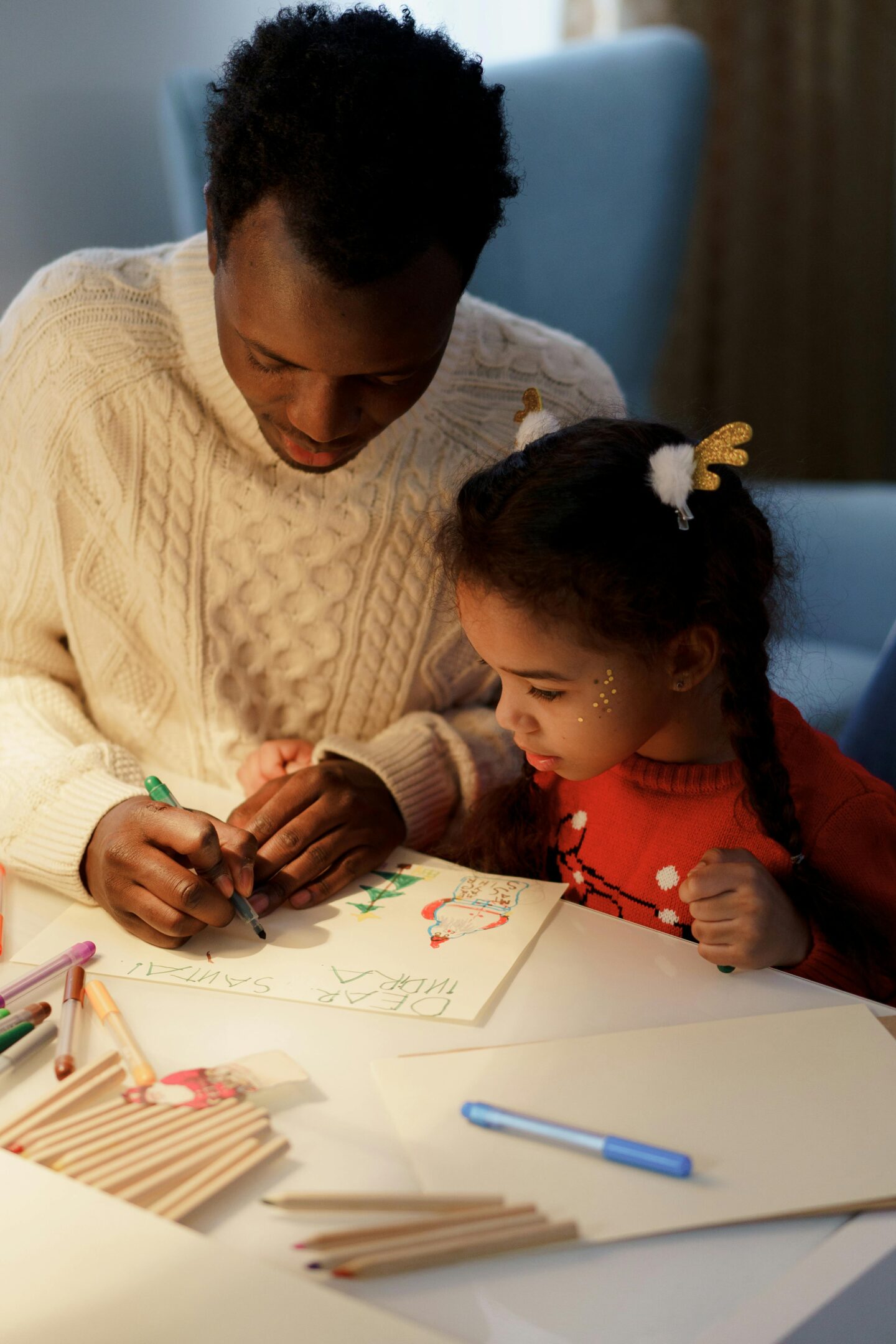
There are many activities introverted children enjoy during their quiet time. Reading fiction can allow imaginative escape and inner growth. Journaling encourages self-reflection and emotional processing. Solitary hobbies like drawing, painting or crafts enable creative expression. Pretend play and world-building games cultivate inventiveness. Meditating or simply daydreaming lets the mind wander freely. Independent projects allow deep focus. The options are endless.
The key is providing a mix of structure and freedom. Have designated quiet times but let children choose their solo activities. Give them a private space conducive to the inner journey. Offer suggestions but follow their lead based on their interests. Respect when they crave more or less alone time, especially if they are children you foster with a foster care Scotland agency. Quiet time should replenish their wells, not drain them.
Setting Children Up for Success
Creating the right environment is key to making quiet time a success. Set aside a regular time each day for solitude. A bedroom, playroom or corner of a room works well. Make sure children won’t be interrupted. Provide engaging materials like books, art supplies and toys to spark their imagination. Have them turn off screens that overstimulate. Soft music or nature sounds can help them unwind. The space should feel peaceful and comforting.
Explain the benefits of regular quiet time. Introverted children may worry about missing out on play with others. Reassure them that solo time helps them be their best selves. They’ll have more energy for socialising after recharging. Don’t force it at first; let quiet time feel like a refuge. With time it can become a cherished part of their routine.
Teaching Others
Well-meaning parents, caregivers and teachers sometimes push introverted children to be more social or extroverted. Provide gentle education about the differences between extroversion and introversion. Explain that introverted children need and thrive with regular quiet time. Share child development books and articles to give context. Note famous introverts in history. When others understand introversion, they can better support these children’s needs.
Watching introverted children blossom during quiet time can feel like magic. By tuning into their unique needs and nurturing their inner worlds through solitude, we give these remarkable children the space to flourish. The richness of their inner lives and creativity can become a gift they share with the world in their own time. When introverted children have the freedom to “be themselves,” the possibilities are endless.
Thank you for reading.







