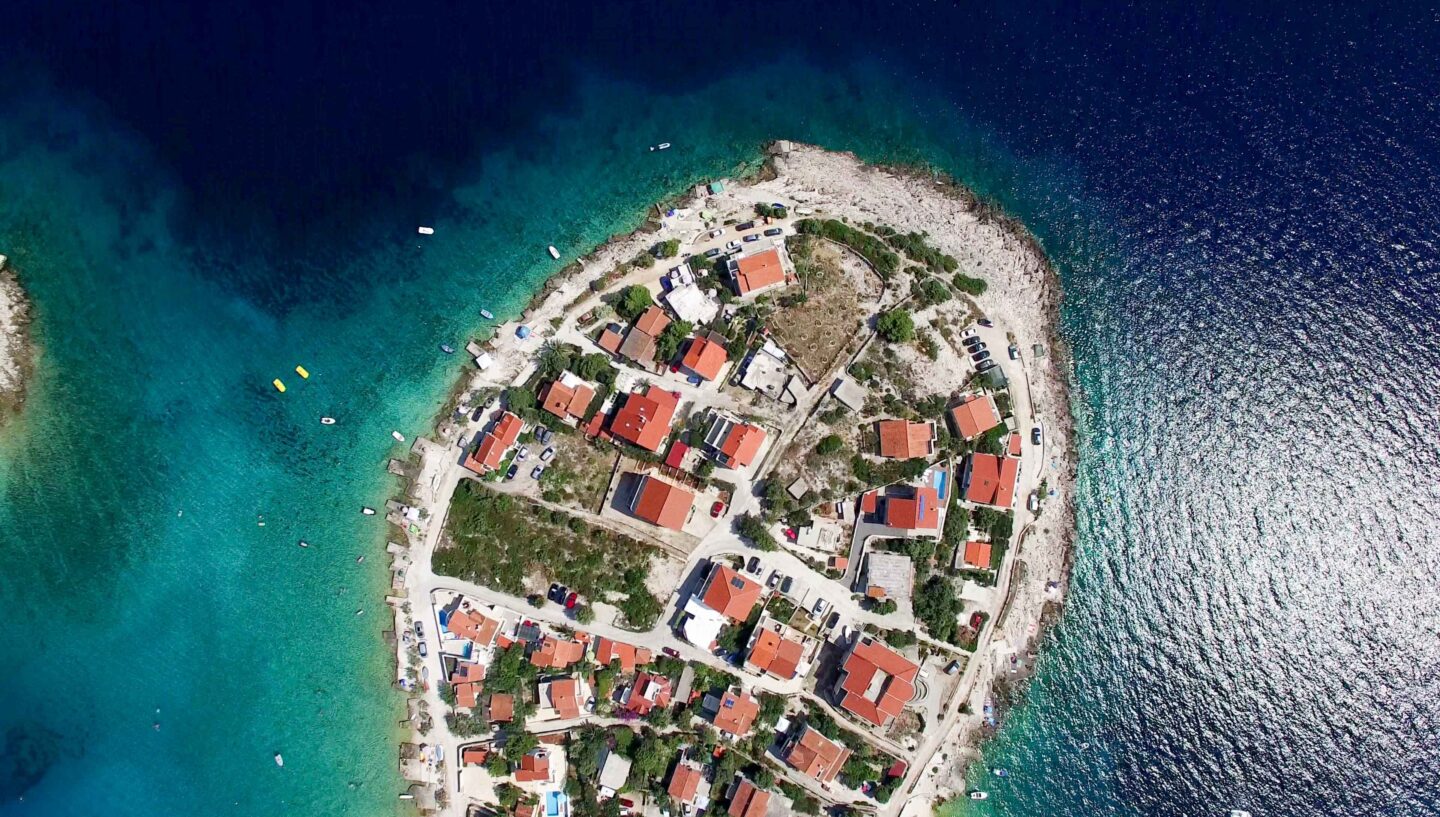
From the glittering Adriatic coastline dotted with over 1,000 sun-soaked islands to well-preserved medieval cities and breathtaking natural landscapes, Croatia enthralls visitors.
For anyone seeking a blend of vibrant culture, compelling history, and outdoor allure Croatia is an amazing place to visit. However, if you’re not sure where to start, why not use this comprehensive Croatia travel planner to craft your own legendary Adriatic escape?
Discover Croatia’s Awe-Inspiring Natural Splendor
Croatia’s dazzling natural attractions beckon nature lovers to hike, sail, and immerse in the region’s diverse landscapes.
Cobalt waters form the backbone of island-hopping adventures where secluded beaches and coves await discovery. Inland, traverse emerald lakes and thundering falls nestled in ancient forests.
To visit Croatia’s magnificent national parks and nature sites hassle-free, specialized Croatia tour companies offer guided excursions, transportation, and logistical handling. Experienced guides illuminate the ecology, history, and highlights while you simply soak in the natural splendor. Let the experts plan out the details for a seamless nature immersion.
Captivating National Parks
No Croatia trip is complete without visiting the national parks safeguarding some of the country’s most precious natural jewels.
- Plitvice Lakes National Park – This UNESCO World Heritage site holds 16 terraced lakes spanning cyan to emerald hues, connected by silvery cascades and tumbling waterfalls. Lush forests harbor bears, wolves, boar, and rare bird species. Explore via hiking trails and wooden walkways winding through the pristine landscape.
- Krka National Park – Krka’s winding river boasts serene pools, and billowing waterfalls including the mesmerizing, multi-tiered Skradinski Buk, and Lake Visovac with its tranquil island monastery dating from 1576. Walkways loop across the river and rapids.
- Paklenica National Park – Adventure seekers flock to Paklenica to tackle some of Croatia’s most thrilling hiking trails snaking through striking gorges and canyons surrounded by dramatic limestone peaks. Climbers scale cliffs dotted with crevices and caves.
- Brijuni National Park – This archipelago of 14 islands combines wildlife, archaeological sites, golf courses, and medieval residences of former Yugoslav leaders. Explore via tourist train, bike, or boat.
Captivating Croatian Islands
Solta, Cres, Vis, Rab, Pag, Hvar, Brač, Korčula: Croatia’s islands each have their own character and magic to uncover. Sail across the sun-dappled sea to discover secluded coves, quaint villages, ancient lighthouses, kayaking adventures, and small-town hospitality.
- Mljet – Heavily forested Mljet allure emanates from two saltwater lakes nourishing rich foliage. An islet on the larger lake holds a 12th-century monastery. Kayaking and biking provide immersion in Mljet’s tranquility.
- Kornati Islands – Kornati National Park safeguards this scattered archipelago of nearly 150 mostly uninhabited islands, islets, and reefs. Yachting and snorkeling adventures reveal its isolated coves and sublime turquoise waters.
- Hvar – Lavender fields, vineyards, picturesque towns, and sunny beaches all contribute to Hvar’s reputation as Croatia’s island idyll. Partake in the Mediterranean pace at Stari Grad, Hvar Town, and Jelsa.
Spectacular Adriatic Coastline
Mainland adventures offer equal doses of scenic splendor, especially along the winding Makarska Riviera.
- Biokovo Nature Park – The rugged Biokovo mountain range looms high above the coast near Makarska, its limestone cliffs plunging into the sea. Drive or hike up for spectacular vistas. The intriguing Kotišna Cave adds subterranean intrigue.
- Pelješac Peninsula – Jutting out into the Adriatic across from Korčula, the Pelješac Peninsula combines sun-washed pebbled beaches, hillside vineyards, and medieval coastal towns like Orebić and Ston. Indulge in oysters fresh from nearby beds.
Time Travel through Croatia’s Historic Cities
Beyond the natural beauty, Croatia shelters astonishingly well-preserved medieval towns and ancient ruins waiting to transport you back through the centuries. Coastal hubs split their charms between modern luxuries and cobblestone lanes unchanged by the eras.
Storied Coastal Cities
- Dubrovnik – Nicknamed the “Pearl of the Adriatic”, Dubrovnik’s imposing stone walls, fortress-topped cliffs, and exquisitely adorned churches and squares transpose visitors centuries back in time. Circling the walls overlooking terracotta rooftops and the shimmering sea becomes a quintessential Dubrovnik experience.
- Split – The sprawling Diocletian’s Palace forms Split’s heart, erected as a Roman imperial residence in 305 AD. Today it encompasses a throng of restaurants, shops, and residences gathered around temples and medieval halls. Split also provides a gateway to nearby islands like Brač.
- Rovinj – Pastel-hued Venetian-era houses hug Rovinj’s hilly contours, culminating in the imposing baroque St. Euphemia’s Church. Wandering cobblestone streets and piazzas, stopping to savor Istrian cuisine, captures Rovinj’s romance.
- Poreč – Poreč shines through its 6th-century Euphrasian Basilica, a UNESCO site with magnificent Byzantine mosaics. The surrounding Old Town and waterfront promenade exude laid-back coastal charm.
- Zadar – Flanked by medieval churches and Roman ruins, Zadar stands out for unique attractions like the Sea Organ producing music from the movement of the waves. Vibrant cafes and nightlife add modern flair.
Incredible Inland Gems
Beyond the coast, Zagreb and lesser-known towns offer glimpses into Croatia’s complex history.
- Zagreb – Croatia’s capital blends imposing Austro-Hungarian architecture with trendy nightlife in districts like Tkalčićeva Street. Wander through Upper Town’s cobblestone lanes and ornate churches before strolling downtown’s bustling plazas.
- Varaždin – Filled with baroque buildings and churches, this immaculately preserved former capital of Croatia’s northern region comes alive during its annual Špancirfest festival featuring parades, music, and crafts.
- Pula – This Istrian town impresses through its remarkably intact 1st-century Roman amphitheater ringed with towering stone arcs and tiers that once seated over 20,000 spectators of gladiator contests.
- Trakošćan Castle – Nestled amidst tranquil woods and lakes near the Slovenian border, this scenic 13th-century castle and grounds provide a fairy-tale retreat into Croatia’s past.
Savor Authentic Adriatic Experiences
Looking beyond the sights, Croatia shines through unique local traditions, cultures, and pursuits waiting to be discovered.
Connect with everyday life along the Adriatic as you island hop between fishing villages, join a sailing crew hauling nets on a wooden boat, harvest oysters on a family farm, or sample regional wines in their sunny source.
Quintessential Croatian Endeavors
- Set Sail – Island hopping aboard a sailboat or yacht provides an iconic perspective on Croatia’s beauty and seafaring heritage. You can charter boats with or without a crew.
- Taste Local Wines – Sample the fruits of Croatia’s winemaking legacy at vineyards spanning Istria to Dalmatia’s Pelješac Peninsula and Korčula Island. The accompanying scenery proves just as sublime.
- Cycle Scenic Routes – Bike along the coast, through valleys blanketed in vines, and among olive groves and lavender fields for vivid impressions at a leisurely pace.
- Kayak Emerald Bays – Paddle through breathtaking island settings around destinations like Dubrovnik, exploring coves and remote beaches accessible only by sea.
- Learn Traditional Crafts – Try your hand at time-honored skills like embroidering lace, shaping clay into terracotta tiles, carving wood, or distilling flavors like lavender into fragrant soaps and oils.
- Savor Fresh Cuisine – Indulge in local specialties from fresh seafood like octopus salad and grilled catch of the day to hearty meat stews and savory cheeses paired with regional wines.
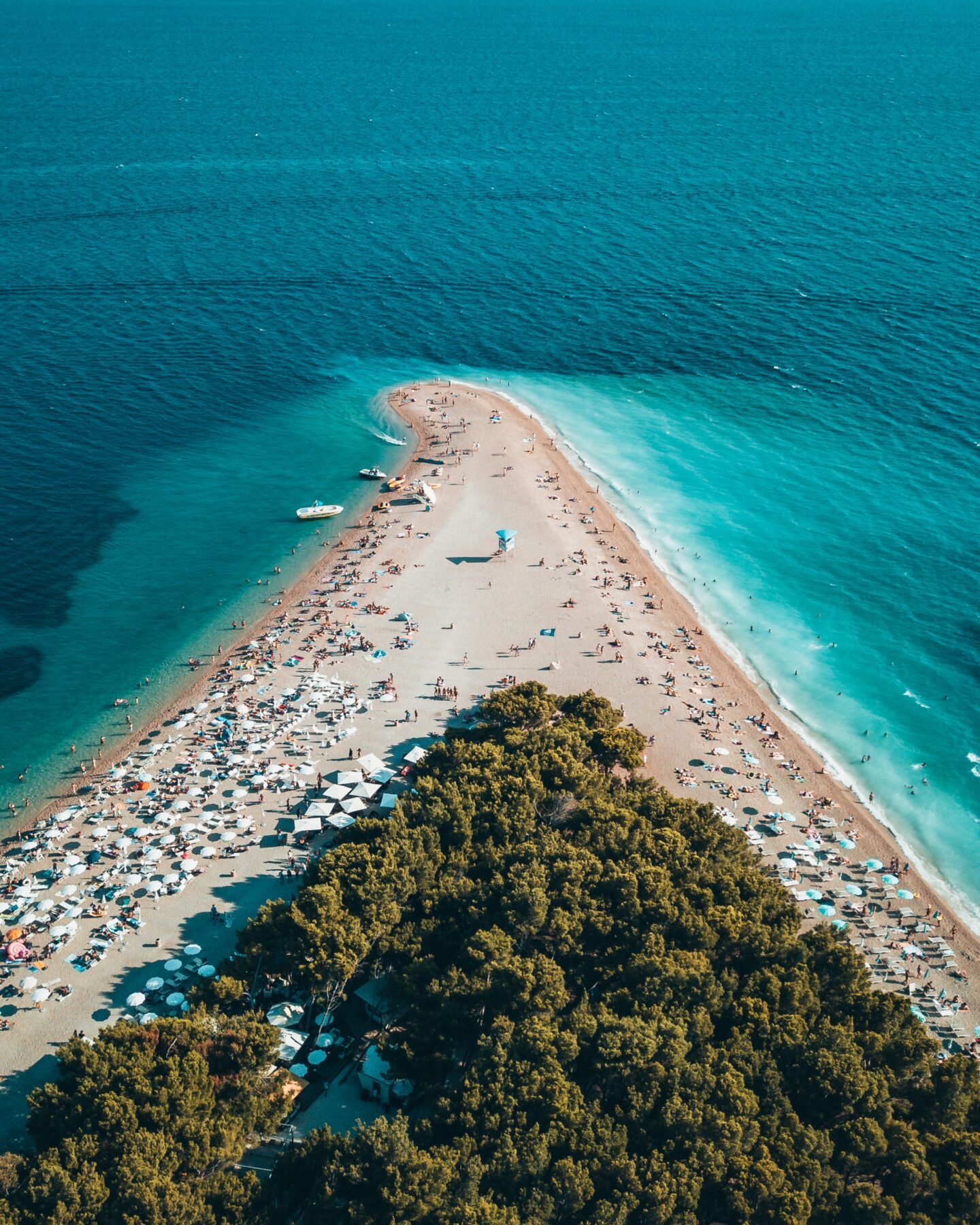
Captivating Events Showcasing Culture
- Dubrovnik Summer Festival – This annual festival from July to August fills Dubrovnik’s Old Town with open-air theater and musical performances.
- Špancirfest, Varaždin – For 10 days each August, Varaždin hosts parades, baroque music, dance, costumes, and artisan craft demonstrations during this street festival.
- Sinjska Alka, Sinj – Dating back 300+ years, this dramatic knights’ competition sees riders in traditional garb charging down a narrow path to spear an iron ring.
- Rijeka Carnival – Rijeka becomes a scene of costumed parades, masquerade balls, concerts, and dancing in the weeks before Lent.
Design Your Ideal Croatia Itinerary
With limitless sights and activities enticing you, careful planning helps maximize your time Croatia island hopping. Follow these tips to craft an unforgettable Adriatic itinerary.
Optimal Travel Seasons
July and August draw big crowds with prices peaking in Croatia’s Mediterranean climate. For smaller crowds, lower prices, and pleasant weather, visit in May, June, September, or early October. Some attractions close in colder months.
Essential Destinations to Include
No visit to Croatia is complete without seeing Dubrovnik, Split, the Dalmatian islands, and Plitvice Lakes National Park. Other top stops include Zadar, Zagreb, Rovinj, and Krka National Park.
Choosing Your Route
Most itineraries start or end in Zagreb. From there, head to Plitvice Lakes, then south to Zadar, Split, Hvar Island, and Dubrovnik if dreaming of island life. For medieval towns, head from Zagreb east to Varaždin, Trakošćan Castle, and Osijek before exploring Istria.
Getting Around Croatia
Buses efficiently connect most coastal and inland destinations at reasonable fares. Ferries shuttle between islands but can fill up in high season. Rental cars provide flexibility for rural areas, national parks, and road-tripping down the coast.
Lodging Options
Plan city stays in Dubrovnik, Zagreb, or Split for sightseeing. Choose among resorts, apartments, villas, and agritourism farms on the islands and in the countryside for peaceful relaxation.
No matter your interests and travel style, customizing the perfect trip is exhilarating with Croatia’s kaleidoscope of natural beauty, history, and culture at your fingertips. Let these tips guide you in crafting an unforgettable Adriatic escape.
Croatia Travel FAQs
What is the best way to get around Croatia?
Buses, ferries, and rental cars each have advantages depending on destinations. Buses connect most cities efficiently and cheaply. That said, rental cars provide maximum flexibility for rural areas, coastlines, and national parks.
What are the top things to do in Dubrovnik?
Walk the imposing city walls, explore baroque architecture and lively plazas within the Old Town, ride the cable car up Mount Srd overlooking the coastline, and visit outlying fortresses like Fort Lovrijenac.
How many days do you need to visit Croatia?
At least 7-10 days provide time for top highlights like Dubrovnik, Split, Plitvice Lakes, a few islands, and Zagreb. For a comprehensive trip, plan a two-week or longer trip to include Istria and eastern Croatia.
What is the currency used in Croatia?
Croatia uses the Croatian kuna (HRK) for cash transactions. Many businesses also accept euros. ATMs are widely available in cities and towns to withdraw local currency.
What is the best Croatian island for couples?
Romantic island getaways include chic Hvar with its lively towns interspersed with seclusion, peaceful Mljet with its protected lakes, and little-known Šolta characterized by untouristy authenticity.
Start Crafting Your Epic Croatia Adventure
With ancient walled towns, sun-soaked beaches, emerald national parks, and captivating culture, Croatia offers an irresistible Mediterranean mosaic awaiting your own story. Let these tips guide you in curating the trip of a lifetime along the dazzling Adriatic coastline. Let the turquoise waters, rolling vineyards, medieval steeples, and welcoming communities of Croatia come alive in your own legendary tale. The adventure begins now.
Thank you for reading.







