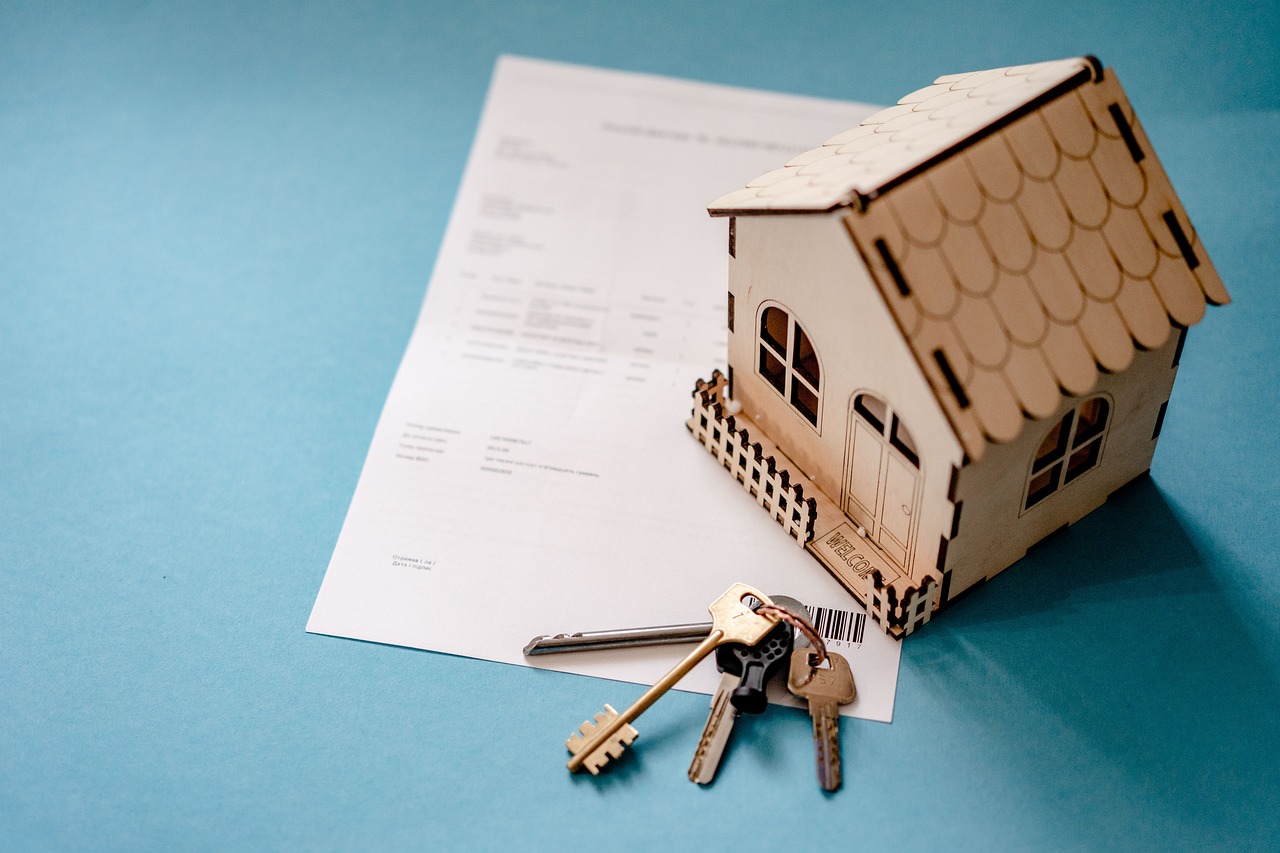
Investing in real estate is a popular choice for many individuals looking to grow their wealth and secure a steady income stream. When considering real estate investments, one option that often arises is leasehold properties. A leasehold property is a type of property where the buyer purchases the right to use the property for a specified period, typically long-term, from the freeholder or landlord. In this article, we will explore the pros and cons of investing in leasehold properties, helping you make an informed decision about whether this type of investment is right for you.
Pros of Investing in Leasehold Properties
- Lower Purchase Price:
One significant advantage of investing in leasehold properties is the relatively lower purchase price compared to freehold properties. Leasehold properties are typically more affordable, making them an attractive option for first-time investors or those with limited capital. This affordability allows investors to enter the property market and start generating rental income without breaking the bank.
- Lower Maintenance Responsibility:
In leasehold properties, the responsibility for maintenance and repairs often lies with the freeholder or landlord. This can be a significant advantage for investors, as they are relieved of the burden of managing and funding maintenance issues. The freeholder is responsible for maintaining the common areas and external structure of the property, which can save investors time, effort, and money.
- Stable Rental Income:
Leasehold properties often provide a stable rental income stream due to the long-term nature of the leases. The lease agreement typically specifies the rental amount and duration, providing investors with a predictable cash flow. This stability can be appealing to investors looking for a reliable source of income and financial security.
- Attractive to Tenants:
Leasehold properties can be attractive to tenants due to their affordability and often desirable locations. Many leasehold properties are situated in prime areas, such as city centres or near popular amenities, making them appealing to tenants who value convenience and accessibility. This demand can lead to lower vacancy rates and higher rental yields for investors.
- Potential for Capital Appreciation:
While leasehold properties have a limited lease duration, they can still appreciate in value over time. The value of a leasehold property is influenced by various factors, such as location, demand, and market conditions. If the property is in a desirable area and experiences growth in demand, its value can increase, allowing investors to benefit from capital appreciation when selling the property.

Cons of Investing in Leasehold Properties
- Leasehold Restrictions:
Investing in leasehold properties comes with certain restrictions and limitations. The lease agreement may contain clauses that restrict the use of the property, such as prohibiting subletting or making alterations without permission. These restrictions can limit an investor’s flexibility and control over the property, potentially impacting their ability to maximize returns.
- Lease Extension Costs:
As the lease term approaches expiration, investors may need to consider extending the lease to maintain the property’s value and marketability. However, lease extensions can be costly, involving legal fees, valuation fees, and potential negotiation with the freeholder. These additional costs can eat into an investor’s profits and require careful financial planning.
- Ground Rent and Service Charges:
Leasehold properties often require the payment of ground rent and service charges to the freeholder or landlord. Ground rent is a regular payment made by the leaseholder to the freeholder for the use of the land, while service charges cover the maintenance and management of the property. These ongoing expenses can reduce an investor’s net rental income and should be factored into financial calculations.
- Limited Control:
Investing in leasehold properties means that investors have limited control over the property. The freeholder or landlord retains certain rights and responsibilities, which can impact an investor’s ability to make decisions about the property. This lack of control can be frustrating for investors who prefer to have full autonomy over their investments.
- Leasehold Risks:
Leasehold properties come with certain risks, particularly if the freeholder or landlord is unresponsive or fails to fulfil their obligations. Investors may face challenges if the freeholder neglects maintenance or fails to manage the property effectively. It is essential to conduct thorough due diligence on the freeholder and the terms of the lease before investing to mitigate these risks.
The bottom line
Investing in leasehold properties has its pros and cons, and it is crucial to carefully evaluate these factors before making any investment decisions. While leasehold properties offer lower purchase prices, lower maintenance responsibilities, and stable rental income, they also come with leasehold restrictions, extension costs, ongoing expenses, limited control, and inherent risks. By considering these factors, conducting thorough research, and seeking professional advice, investors can make informed decisions and determine whether investing in leasehold properties aligns with their investment goals and risk tolerance.
Thank you for reading.







