Furniture plays a far greater role in the home than simply filling space. The right pieces can influence mood, improve functionality, encourage organisation, and even support physical wellbeing. A carefully planned interior creates harmony between comfort and purpose, helping every room feel welcoming and practical. When furniture is selected thoughtfully, it enhances daily living and transforms a house into a space that truly supports lifestyle needs.
Understanding how furniture shapes your home environment allows smarter decisions that balance style, comfort, and efficiency. From the way furniture is arranged to the selection of materials used in pieces such as lounge suites, dining tables, beds, and storage cabinets, every element plays an important role in shaping the overall atmosphere of your interior.
The Role of Furniture in Creating a Balanced and Welcoming Home
Creating Comfort That Supports Everyday Living
Comfort is one of the most important factors in improving a home environment. Sofas, chairs, and beds are used daily, so their design directly affects relaxation and physical support. Ergonomically designed seating encourages proper posture and reduces strain on the body. Supportive mattresses improve sleep quality, which in turn enhances overall well-being.
A living area with comfortable seating naturally becomes a space where family members gather, conversations flow, and downtime feels restorative. When comfort is prioritised, the home becomes a place where both body and mind can recharge.
Improving Organisation and Reducing Visual Clutter
A well-organised space feels calmer and more functional. Furniture that offers built-in storage helps maintain order without sacrificing style. Storage units, shelving, and cabinets keep everyday items accessible while preventing overcrowding.
Consider smart storage solutions, such as:
- Coffee tables with hidden compartments
- Cheap bed frames with built-in drawers
- Ottomans that double as storage
- Tall shelving that maximises vertical space
- Sideboards that conceal household essentials
These options allow belongings to be neatly stored while preserving a clean and open appearance. An organised environment reduces stress and makes daily routines smoother. When everything has its place, rooms feel balanced and efficient.
Enhancing Space Through Thoughtful Layout
Furniture placement significantly influences how spacious a room feels. Strategic arrangement encourages natural movement and ensures that rooms do not feel cramped. Open pathways allow light to travel freely, improving overall flow.
Large pieces positioned against walls can open central floor areas, while modular furniture provides flexibility in compact homes. Choosing appropriately sized furniture is equally important. Oversized pieces in smaller rooms can overwhelm the space, while furniture that is too small may appear disconnected.
By aligning layout choices with room dimensions, the environment feels intentional and comfortable rather than crowded.
Promoting Mental Wellbeing Through Design
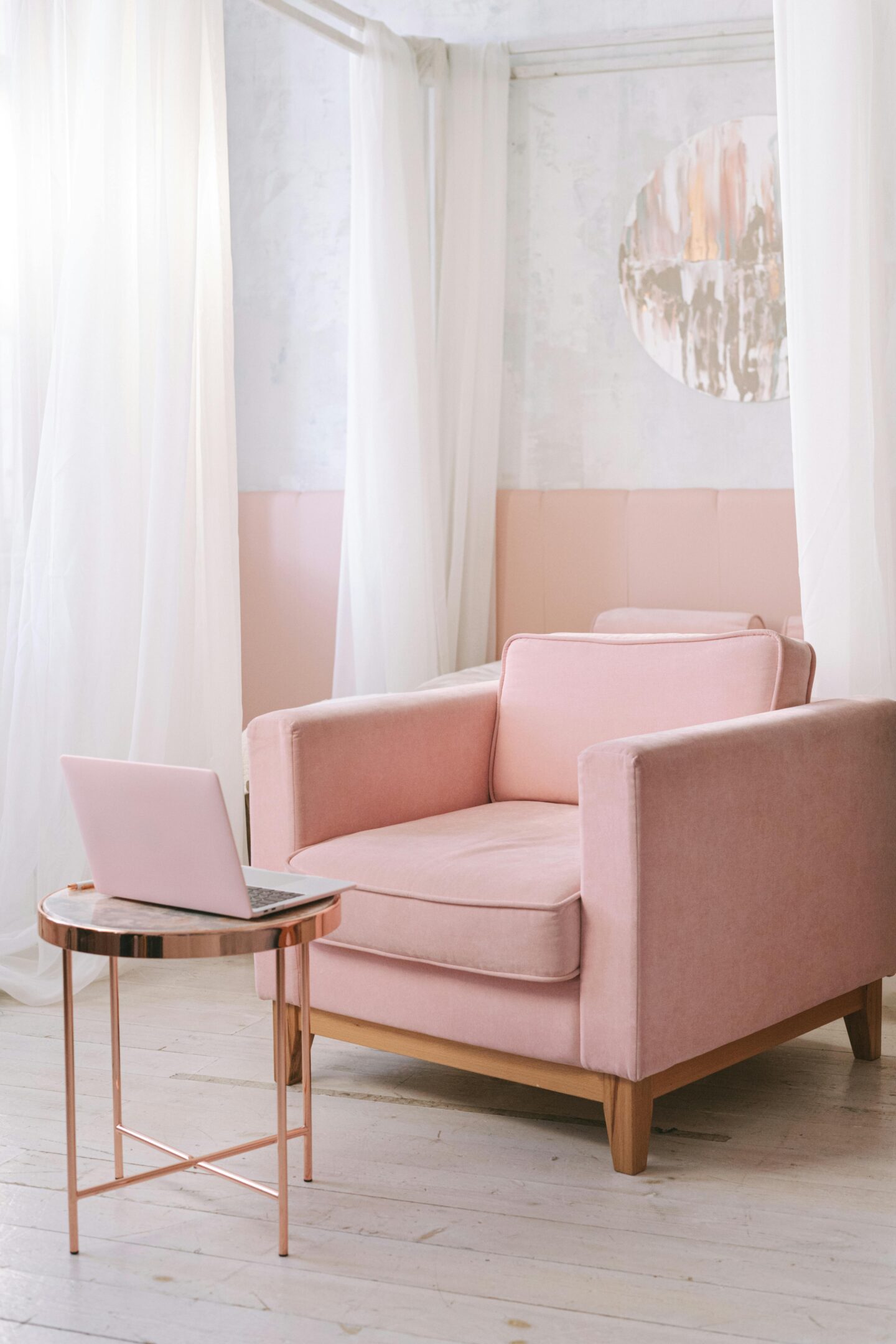
Colour, material, and texture all affect mood. Natural timber finishes bring warmth and a sense of grounding to a space. Soft textiles introduce comfort and relaxation. Balanced colour palettes support a calm and steady atmosphere.
Furniture made from natural materials often contributes to a soothing environment. Wooden tables and linen upholstery add organic texture that connects interiors to nature. This connection can enhance feelings of peace and balance. Minimal yet functional pieces reduce visual overload. When interiors feel orderly and cohesive, mental clarity often improves.
Creating a Balanced and Harmonious Environment
Furniture plays a vital role in improving your home environment by bringing balance to the way a space looks and functions. When furniture size, placement, colour, and purpose work together seamlessly, rooms feel organised, welcoming, and easy to use. A well-planned interior does not rely on excess. Instead, it focuses on thoughtful selection and strategic arrangement to enhance comfort and flow.
Consider these guiding principles:
- Prioritise comfort without overcrowding
- Select pieces that align with daily routines
- Maintain clear pathways for easy movement
- Combine storage with style
- Choose materials that enhance warmth and texture
By applying these principles, furniture helps create an environment that feels calm, practical, and visually pleasing. When these elements come together, the home becomes a supportive and uplifting space that enhances everyday living.
Final Thoughts
Furniture is far more than a decorative addition. It shapes comfort, influences mood, improves organisation, and enhances functionality. Every piece contributes to the overall atmosphere of a home. By choosing furniture that aligns with lifestyle needs and design preferences, it is possible to create an environment that promotes well-being, connection, and efficiency.
A thoughtfully furnished home feels welcoming, balanced, and practical. Through careful planning and purposeful selection, furniture becomes a powerful tool in improving the overall home environment and enriching everyday living.
Frequently Asked Questions
How does furniture influence the overall atmosphere of a home?
Furniture shapes the visual balance, comfort level, and functionality of every room. Well-chosen furniture creates harmony between design and practicality, resulting in a welcoming and comfortable environment.
Can furniture really improve mental well-being?
Yes, furniture can positively affect mental well-being. Comfortable seating encourages relaxation, while supportive beds improve sleep quality. An organised layout with minimal visual clutter helps reduce stress and supports clearer thinking.
Why is furniture layout important?
Furniture placement affects movement, light flow, and how spacious a room appears. Clear pathways improve accessibility and comfort. A well-planned layout enhances both practicality and visual appeal.
Does the choice of materials make a difference?
Material selection plays a significant role in shaping the home environment. Timber finishes add warmth, while soft fabrics create comfort. Natural textures such as linen and wood introduce a grounding element that supports a calming atmosphere.
Is investing in quality furniture worthwhile?
High-quality furniture often provides better durability, comfort, and long-term performance. This ensures consistent comfort and functionality over time.
Thank you for reading.