
In the tender years of early childhood, a nurturing environment plays a pivotal role in shaping a child’s emotional, social, and cognitive development. Pastoral care in nurseries has emerged as a cornerstone in fostering a supportive atmosphere for young minds to thrive. This blog delves into the manifold benefits of pastoral care, highlighting its profound impact on children’s well-being and overall development.
Emotional Well-being: Building a Foundation of Security
Pastoral care in nurseries revolves around creating a secure and emotionally supportive environment for children. Early experiences profoundly shape a child’s emotional landscape, and a nurturing atmosphere helps build a solid foundation for mental well-being. Through empathetic and attentive caregivers, children in nurseries develop a sense of trust and security, fostering emotional resilience that will serve them well throughout life.
Social Development: Learning Through Relationships
In the bustling world of a nursery, children embark on their first social interactions. Pastoral care facilitates the development of essential social skills by encouraging positive relationships with peers and caregivers. Through group activities and cooperative play, children learn the art of sharing, cooperation, and empathy. These early social interactions lay the groundwork for successful interpersonal relationships in the future.
Individualised Attention: Tailoring Support for Each Child
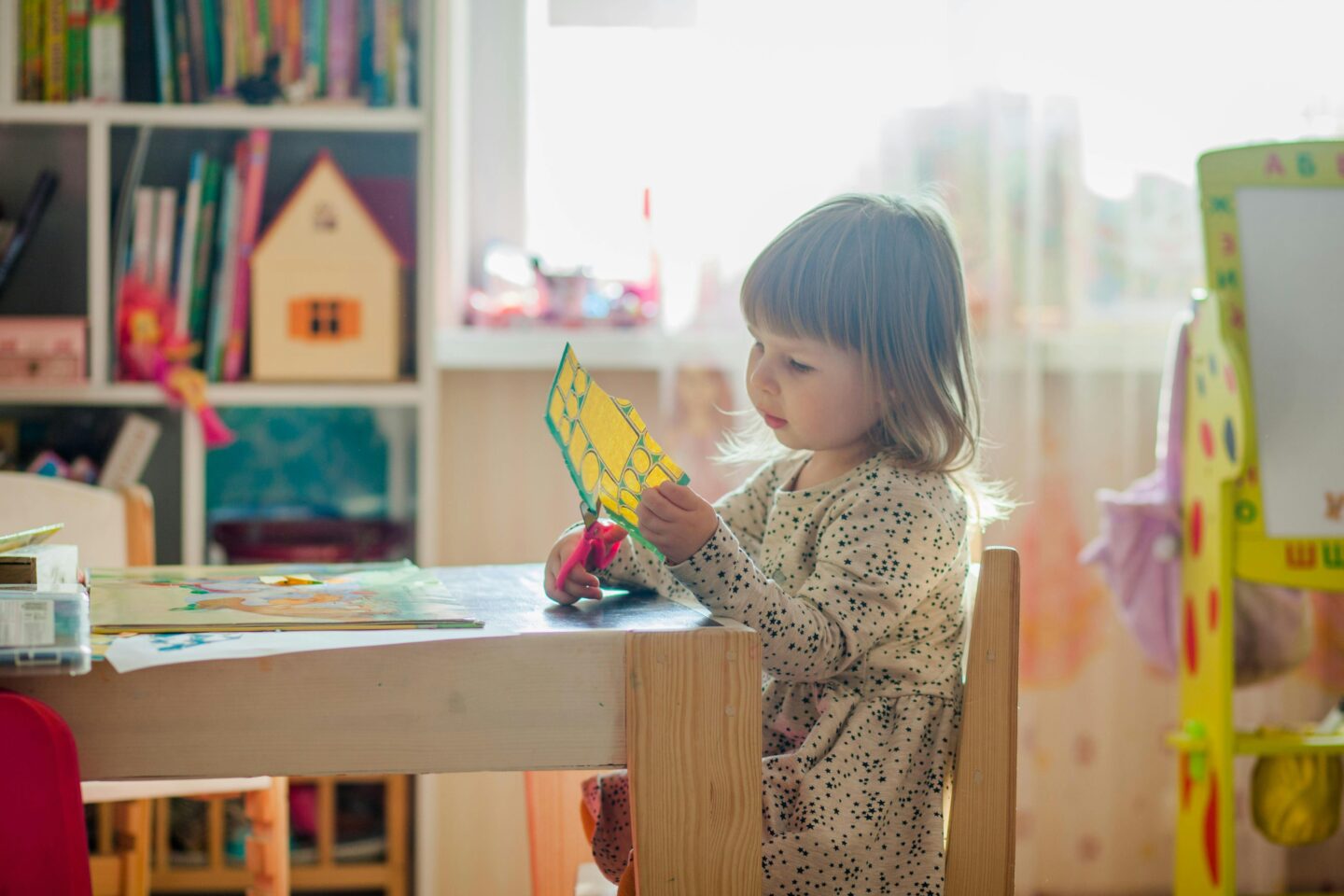
This nursery school in Islington believes that every child is unique, with distinct needs, strengths, and challenges. Pastoral care recognises this diversity and emphasises individualised attention. Caregivers in nurseries take the time to understand each child’s personality, preferences, and developmental pace. This tailored approach ensures that every child receives the support they need, promoting a positive learning experience that aligns with their individual capabilities.
Early Identification of Challenges: Proactive Support for Success
Pastoral care acts as a vigilant guardian, keen on identifying potential challenges early on. Through close observation and communication with parents, caregivers in nurseries can detect developmental delays, emotional struggles, or behavioural issues. Early intervention is key, and pastoral care provides a proactive platform for addressing challenges promptly, setting the stage for a child’s long-term success.
Communication with Parents: A Collaborative Approach
Effective communication between caregivers and parents is a fundamental aspect of pastoral care. Regular updates, parent-teacher meetings, and open lines of communication create a collaborative environment. This partnership ensures that parents are well-informed about their child’s progress, fostering a strong support network that extends beyond the nursery walls. The continuity of care between home and nursery is integral to a child’s holistic development.
Preparation for Formal Education: A Smooth Transition
Beyond the nurturing environment, pastoral care in nurseries prepares children for the transition to formal education. The social and emotional skills acquired during this crucial period lay the groundwork for a successful academic journey. Children who have experienced effective pastoral care enter formal education with a sense of confidence, curiosity, and a love for learning.
In the delicate years of early childhood, the benefits of pastoral care in nurseries are profound and far-reaching. By prioritising emotional well-being, supporting social development, and offering individualised attention, pastoral care sets the stage for a child’s lifelong success. As nurseries embrace this holistic approach, they contribute significantly to shaping resilient, empathetic, and well-rounded individuals ready to navigate the complexities of the world.
Thank you for reading.







