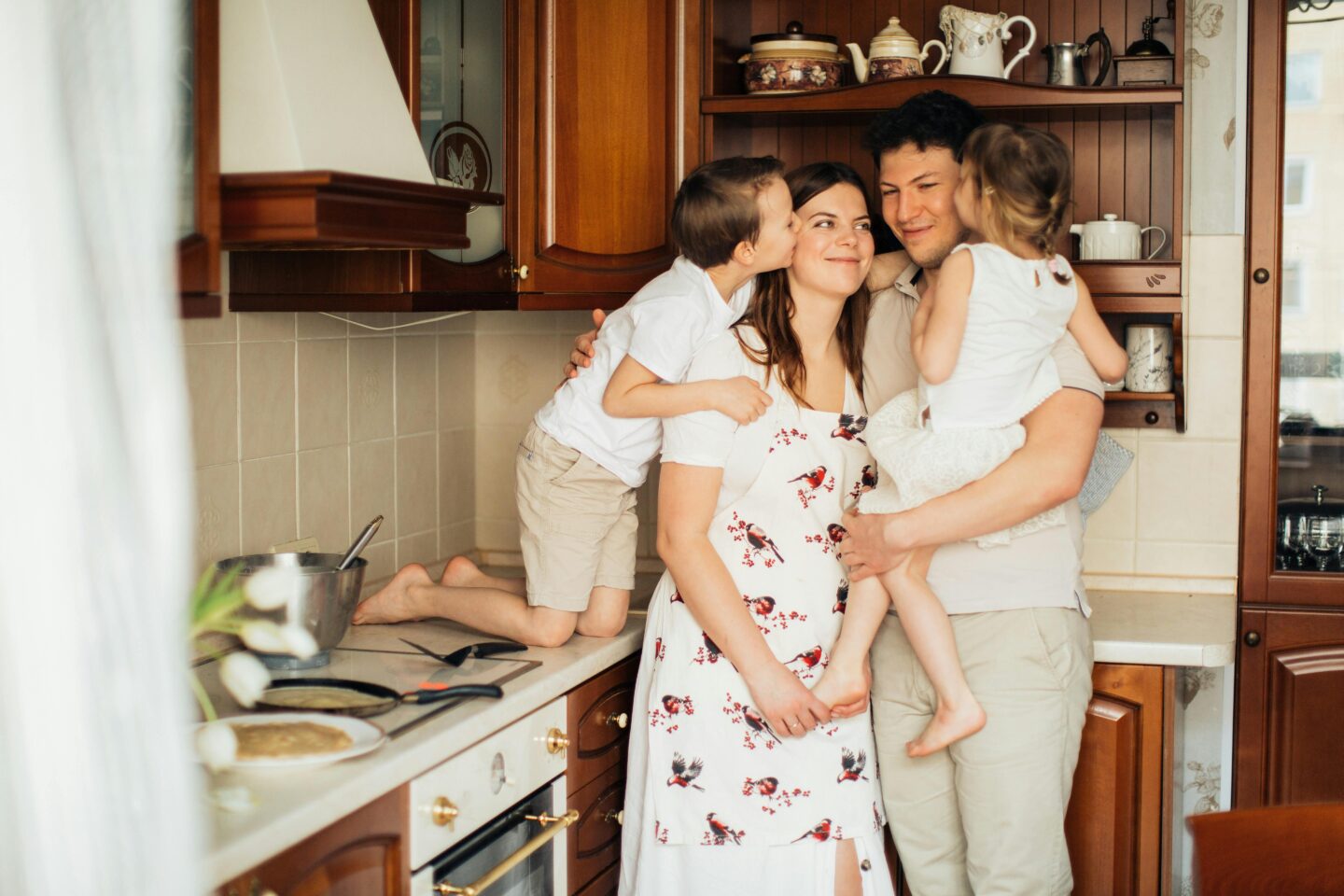
Creating a safe home environment is a priority for every family. With a few targeted improvements, you can reduce risks and make your living space more secure. Whether addressing structural issues, improving fire safety, or upgrading security features, these steps are practical ways to protect your family. By focusing on key areas of the home, you can prevent accidents and create peace of mind.
Upgrade Your Home’s Security Features
Home security is a major component of family safety. Modern security systems, including surveillance cameras, alarms, and motion-activated lighting, can deter intruders and provide real-time monitoring of your property. Installing a video doorbell adds an additional layer of protection, allowing you to see who’s at your door even when you’re not home.
Reinforcing entry points is equally important. Replace old or weak locks with high-quality deadbolts, and ensure that exterior doors are solid and equipped with strong hinges. Sliding doors and windows should have locking mechanisms to prevent forced entry. These upgrades help protect against potential threats and give your family greater peace of mind.
Conduct a Roof Inspection
Your roof plays a critical role in protecting your home from the elements, but it can become a safety hazard if neglected. Damaged shingles, leaks, or weak structural points can lead to costly repairs and potential dangers, such as water damage or mold. Regular roof inspections help identify problems early and allow you to take corrective action before they worsen.
For comprehensive solutions, consider roof repair services offered by professionals like Southern Pro Restoration. Their expertise can address issues such as leaks, poor ventilation, or aging materials, ensuring your roof remains secure and reliable. A well-maintained roof protects your family from the weather and improves the overall integrity of your home.
Address Electrical Safety Hazards
Electrical safety is another critical area to consider. Outdated wiring or overloaded circuits can pose a fire risk, especially in older homes. Regularly inspecting your electrical system can help identify and fix potential problems. If you notice flickering lights, frequently tripped breakers, or warm outlets, it’s time to consult a licensed electrician.
Use surge protectors to safeguard electronics and appliances during power fluctuations. Avoid overloading outlets by plugging in too many devices, and replace damaged cords or extension cables immediately. These small changes go a long way in preventing accidents and keeping your home safe from electrical hazards.
Improve Fire Safety Measures
Fire safety is an essential part of creating a secure home environment. Start by installing smoke detectors in every room, especially in bedrooms and common areas like the living room and kitchen. Test these detectors regularly to make sure they’re functioning properly, and replace batteries as needed. Having a fire extinguisher in accessible areas, such as the kitchen and garage, can help you address small fires quickly. Make sure all family members know how to use the extinguisher correctly.
Creating a fire escape plan is another critical step. Identify multiple exits in your home and establish a clear meeting point outside. Practice fire drills with your family to familiarize everyone with the plan. Knowing how to act during an emergency can save valuable time and keep everyone safe.
Reduce Trip and Fall Risks Indoors and Outdoors
Trips and falls are among the most common household accidents, but there are ways to reduce these risks. Inside the home, inspect floors for loose rugs, uneven surfaces, or clutter that could cause someone to trip. Using non-slip mats in areas like the bathroom and kitchen can help prevent accidents, especially in homes with young children or older adults. Staircases should have secure handrails and be well-lit to make them safer to navigate.
Outside the home, check for hazards like cracked walkways, uneven steps, or poorly lit pathways. Repairing these issues creates a safer environment for your family and visitors. Adding outdoor lighting improves visibility at night, reducing the risk of accidents while enhancing security.
Test for Hidden Hazards
Many homes have hidden dangers that can pose serious health risks if left unaddressed. Carbon monoxide is a colorless, odorless gas that can be deadly if it accumulates in your home. Install carbon monoxide detectors near sleeping areas and test them regularly. Radon is another invisible hazard that can seep into homes through the foundation. Testing for radon and addressing elevated levels is critical for maintaining a healthy indoor environment.
Lead-based paint, commonly found in older homes, is another potential concern. If your home was built before 1978, have it inspected for lead-based paint and consider professional removal if necessary. Addressing these hidden hazards helps create a safer and healthier space for your family.
Focus on Child Safety Measures
For families with young children, childproofing the home is essential. Start by securing cabinets and drawers with locks to keep hazardous materials like cleaning supplies and medications out of reach. Electrical outlets should be covered with childproof plugs to prevent accidents. Window locks and safety bars can protect children from falls, especially in multi-story homes.
Heavy furniture, such as bookshelves or dressers, should be anchored to the wall to prevent tipping. Look for sharp corners on furniture and consider using corner guards to reduce the risk of injuries. Childproofing doesn’t take long, but it makes a significant difference in keeping your home safe for little ones.
Making your home safer for your family involves more than just addressing visible risks. It’s about being proactive and considering all potential hazards, from fire safety to hidden dangers like carbon monoxide or radon. Regular maintenance, thoughtful upgrades, and practical changes can transform your home into a secure environment. Whether you’re addressing structural concerns like roof repairs, improving electrical safety, or creating a child-friendly space, each step contributes to a safer and more comfortable home. Taking action today helps protect the people you care about most and creates a space where your family can thrive.
Thank you for reading.







