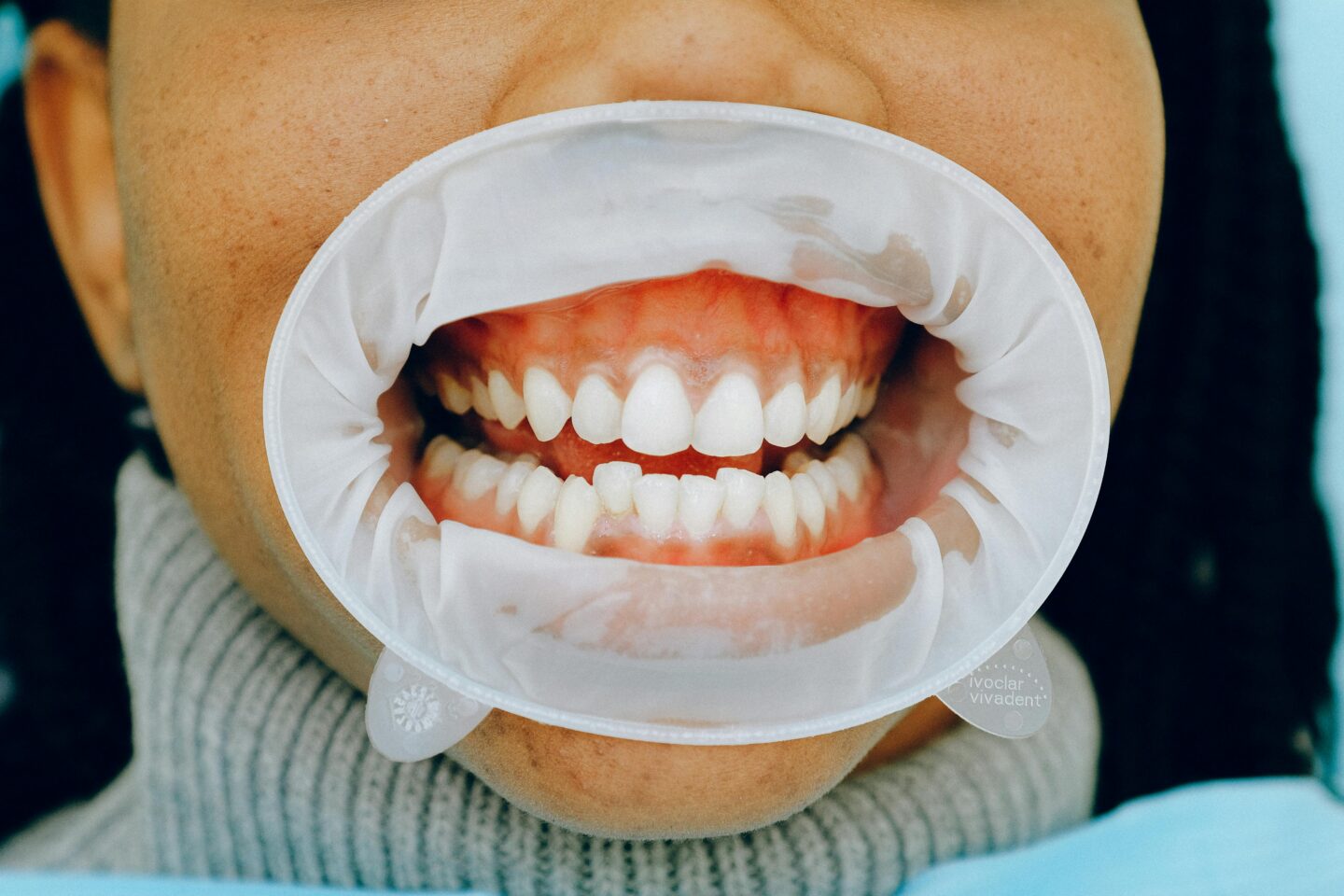
The appearance of one’s smile is not an uncommon cause of low self-esteem. So, it’s no wonder that so many people, from preteens to older adults, are turning to cosmetic dentistry to improve the aesthetics of their teeth.
Not only can cosmetic dental procedures improve the aesthetics of the teeth, but they also have the potential to improve oral health, the way we eat, and how we speak.
Looking to improve the way your smile looks and functions? Below are some common cosmetic dental issues and how they can be resolved.
-
Yellow Teeth
White teeth are often perceived as clean and fresh. However, it isn’t uncommon to have slight tooth discoloration, even with a solid oral care routine set in place. Some people may even only have a few yellow teeth from inconsistent oral habits or have brown stains on their teeth from drinking dark-colored beverages like coffee.
Regardless of how discolored your teeth are and where the discoloration is located, there are numerous cosmetic dental services to improve the color of your teeth. Teeth can be whitened and brightened with in-office teeth whitening or over-the-counter whitening products.
Dental bonding, veneers, or crowns can also conceal stains or discoloration, especially if they’re affecting only one or a few teeth.
-
Overbite
When the upper teeth sit too far forward from the bottom teeth, this is called an overbite. Apart from causing self-consciousness, having too much of an overbite can lead to problems chewing, jaw pain, gum and tooth enamel wear, and a shift in facial structure.
Mild to moderate overbites can be easily corrected with orthodontic treatment like braces. Severe cases of overbite might only be able to be corrected with jaw surgery.
-
Underbite
An underbite is the opposite of an overbite. Instead of the upper teeth sitting too far forward from the bottom teeth, the lower teeth sit too far forward from the bottom teeth. Like an overbite, having an underbite may cause self-consciousness.
Also like an overbite, an unbite can can cause issues with eating, uneven wear of the teeth and gums, and jaw pain. Other symptoms of an underbite include speech problems and a higher chance of developing gum disease and tooth decay in the near future due to improper enamel and gum tissue wear.
Treatment for an underbite often involves wearing braces or special headgear like a reverse-pull face mask. Surgery to realign the jaw is often recommended in severe cases of underbites.
-
Gapped Teeth
Spaces between the teeth can lead to a host of issues that aren’t just aesthetic. In moderate to severe cases, a gap between the teeth can lead to speech issues, like whistling while talking or speaking with a lisp. Problems with chewing may also occur.
Even slight gaps in the teeth can cause problems that go beyond self-consciousness. Small tooth gaps can lead to trapped debris from food, plaque buildup, and an increased risk of cavities.
The solution for gapped teeth is usually braces or invisible aligners to realign the teeth and close the extra space(s) between them. Quicker solutions to give the impression of non-gapped teeth include dental bonding, veneers, or dental crowns. If the gap is due to a missing tooth, the gap can be corrected with the installation of a dental bridge or tooth implant.
-
Chipped Tooth
A chipped tooth can be caused by many different things. Sports injuries, trips and falls, tooth grinding, and chewing ice or other hard objects are examples. Anyone can experience a chipped tooth, but it’s even more common in those with weak and unhealthy teeth.
Chipped teeth can be restored in a variety of ways. Very small chips can often be resolved by professionally polishing the affected tooth. Slightly bigger chips are often fixed via bonding, a composite resin. As for larger chips, a dental professional at MaryleboneSmileClinic would likely recommend a veneer or a dental cap.
Because there are so many cosmetic restorations for chipped teeth, the cost of your treatment can vary drastically. Even choosing ceramic veneers vs porcelain veneers can make a difference in terms of treatment quality and cost.
-
Crooked Teeth
Just about everyone has at least one crooked tooth in their mouth. The good news is, teeth can be gradually realigned with help from an orthodontist.
One of the most common resolutions for crooked teeth is standard metal braces. Lingual braces and invisible aligners are other correction options if you’re wanting realigned teeth minus the visible metal. There are also standard metal braces designed with tooth-colored or clear materials to make the appearance of braces more subtle but still visible.
For very slight misalignments of the teeth, dental contouring, veneers, or crowns may instead be installed. This is also a faster solution to covering crooked teeth than waiting for braces or aligners to work their magic.
-
Gummy Smile
Those who have a large amount of gum tissue exposed when they smile are said to have a gummy smile. These individuals may feel hesitant to smile with their teeth and often feel self-conscious. This condition may be caused by gum overgrowth, short teeth, a misaligned jaw, or a high lip line.
In most cases, a gummy smile isn’t unhealthy and doesn’t pose any side effects. In other words, it’s primarily cosmetic. However, if there’s an underlying reason for the excessive gum tissue, such as gum disease, then its treatment will vary from the treatment to correct a gummy smile not caused by oral health problems.
Depending on the circumstances, a gummy smile can be corrected through different treatment options. Orthodontic appliances, gum contouring, crown lengthening, veneer installation, and lip repositioning surgery are all potential resolutions.
Conclusion
The way a person’s teeth appear can have a big impact on their overall appearance and level of confidence. Whether you have yellow teeth, a gummy smile, or another cosmetic dental concern, there are a variety of solutions out there to improve the aesthetics of your teeth. The best news? You don’t have to be a wealthy celebrity to get cosmetic dental work done!
Thank you for reading.







