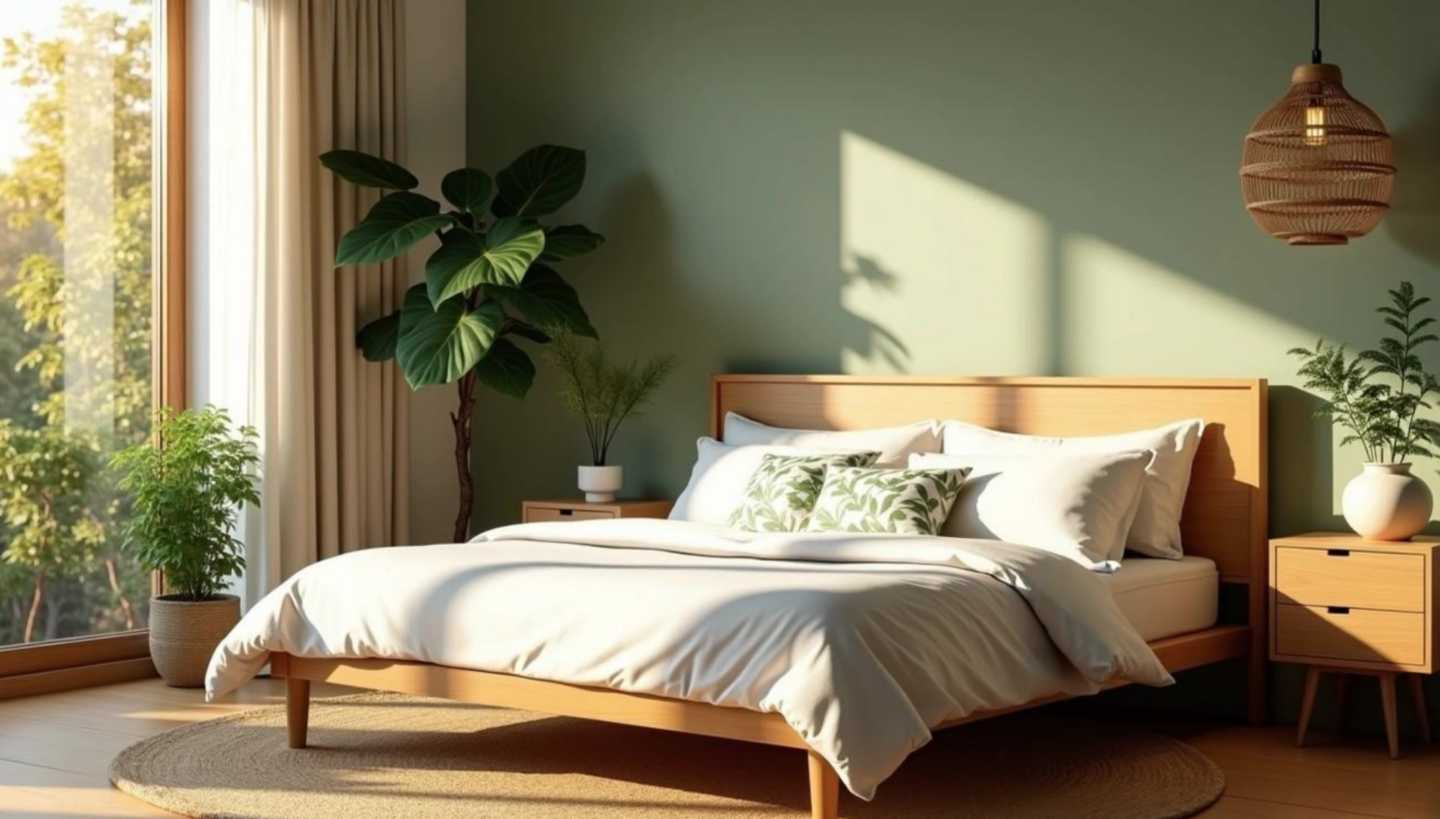
Your bedroom should be more than just a place to sleep. What if the secret to better rest lies in bringing the outside world indoors?
Creating a biophilic design bedroom could be exactly what your sleep routine needs. Exposure to nature reduces stress levels, boosts your immune system and even lowers blood pressure. This isn’t just another design trend – it’s about creating a space that works with your body, not against it.
Biophilic design has grown from a specialist concept into something every home can embrace. The idea is beautifully simple: weave nature into your living spaces. When you thoughtfully add natural elements to your bedroom, you’re doing something remarkable. You’re not just decorating – you’re building an environment that supports your wellbeing.
Take natural lighting, for example. It’s crucial for managing your internal body clock because it’s brighter and more effective than artificial light at giving your body the cues needed for proper self-regulation. But the benefits stretch far beyond sleep. Biophilic design can boost creativity, sharpen cognitive function and lift your overall mood.
Whether biophilic interior design is completely new to you or you’ve dabbled with the idea before, this guide will show you practical ways to bring nature indoors. You’ll discover how to create a bedroom sanctuary that works in harmony with your body’s natural rhythms – a space that truly helps you rest.
What is biophilic interior design and why it matters
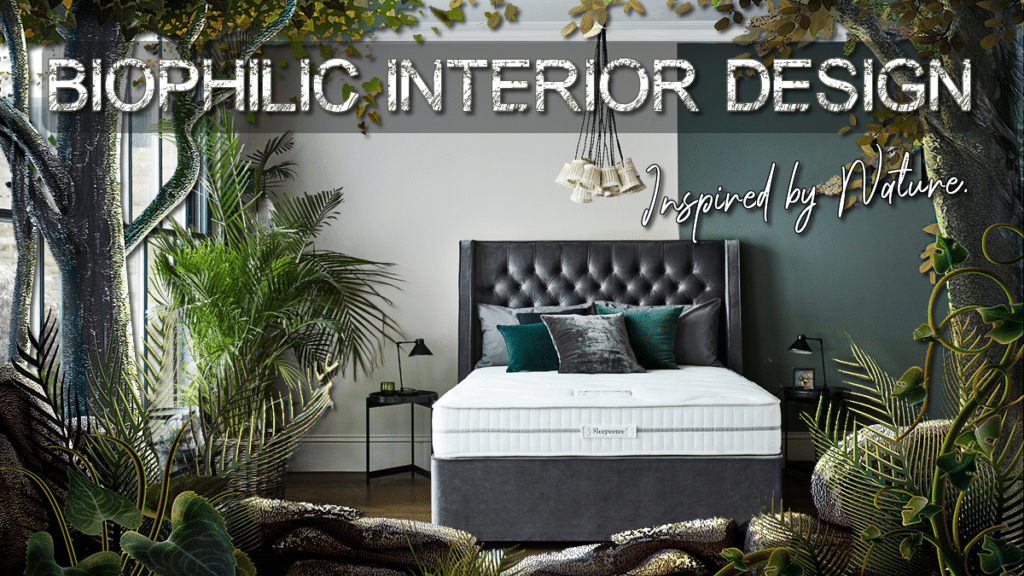
Image source: Bedstar.
The word “biophilia” literally means “love of life.” German psychoanalyst Erich Fromm introduced it back in the 1960s, but it was biologist Edward O. Wilson who really brought the concept to life in 1984, describing our deep, inherent connection with nature. Biophilic design takes this natural bond and weaves it into our interior spaces through thoughtful integration of natural elements.
Here’s something fascinating: research shows we’ve actually evolved with a genetic predisposition to connect with nature. This isn’t just about pretty decoration – it’s about fulfilling a fundamental biological need. When you add biophilic elements to your bedroom, they work on multiple levels at once: reducing stress, lowering blood pressure, easing chronic pain, and sharpening cognitive function.
The approach works through three clear categories. First, there’s nature in the space – think actual plants and natural light streaming through your windows. Second, nature of the space involves creating areas that feel like natural refuges. Finally, natural analogues use materials, textures and patterns that remind us of the outdoors.
The results speak for themselves. People with access to green spaces are 92% more likely to sleep well. Wooden elements in your room can actually reduce blood pressure and lower stress levels. Even plants play an active role – they release negative ions that trigger serotonin release, which helps reduce anxiety.
This approach does something remarkable to your bedroom. Instead of just being a place where you sleep, it becomes a proper restorative sanctuary. The evidence is striking: in healthcare settings, patients with views of nature saw their hospital stays drop from 3.67 days to just 2.6 days.
How to bring nature into your bedroom
The materials you choose make all the difference when creating your natural sanctuary. Start with furniture crafted from sustainably sourced wood like beech or oak – these warm materials don’t just look beautiful, they actually help reduce stress levels. For your bedding, embrace natural fabrics such as organic cotton, linen, and wool. They create that lovely tactile connection to nature whilst promoting a healthier indoor environment.
Your bedroom air quality plays a huge role in how well you sleep. This is where indoor plants become your secret weapon. Peace lilies work as natural air purifiers, absorbing airborne toxins. Snake plants are particularly clever – they release oxygen at night when you need it most. And aloe vera quietly removes chemicals found in household detergents. Given that the average person spends 70% of their time at home, improving your bedroom’s ventilation becomes crucial for your wellbeing.
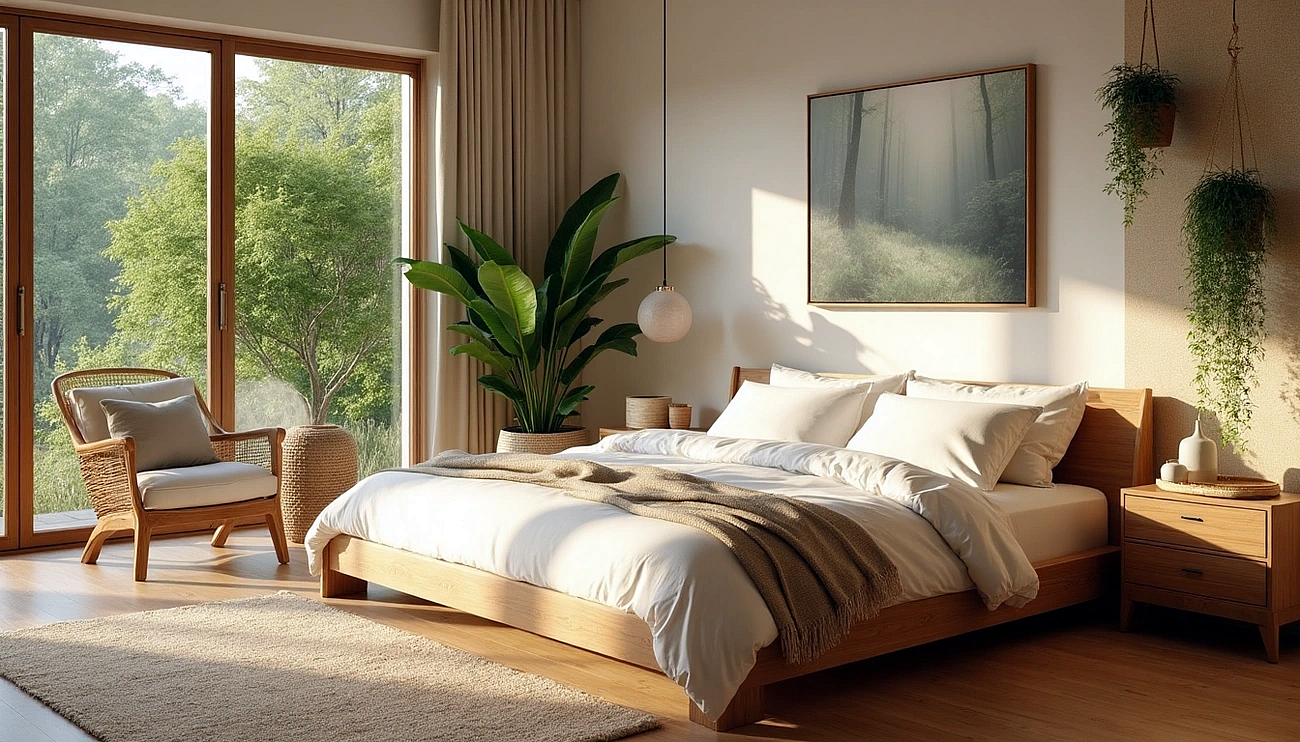
Pictured: Biophillic bedroom interior design concept, low wooden bed frame.
Natural light deserves special attention in your biophilic bedroom. Keep your windows sparkling clean and unobstructed. Here’s a simple trick that works brilliantly: place mirrors opposite windows to double the amount of light bouncing around your room. Need privacy but don’t want to sacrifice brightness? Sheer curtains or light-filtering blinds are your answer.
Colour choices can make or break your natural sanctuary. Soft beiges, earthy greens, and warm browns create the most soothing atmosphere. These aren’t random choices – they mirror elements from nature itself: the tranquility of green plants, the grounding quality of rich soil, and the comforting warmth of terracotta.
Complete your biophilic design with natural textures. Jute rugs underfoot, wooden accents on walls, or woven baskets for storage all add those finishing touches that make your bedroom feel truly connected to the natural world.
Designing for the senses and better sleep
Your bedroom needs to speak to every one of your senses if you want truly restorative sleep. Think of it as creating a multi-sensory retreat where each element works together to signal your body it’s time to rest.
Start with what you can touch. Velvet upholstery, chunky knit throws, and waffled cotton bedding all add comforting layers that genuinely lower stress levels. Don’t underestimate the power of an upholstered headboard or a cosy armchair – these tactile elements make your bedroom feel like a sanctuary, not just a place to crash.
What you see matters just as much. Choose nature-inspired artwork with care – position calming landscapes or botanical prints where they won’t overstimulate your mind when you’re trying to drift off. Neutral colours with varying textures create depth without overwhelming your senses. The key is soothing, not boring.
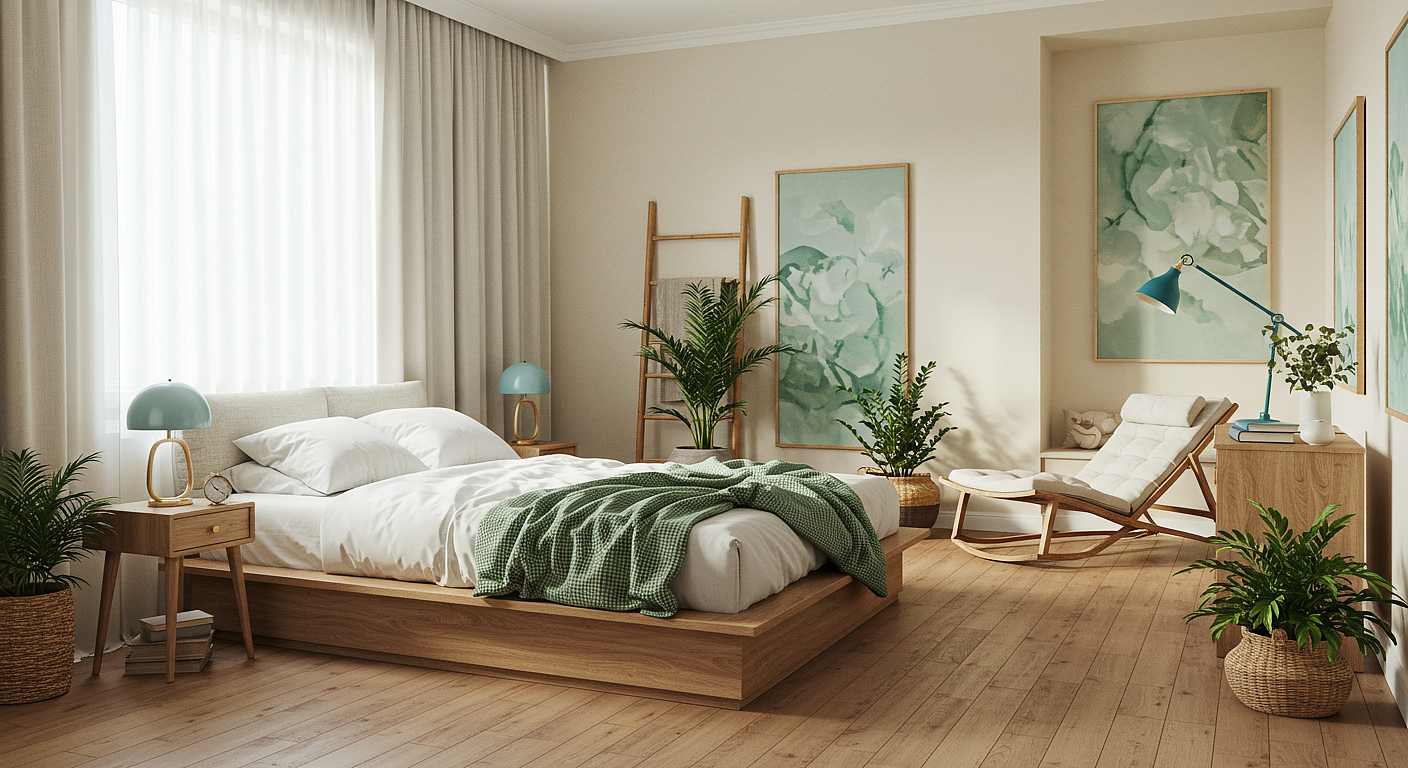
Image credit Bedstar: Neutral bedroom décor with wooden storage bed.
Sound can make or break your sleep quality. Nature sounds work directly on the part of your brain controlling fight-or-flight responses, promoting genuine relaxation. Try ocean recordings, gentle rainfall, or forest ambience to improve both sleep depth and quality. Your brain will thank you.
Never overlook the power of scent. Lavender essential oil increases slow-wave sleep, whilst chamomile tackles the anxiety that keeps you tossing and turning. Cedarwood contains cedrol, a natural compound with sedative effects that may boost your total sleep time.
Complete your sensory sanctuary with some digital discipline. Replace your phone with a proper alarm clock and invest in blackout curtains to muffle street noise whilst blocking unwanted light. When every sense in your bedroom supports rest, your body’s natural ability to sleep deeply gets the boost it deserves.
Your sleep sanctuary awaits
Bringing biophilic design into your bedroom delivers far more than just good looks. Natural elements work with your body’s rhythms to create an environment that truly supports restorative sleep. Nature-inspired bedrooms reduce stress levels, help regulate sleep cycles, and boost overall wellbeing.
The beauty of biophilic design? It’s completely accessible. Whether you start small with a few plants and natural textiles or go all-out with sustainable wooden furniture and nature-inspired colours, each addition makes a meaningful difference to your sleep sanctuary. The multisensory approach ensures your entire body gets the message that it’s time to rest deeply.
Your bedroom is your most personal space—your refuge from daily pressures. Designing it thoughtfully with biophilic principles just makes sense. The science is clear: humans function better when connected to nature. Modern life might separate us from natural environments, but biophilic design bridges that gap beautifully.
Tonight, take a fresh look at your bedroom. Perhaps swap synthetic bedding for organic cotton sheets, pop a peace lily on your bedside table, or simply open your curtains to welcome morning light. These small changes can yield remarkable results. Quality sleep forms the foundation of good health, and your bedroom environment plays a crucial role in achieving it.
Biophilic design recognises our fundamental need for nature and turns it into practical design choices. When you embrace this powerful connection between nature and wellbeing, your bedroom becomes more than just a place to sleep—it becomes a restorative sanctuary that works with your body’s natural needs.
Don’t forget, creating your perfect sleep environment doesn’t happen overnight. Start with one or two elements that speak to you, and build from there. Your future well-rested self will thank you for it.
Key Takeaways
Transform your bedroom into a natural sanctuary that works with your body’s rhythms to improve sleep quality and overall wellbeing through biophilic design principles.
- Natural elements reduce stress by 92% – People with access to green spaces are significantly more likely to sleep well, whilst wooden furniture lowers blood pressure.
- Plants purify air and boost mood – Snake plants release oxygen at night, peace lilies remove toxins, and negative ions from plants trigger serotonin release.
- Engage all five senses for better sleep – Use natural textures, nature sounds, lavender scents, and soft lighting to create a multi-sensory retreat.
- Start small for big impact – Replace synthetic bedding with organic cotton, add a bedside plant, or maximise natural light through clean windows and mirrors.
- Design works with biology, not against it – Biophilic elements regulate your internal body clock and support your body’s natural ability to rest deeply.
The science is clear: humans have an innate connection to nature that, when honoured through thoughtful bedroom design, creates a powerful foundation for restorative sleep and improved health.
FAQs
Q1. What is biophilic design and how can it improve sleep?
Biophilic design incorporates natural elements into interior spaces, such as plants, natural light, and nature-inspired colours. It can improve sleep by reducing stress, regulating sleep cycles, and creating a more relaxing bedroom environment.
Q2. Which plants are best for improving air quality in the bedroom?
Peace lilies, snake plants, and aloe vera are excellent choices for bedrooms. Peace lilies absorb airborne toxins, snake plants release oxygen at night, and aloe vera removes chemicals found in household detergents.
Q3. How can I incorporate natural light into my bedroom design?
To maximise natural light, keep windows clean and unobstructed. You can also place mirrors opposite windows to reflect more light around the room. For privacy without sacrificing brightness, consider using sheer curtains or light-filtering blinds.
Q4. What natural materials are recommended for bedroom furniture and bedding?
Opt for furniture made from sustainably sourced wood like beech or oak. For bedding, choose natural fabrics such as organic cotton, linen, and wool. These materials not only add warmth but also promote a healthier indoor environment.
Q5. How can I create a multi-sensory sleep environment using biophilic design?
Engage all senses by using soft, natural fabrics for tactile comfort, displaying calming nature-inspired artwork, playing nature sounds like gentle rainfall, using essential oils like lavender for scent, and incorporating soothing, nature-inspired colours in your decor.
Thank you for reading.







