Pests are more than a seasonal annoyance. They can disrupt comfort, compromise cleanliness, and in some cases, affect your health. From ants in the kitchen to rodents in the walls, unwanted visitors often settle in quietly—and multiply quickly.
The good news? Preventing infestations doesn’t require extreme measures or complicated routines. In most homes, small daily habits make the biggest impact. With a few practical adjustments and consistent upkeep, homeowners can significantly reduce the risk of pest problems. Here’s how to build simple routines that help keep your home protected year-round.
Start With the Kitchen: Eliminate Food Sources
The kitchen is one of the most attractive areas for pests. It provides warmth, moisture, and easy access to food. Keeping this space clean and controlled is one of the most effective ways to prevent pest infestation issues before they begin.
Keep Surfaces Clean Daily
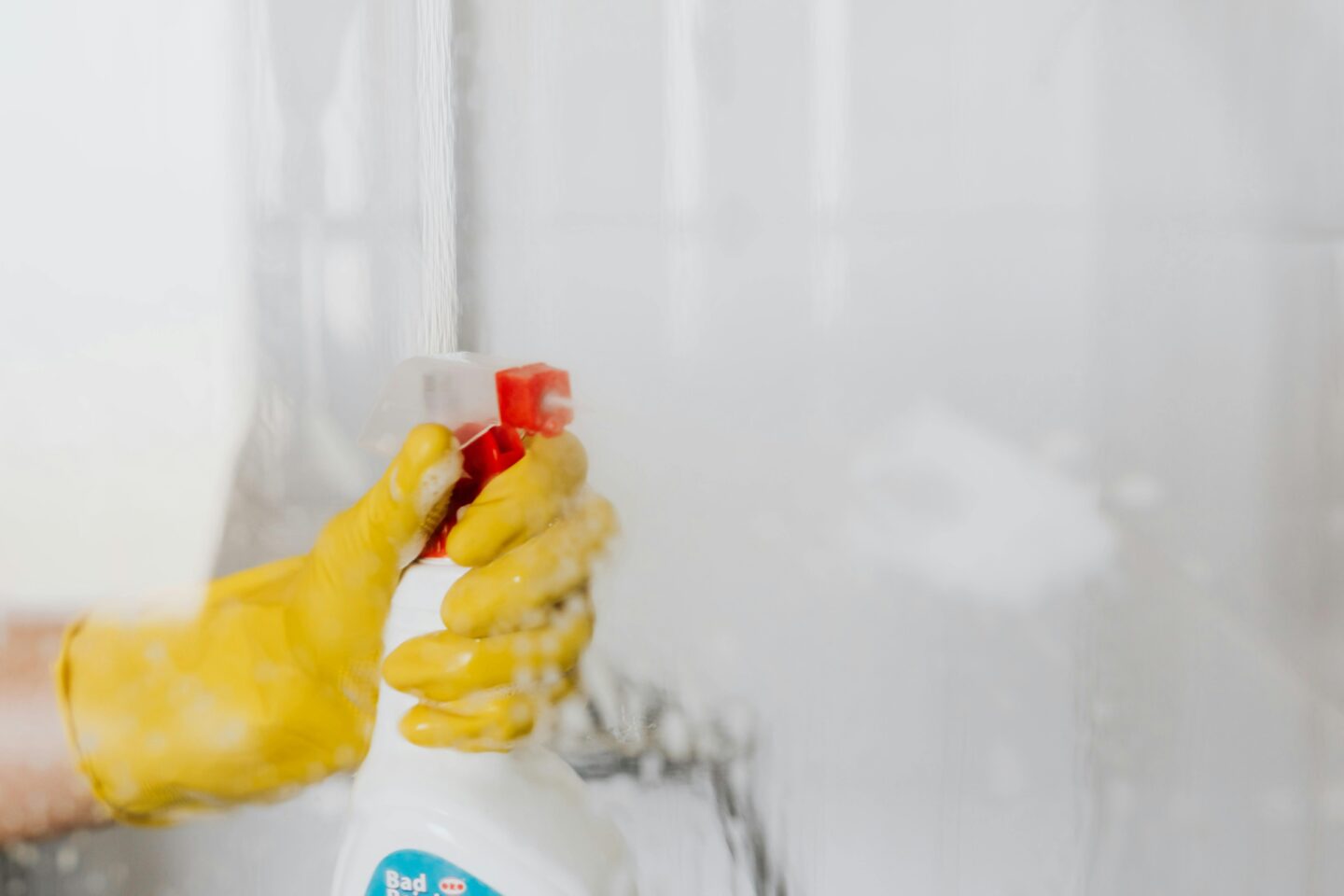
Wipe down countertops, stovetops, and dining tables after every meal. Even small crumbs can attract ants and other insects. Don’t forget less visible areas like under appliances, inside drawers, and beneath cabinets, which often collect debris over time. Sweeping floors and promptly cleaning spills removes the scent trails that many pests rely on to locate food.
Store Food Properly
Dry goods such as flour, cereal, rice, and pet food should be stored in airtight containers. Thin packaging can be easily chewed through by rodents or insects. Avoid leaving pet food bowls out overnight. Even a small amount of exposed food can invite unwanted activity.
Take Out the Trash Regularly
Garbage should be sealed tightly and taken out frequently, especially during warmer months. For trash bins themselves, wash them weekly to prevent odor buildup. Maintaining these kitchen habits greatly reduces the likelihood that pests will see your home as a reliable food source.
Seal the Gaps: Block Entry Points
Even the cleanest home can experience issues if pests can easily get inside. Small cracks and openings around the exterior create convenient entry points.
- Inspect Doors and Windows: Check weather stripping around doors for gaps or wear. Replace damaged seals promptly. Torn window screens should also be repaired to prevent insects from entering while allowing fresh air inside.
- Seal Cracks and Crevices: Inspect areas around baseboards, plumbing lines, vents, and the home’s foundation. Small cracks can be sealed with appropriate caulking or weather-resistant sealants. Rodents can squeeze through surprisingly narrow spaces. Addressing these openings early reduces the risk of larger problems later.
- Garages are often overlooked: Keep doors closed when not in use and store boxes off the floor to limit hiding spots. Cluttered garages provide easy shelter for pests seeking warmth. By physically blocking access, you make your home far less inviting.
Manage Moisture: Remove Water Sources
Like food, water is essential for pest survival. Excess moisture inside or around the home creates ideal breeding conditions.
Fix Leaks Promptly
Check under sinks and behind appliances for slow leaks. Repair dripping faucets and damaged pipes as soon as they’re noticed. Even small amounts of standing water can attract insects.
Improve Ventilation
Use exhaust fans in bathrooms and kitchens to reduce humidity levels.
Basements and crawl spaces may benefit from dehumidifiers, especially in damp climates. The Environmental Protection Agency notes that controlling moisture is a key component of effective integrated pest management, as many pests thrive in humid conditions.¹
Maintain Gutters and Drainage
Clogged gutters allow water to collect near the home’s foundation. Ensure downspouts direct water away from the structure and clear debris regularly. Managing moisture not only deters pests but also protects the structural integrity of your home.

Maintain Your Yard: Prevention Starts Outside
Prevention doesn’t stop at the front door. Outdoor maintenance plays a major role in keeping pests from getting close to your home in the first place.
- Trim Landscaping: Keep shrubs and tree branches trimmed back from exterior walls. Plants that touch the home can create bridges for insects and rodents.
- Clear Debris: Leaf piles, stacked wood, and yard clutter provide ideal hiding spots. Store firewood several feet away from the home and elevate it off the ground.
- Eliminate Standing Water: This includes empty containers that collect rainwater, such as planters. You can also improve lawn drainage to prevent pooling.
Being proactive with pest control always proves more effective than waiting for a visible infestation.
Declutter and Clean Regularly
Inside the home, clutter creates a hidden shelter where pests can nest undisturbed.
Reduce Hiding Spots
Organize storage areas and avoid stacking cardboard boxes directly on floors. Plastic storage bins with sealed lids provide better protection and visibility. Closets, attics, and basements should be reviewed periodically to prevent unnoticed buildup.
Vacuum and Dust Frequently
Vacuum corners, under furniture, and along baseboards.
Dust accumulation and debris can serve as food sources for certain insects. Routine cleaning disrupts nesting areas and helps detect early warning signs.
Know the Warning Signs
Even with consistent prevention, it’s important to stay alert for indicators of activity.
Common Indicators of Pest Activity
- Droppings or unusual odors
- Chewed materials or damaged food packaging
- Scratching or movement sounds in the walls
Addressing these signs early helps prevent a minor issue from escalating.
When to Seek Professional Help
If problems persist despite preventative habits or if there are signs of structural damage, professional pest control may be necessary. Rapidly increasing activity often signals a deeper issue that requires targeted treatment. In some cases, ongoing support provides reassurance and long-term protection, particularly in regions prone to seasonal infestations.
Small Habits, Lasting Protection
Consistency is what ultimately makes the difference. Small daily habits create layers of protection that safeguard your home. A pest-free home isn’t achieved through drastic measures. It’s built through steady, proactive care that protects your health, your property, and your peace.
Thank you for reading.
Note: Sponsored Post