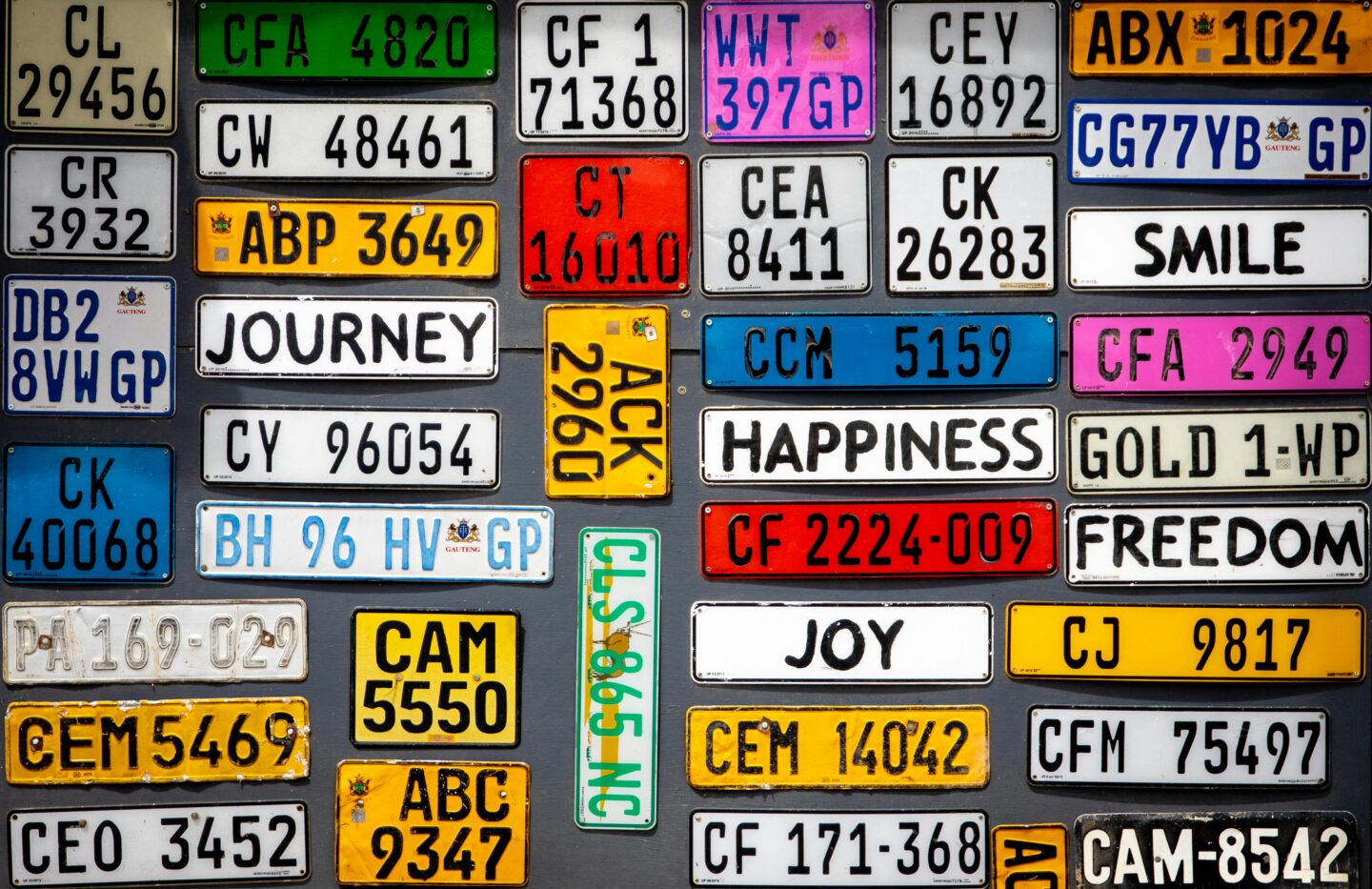
Take a walk through any high-end car park, and you will see them—those incredibly short number plates that read one letter and then a number. They appear plain and uncomplicated. But anyone who understands private plates knows their significance. Therefore, they are the rarest registrations throughout the UK, and with their limited nature, they are the most sought-after plates for people with money to buy.
They Are in Limited Supply
Single letter plates are few and far between. In fact, at the onset of the registration systems first established in 1903, these were among the first plates put out. They are as simple as one letter followed by a number (1-9999). That’s all. No other letters attached, no means to ascertain age—nothing.
But therein lies the problem—only 26 letters exist. And even though numbers go up to 9999, single letters max out at approximately 260,000 availability among private plates. Relative to modern methods, this is nothing. For example, the new registration formats produce millions. This means single letter plates have been held by owners/families for decades—making them almost impossible to get.
What They Cost
This price is where one’s jaw drops to the floor. Single letter plates buy for more than most people’s houses. The barrier to entry alone disqualifies the average buyer. In addition, private plates holding single letter combinations with desired letters pay exponentially more.
The highest costs of private plates ever sold in the UK included single letter registrars. Looking at records of the UKs most valuable Private Plates, you’ll see single letter combinations dominating the top spots with sale prices that rival luxury properties. For example, “25 O” and “1 F” have sold at auctions for astronomical costs.
They are not impulse buys. Buyers who spend this much generally fall into three categories: serious collections building plate portfolios, ultra-high-net-worth individuals seeking the ultimate status symbol, or businesses looking for the most exclusive branding of their company vehicles.
More Is Not Worth Less
Not every letter holds the same value. Private plates in the single-letter department hold more value when their letters are complimentary as initials or spell something. Moreover, letters that represent things often hold extra value. For example, “S” is incredibly sought after because it’s both a common initial and can signify either “success” or many company names; “F” is favorable for well-known reasons while “P” and “R” yield good selling prices.
But when low numbers attach to the letters, this takes it even higher. To say “S 1” or “P 1” is the ultimate limit buyers seek out in terms of value are rarely found as these owners know their worth once they’re in possession of them.
Secondly, single letter plates look simpler; they look cleaner and present better than longer registrars. On a high-end vehicle, they’re ostentatious enough without being gaudy; they come across as understated—if people know what they’re looking at; otherwise, they might not even pay attention.
Investment Possibility
Some buyers buy these solely for investment opportunities instead of personability. This argument stands true. Unlike vehicles which depreciate, these do not. Also, these do not have any means to replicate or rerelease. As more physical plates get absorbed into people’s possession over years—a vast majority disappear—the supply grows lower of what’s available on the market.
Historical evidence suggests that rare plates have appreciated over the past few decades steadily—they grow further away from buyers’ initial purchases—making them slightly better returns on investment than traditional avenues. However, no guarantee of prior performance assures future success.
However, liquidity remains difficult. Unless someone buys within the wealthy confines of this end of the market potential buyers surge for expected sales—which fail to emerge due to limited distribution networks in which small, niche buyers exist who need not spend all the money on market value if they don’t want to.

The Reality of Ownership
If buyers decide they want to enter this world of exclusivity for private registrations, ownership means joining the ranks of collectors and like-minded enthusiasts who appreciate such registrars. These do get noticed; other drivers know what registrars are on people’s vehicles; some owners enjoy that recognition while others prefer a staunch quietness about the status it confers.
Maintenance and transfers occur regularly so buyers must pay attention—retention certificates through DVLA ensure possession; however, transfers between vehicles or retention must happen consistently to legitimize the holders’ rights for ownership—the last thing anyone wants is to lose ownership of a single letter plate due to inattention.
Insurance becomes a factor. Some owners insure their plates beyond standard insurance policies for replacement value should they become stolen or damaged; it’s worth it should theft occur to have this extra protection of value rather than risk being out of a plate worth thousands at least.
Market Viability
The question remains whether demand will ever decline over time; thus far, it does not appear it will. No such plates will be made again so since there is a fixed number over time as wealth consolidates among collectors and enthusiasts, people fight harder for those that become available.
Every sale sets new thresholds while record prices continue being beaten left and right.
At no point will the plates be less rare since no one can ever recreate them out of age and style—as more and more newer registrations fail to render such possibilities as all-time low numbers can never find open appeal and distinction or power gained from established age holders similar to single letter plates.
Most drivers will never possess them, but knowing their value helps understand why combined private registrations appeal overall but why certain ones—and others like it—sell for so much.
Thank you for reading.







