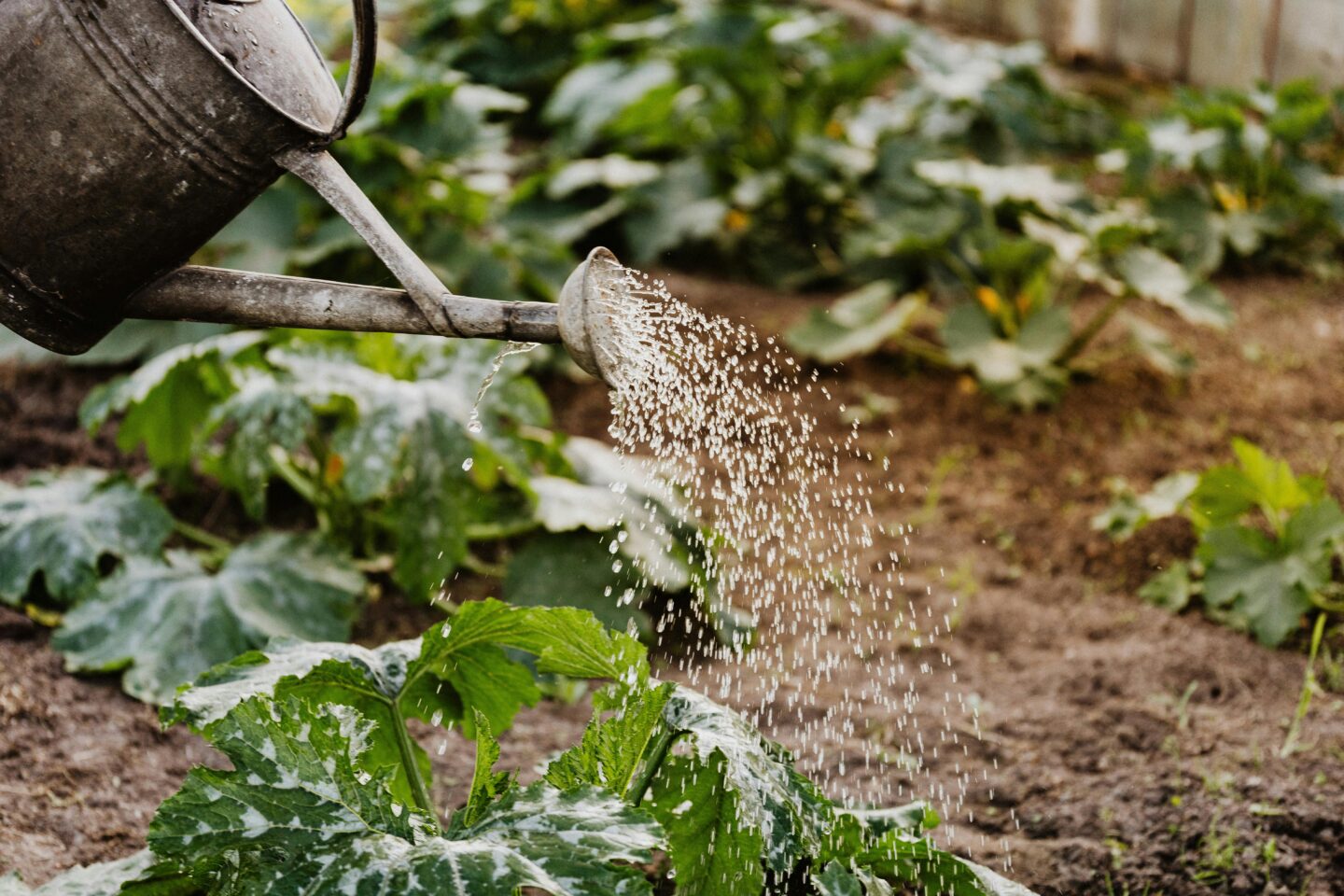
Parks, community gardens, tree-lined sidewalks, and even small backyard yards play a major role in making neighborhoods healthier, more liveable, and more sustainable. These spaces help cool cities, improve air quality, support wildlife, and provide residents with places to gather and recharge. However, green spaces can also create ideal environments for pests.
Mosquitoes thrive in shaded areas with standing water. Ticks hide in tall grass and brush. Rodents seek shelter in overgrown areas and poorly managed waste zones.
Without proper maintenance and prevention strategies, pests can reduce the comfort and safety of outdoor spaces that communities rely on. This is where pest control becomes an important part of sustainable urban living. When approached responsibly, pest management helps protect public health, preserve green space ecosystems, and encourage outdoor activity.
Why urban green spaces matter
Environmental benefits
Green spaces offer critical environmental benefits, especially in densely populated areas where concrete and asphalt dominate. Trees and plants help filter pollutants from the air, improving overall air quality. They also reduce the urban heat island effect by providing shade and cooling surrounding areas through natural evaporation.
Urban greenery supports biodiversity by providing habitat for birds, pollinators, and beneficial insects. Even small gardens can contribute to healthier ecosystems by supporting native plant species and encouraging balanced wildlife populations.
Green spaces also improve stormwater management. Soil and plant roots absorb rainfall, reducing runoff that can overwhelm drainage systems and carry pollutants into waterways.
Social and health benefits
Urban green spaces are equally valuable for community wellbeing. They provide places for residents to exercise, socialize, and relax. Access to parks and outdoor areas has been linked to improved mental health, reduced stress, and stronger neighborhood connections.
Community gardens encourage local food production and strengthen social ties. Outdoor spaces also support children’s play and family recreation, making neighborhoods feel more vibrant and connected.
When green spaces are clean and safe, they encourage more consistent outdoor activity, which supports public health at the community level.
Challenges for maintenance
Despite their value, urban green spaces require ongoing maintenance. Without consistent care, these areas can become breeding grounds for pests that affect both safety and comfort.
Common pests such as mosquitoes, ticks, and rodents can discourage people from using outdoor spaces. Overgrown vegetation, unmanaged waste, and standing water increase pest pressure and create conditions that are difficult to control once populations rise. Urban green spaces must be protected from pollution and neglect, but also from pest disruptions.
Common urban pests and their impact
Mosquitoes and ticks
Mosquitoes are one of the most common pests in urban environments. They thrive in standing water sources such as clogged drains, puddles, neglected fountains, and even small containers left outside. Mosquito bites can make outdoor spaces uncomfortable, but they also raise health concerns due to the potential spread of disease.
Ticks are another growing concern, especially in areas with tall grass, wooded edges, or unmanaged brush. They can attach to humans and pets and pose health risks that may discourage families from spending time outdoors.
When mosquitoes and ticks become widespread, they reduce the usability of parks and outdoor gathering spaces, limiting the benefits those green spaces are meant to provide.
Rodents and other insects
Rodents such as rats and mice often thrive in cities due to easy access to food waste and shelter. Parks, alleyways, and community gardens can attract rodents when trash is not managed properly or when overgrown vegetation provides hiding places.
Rodents can damage plants, chew through structures, and create sanitation concerns. Their presence also increases the likelihood of other pests, such as fleas and flies. Other insects, including ants and invasive species, can disrupt garden ecosystems and cause damage to landscaping. In community gardens, pests may reduce crop yields and discourage participation.
Ecological imbalance
Pest issues often reflect broader ecological imbalances. When pests are left unchecked, they can overwhelm ecosystems and disrupt biodiversity.
For example, in a subtropical area like Raleigh, high mosquito populations can affect outdoor wildlife behavior, while rodent infestations can reduce plant health and spread disease. Urban ecosystems require balance. Getting the best pest control Raleigh, NC, helps restore that balance without relying on harmful chemicals.
How pest control supports healthy neighborhoods
Protecting human health
One of the most important roles of pest control is reducing exposure to pest-borne illnesses. Mosquitoes and ticks are associated with disease transmission, and rodent infestations can contribute to contamination and sanitation problems.
When pest populations are managed responsibly, communities experience fewer bites, lower risk of exposure, and safer outdoor spaces for children, adults, and pets. Pest control supports public health by reducing risk factors before they become widespread problems.
Supporting sustainable green spaces
Urban green spaces thrive when ecosystems remain stable. Pest control helps protect plants, gardens, and landscaping from damage that can lead to long-term deterioration.
For example, controlling invasive pests prevents the destruction of trees and plant beds. Managing rodents helps preserve community garden structures and keeps soil conditions healthier. Sustainable pest management ensures that green spaces remain usable and environmentally beneficial rather than becoming neglected or damaged.
Encouraging outdoor activities
Green spaces only benefit communities when people feel comfortable using them. High pest activity discourages outdoor recreation, social gatherings, and physical activity. If parks feel unsafe or unpleasant, residents are less likely to take advantage of them.
Effective pest control supports higher park usage, increased community engagement, and more outdoor activity, all of which contribute to healthier neighborhoods.

Sustainable approaches to pest management
Integrated pest management (IPM)
Integrated Pest Management (IPM) is one of the most sustainable strategies for pest control. Rather than relying on routine chemical spraying, IPM focuses on prevention and targeted interventions. Key IPM practices include:
- Monitoring pest activity and identifying problem areas
- Eliminating breeding habitats, such as standing water
- Modifying landscaping to reduce shelter zones
- Using treatments only when necessary, and in targeted locations
This approach minimizes environmental impact while maintaining effective pest control.
Eco-friendly treatments
Sustainable pest control also involves using treatments that reduce harm to non-target species. This includes methods that avoid broad chemical application and prioritize targeted solutions. Eco-friendly approaches often focus on:
- Treating specific high-risk zones rather than entire areas
- Timing treatments to avoid pollinator activity
- Using low-impact repellents or deterrents when possible
These strategies help protect bees, butterflies, and other beneficial insects while still addressing pest concerns.
Homeowner practices
Homeowners and residents can also contribute to pest reduction through simple habits, including:
- Removing standing water from yards and containers
- Maintaining healthy vegetation and trimming overgrowth
- Disposing of trash properly to reduce rodent attraction
- Keeping compost piles managed and covered
These actions reduce pest breeding conditions and support healthier urban ecosystems. When residents need additional support, working with professionals (search pest control near me) can help address pest issues in a way that aligns with environmental responsibility.
Shared responsibility for healthier urban ecosystems
Pest management is rarely effective when approached by alone. Urban environments are interconnected, and pests move easily between yards, parks, and shared spaces. That is why community involvement is essential. Neighborhoods can support pest prevention by:
- Encouraging clean parks and proper waste disposal
- Supporting local green space maintenance programs
- Promoting awareness of standing water risks
- Coordinating prevention efforts in shared areas
Collective action reduces pest pressure across entire neighborhoods and helps protect green spaces long-term. When communities take responsibility together, pest control becomes more effective and less dependent on aggressive chemical solutions.
Healthier green spaces support healthier urban life
Urban green spaces are essential to sustainable living. They improve air quality, reduce heat, support biodiversity, and strengthen community wellbeing. But without proper maintenance, these spaces can also attract pests that reduce safety and comfort. By adopting eco-conscious pest practices at both the homeowner and community level, cities can create outdoor environments where people feel safe, comfortable, and connected to nature.
Thank you for reading.
Note: Sponsored Post